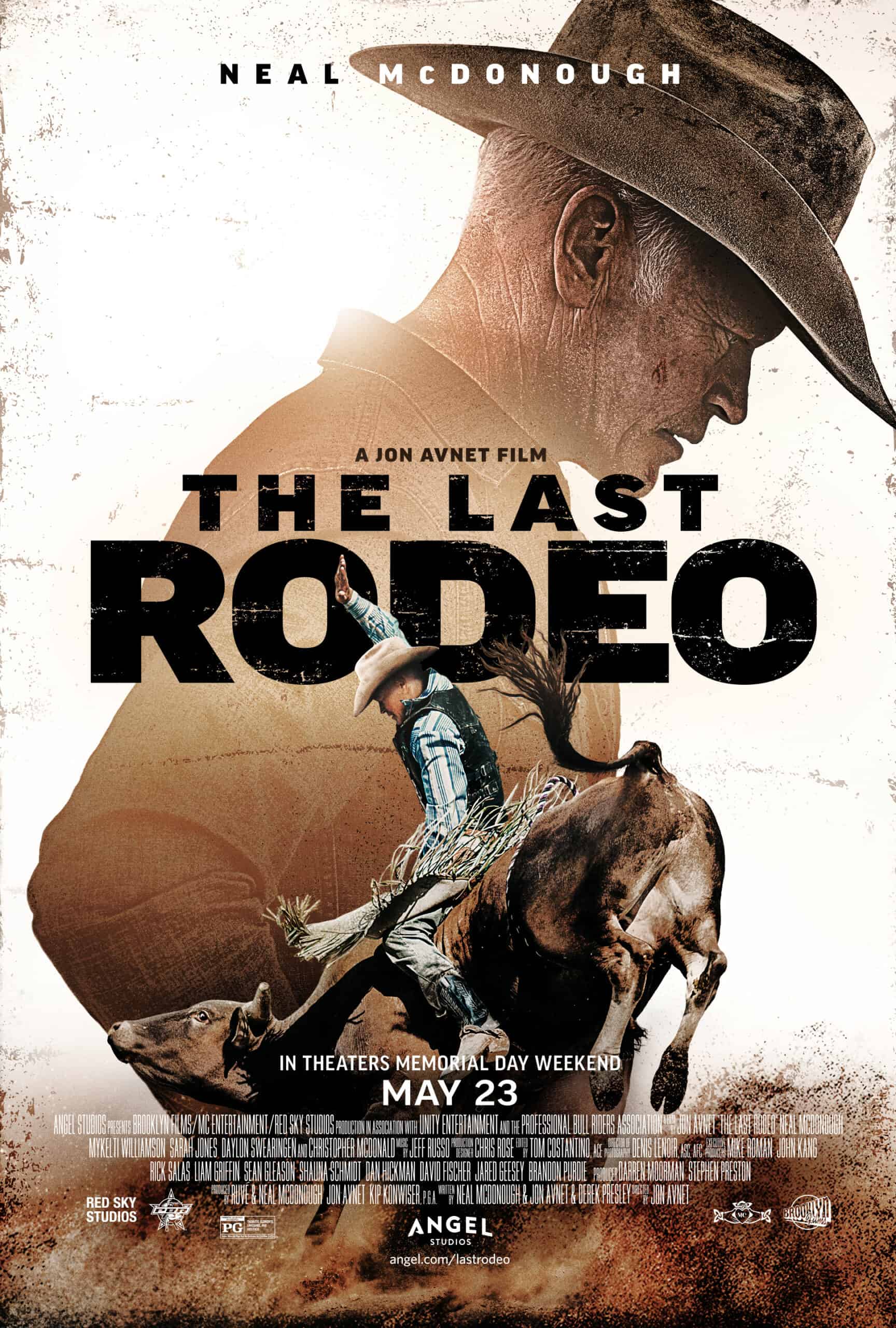
Neal McDonough co-writes and stars in The Last Rodeo, co-written and directed by Jon Avnet. When retired bull rider Joe Wainright (McDonough) learns his grandson is in a medical crisis, he returns to the competition with the help of his long time friend Charlie Williams (Mykelti Williamson).
Black Girl Nerds had the opportunity to converse with Mykelti Williamson about his role in the film. This interview has been edited for time and clarity.
My first question for you is, why this role? Is it because of connections with the lead or the director? Is it because of the film’s connection to faith?
All of the above. I would say, the thing that was most interesting to me is the timing. Neal called me when he first was given the vision for this film. He said, “I know it sounds like I’m all over the place, but this is what I just got. You’re coming with me. I’m not doing this without you.” I said, “You don’t have to.” We got Jon Avnet [to direct], Neal ran Jon down.
I’m working with the best people I love doing something I love. You know a lot of people get it mixed up. This is not a faith-based movie. It’s a really good movie about a guy who made some really bad decisions. He navigates this journey in his life when he’s facing the biggest crisis in his life. It’s his faith that you get to watch. It’s not preaching to you about anything. It’s not that kind of movie, you know. We don’t even go to church in the movie.
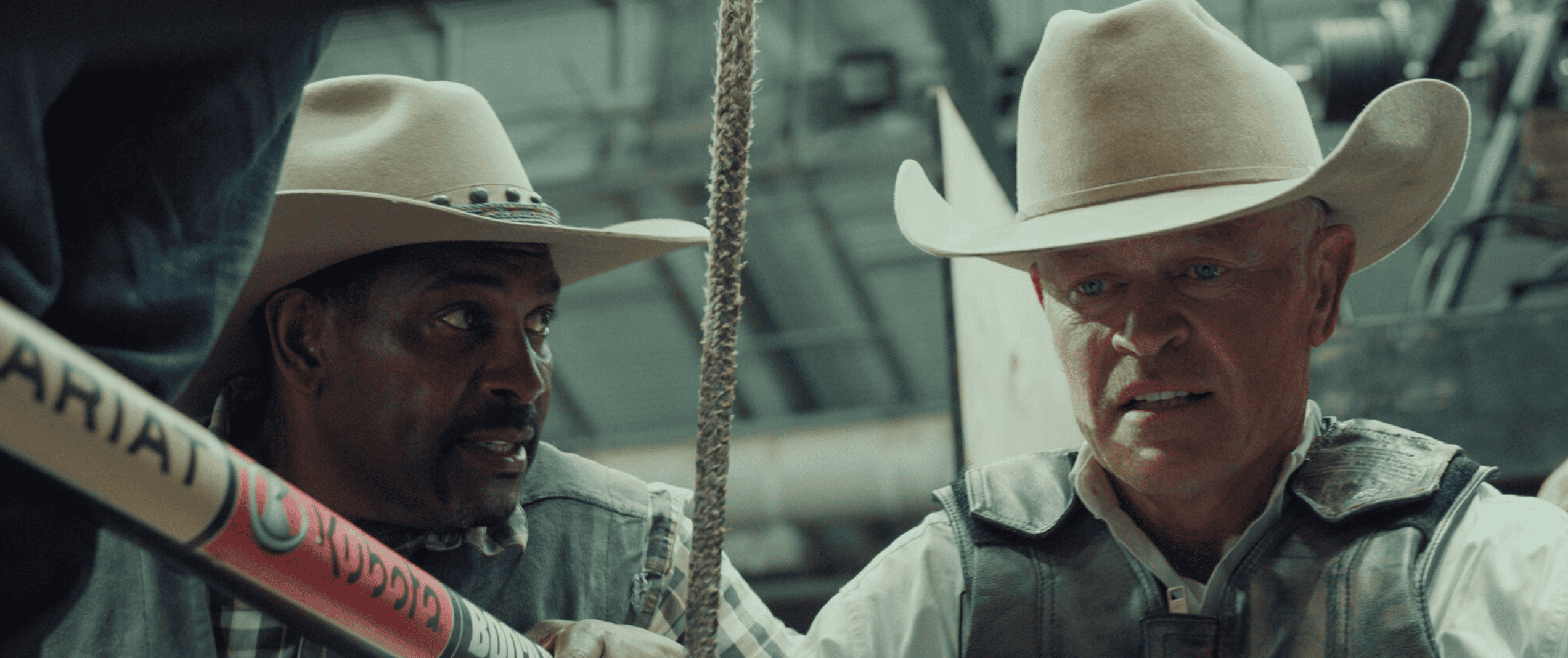
This role connects with other roles in your career in how it portrays interracial male friendships. What stands out to you in this film about Joe and Charlie’s friendship? Is there anything you want people to inquire about their friendship?
Well, I hope they come to know what I know: that we are all kindred spirits. And everybody actually comes from Africa.
When people start buying into politics and culture and being micro specific about a religion being better than another, or lifestyle being better than another, I think it’s a wall. It’s a means to fight. And if you just go on a human journey and don’t paint with that brush with all that nonsense in it, then people show up. They enjoy the journey you take them on because you’re treating everybody around you like human beings, even if they tick you off. You know you still treat them with dignity. I think African American people, African people, are extremely dignified and extremely forgiving. Who else could have been taken such advantage of if you didn’t have a heart to forgive?
Saddle up, man. Let’s ride together, and we’ll get a whole lot more done. That’s the kind of message I want people to get when they see my work on screen. I do feel like this is my ministry.
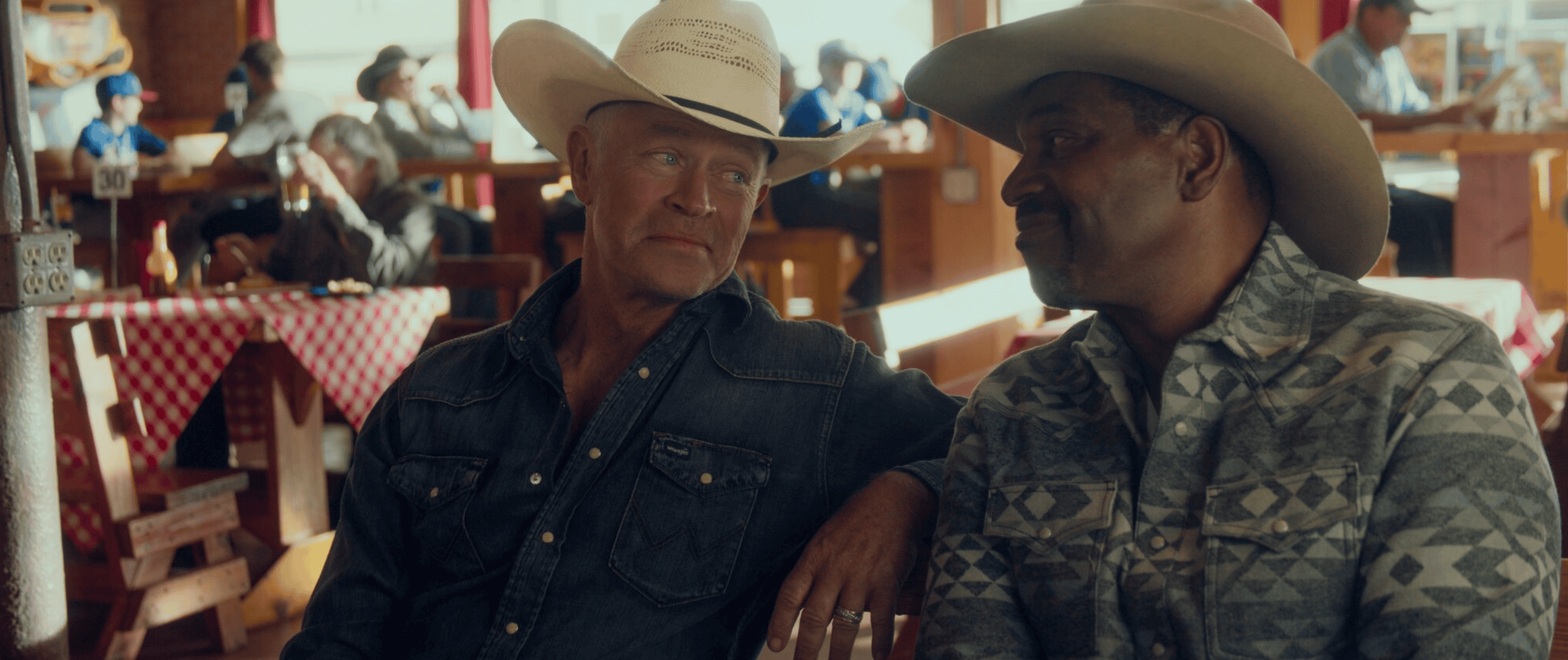
Speaking of that ministry, there is a lot being told about the context of male friendships in The Last Rodeo, especially when it comes to a lot of pressure on men and their health and overextending themselves in the course of their health. How does this film help you reflect on your own male friendships or reflect on making sure you’re taking care of your health?
Fortunately, I have a great wife. I actually married my dream girl, so Sandra helps me prepare for movies. I don’t travel without my wife. We just navigate everything together. I think when a man does not have that, there’s definitely a component missing.
There are things that men, and only men, do well. And there are some things that men, and only men, do poorly. [My character] Charlie is a Bible guy, but he’s not necessarily in church. He’s leaning back on a saddle or sitting on a porch reading [and is supported by his Native American wife, Agisa, played by Irene Bedard]. Joe tries to [do everything] himself because he’s so angry with God because he lost his dream girl [played by Ruve’ McDonough]. He goes into such dark, deep despair that it becomes selfish. Joe turns his back on everybody except his grandson, but he’s not a full-time granddad there, either, because he makes some mistakes in that relationship.
Was the ministry you have now always throughout your film career? Is this a recent development? What final takeaways would you like folks to have from this interview?

It’s been over my entire career from early choices and on. All your ministry is important, whatever it is. Maybe it’s taking care of your children, you know. Stay home, Dad, or stay home, Mom, and you work it out. But that’s your ministry. You give it everything you got, and that’s the way I live with this. I give it everything I’ve got.
I don’t look to people to affirm me, sure, God affirms me, but people validate what God has already affirmed in me. They’ll validate it, they’ll go, “Oh, I saw this. I saw that. I think this. I think that.” This validates what you gave me, all right, good, you know? And that’s how I roll.
Advice, first thing: Save your money. Learn how to invest your money, really learn. Take the time and start small. Save your money, learn to invest your money wisely.
And don’t diminish. People, don’t choose a side. Stay on the human side. Don’t diminish people with your art, with your creativity, with your sciences, with whatever it is you do. If you don’t diminish anybody, everybody’s going to find you because you’re going to make people better. You’re going to make them want to feel better and make them want to do better. You’re going to inspire. Just stay authentic.
When audiences see movies and the actors and the people did it for themselves because they’re so self-absorbed. Let’s make a movie about us. Audiences can tell. When we make a movie about you guys, about audiences, and we take people on a real human journey about real people, man, you guys ride with us every time.
The Last Rodeo will be released in theaters May 23, 2025, over Memorial Day weekend.