Beginning in 2019, Kenyan filmmaker Zippy Kimundu (Our Land, Our Freedom) documented one woman’s mission to help other women in a highly patriarchal community that resists breaking from tradition, no matter how dehumanizing. Produced by Heather Courtney (Where Soldiers Come From), Widow Champion tells a story of perseverance and strength and shines a light on a painful reality that many people all over the world likely don’t even know about.
Set in rural Kenya, the documentary follows Rodah Nafula Wekesa, a mother of five who lost their home after her husband passed away 15 years ago. With the help of community-based mediation, she was able to regain ownership of her land. This process inspired her to become a widow champion, acting as a mediator, mentor, therapist, and sister to other widows who have been subjected to this treatment. If the women are not “inherited” by their late spouse’s brothers as a co-wife, they’re kicked off the land and forced to live destitute in inhumane conditions with their children.
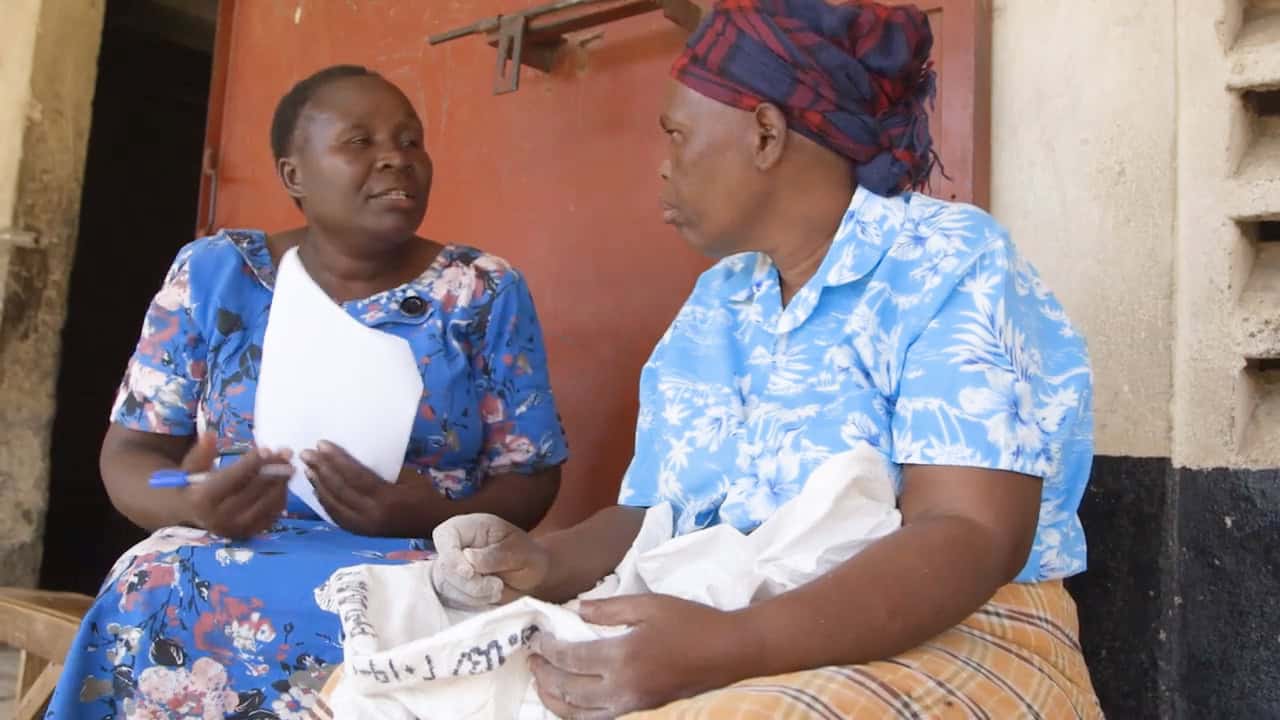
In addition to updates on Rodah’s case, the film largely focuses on the cases of two other women. Over four years, Kimundu follows Rodah’s work with Mary Atieno Ragen as she tries to convince her brother-in-law and then her nephew to allow her back on the land to rebuild her house. We also meet Theresa Atieno Chacha, whose stubborn brother-in-law forced her away because he blames her HIV diagnosis for the death of his brother. Not having land isn’t only about providing shelter for a widow and her children. Land is needed to earn a living through rice planting and harvesting.
Rodah and the Luo Council of Elders conduct the mediations not in a stuffy office or courtroom but outside in the open. There’s no jury or spectators, only the feuding family members speaking their piece, providing (or sometimes not providing) evidence of who owns what and identifying the source of the divide between them. While the Elders don’t have legal authority to make the men act like decent human beings and not greedy misogynists, shaming of the men’s behavior seems enough to change their minds (at least, publicly).
These mediations are about restoring peace within the family enough that the widow is allowed to live on their property. Through a Western lens, these agreements are not what most would consider justice; widows are still seen as less than, even if their in-laws have agreed to let them return. Both sides are treated with respect, and even though the process is essentially instigated by the widow, their tactics are to gently convince the in-laws to let go of whatever ire they feel.
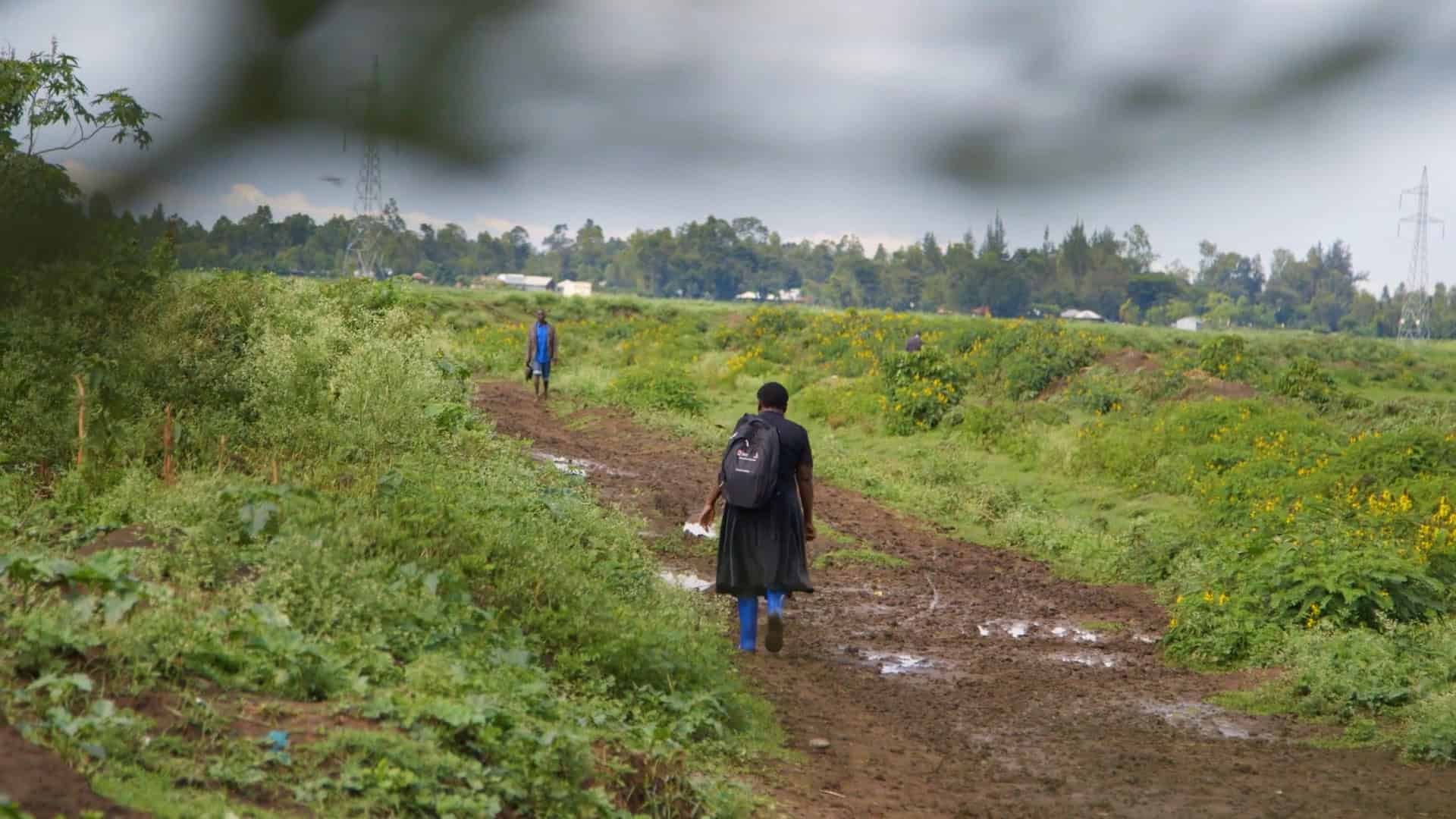
The goal is to resolve the conflict with reconciliation and cooperation. No matter how infuriating it is to watch women have to humiliate themselves and face unreasonable in-laws, seeing the complicated situations from Rodah’s point of view shows us how someone who is a part of that culture can acknowledge tradition and limitations while also challenging them.
When she’s not attending mediations, caring for her children, or on her long journeys to meet with new widows, Rodah leads a self-help group, educating women on what to do as a widow and the importance of wills that include wives and daughters on the title deeds to their land. Towards the end, she declares, “My war will end when widows will own title deeds.”
Widow Champion is told through a cinéma vérité, or “fly on the wall” style that favors realism and objectivity over a more structured narrative with a single POV. While I would’ve appreciated a little narration or more historical context, what the documentary lacks in information, it makes up for in atmosphere. The ending title cards share some statistics, including that out of 53 million people in Kenya, 8 million of them are widows.

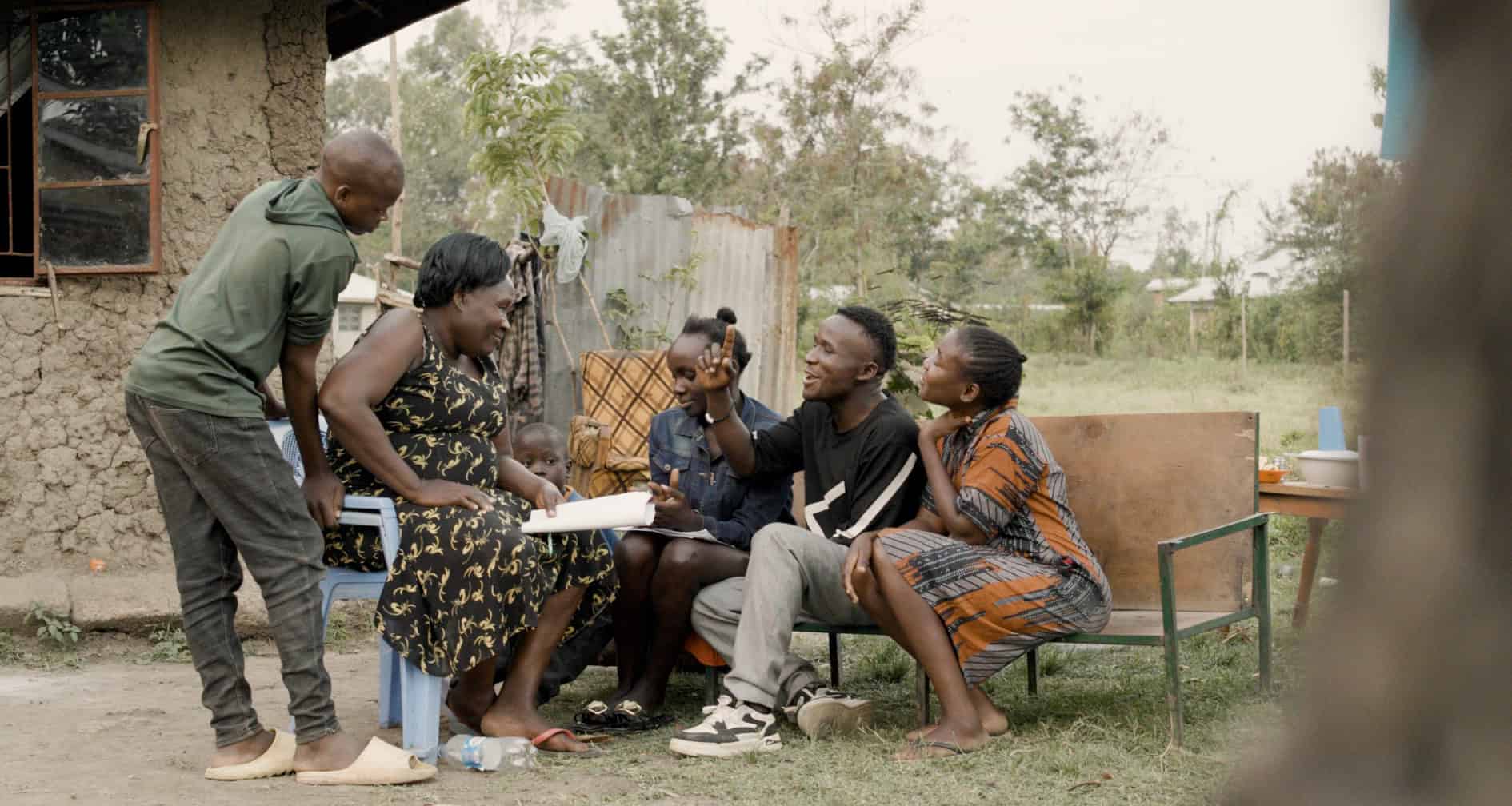
Kimundu’s filming approach highlights the heart and humanity of Rodah’s cause, as well as the documentary as a whole. During these tense mediations, we only hear their voices and the sounds of nature, putting us right there with the widows, elders, and in-laws. However, the upbeat music by Fancy Fingers and Winyo adds some much-needed levity to the heavy subject matter. In an interview with The Rolling Tape, Kimundu spoke about the amount of “joy, life, music,” and overall beauty she felt in these spaces, something she wanted to come through in the film.
Widow Champion is an intimate portrait of the injustice widows face after the death of their husbands, showing that women’s land rights are not a luxury but a crucial means of survival. Despite the serious topics at its center, the documentary never feels too somber, instead highlighting that even when we’re surrounded by despair, we can still find joy and beauty.
Widow Champion premiered June 9 at the 2025 Tribeca Festival.