At Amazon Robotics, innovation is about redefining what’s possible when people and machines collaborate intelligently.
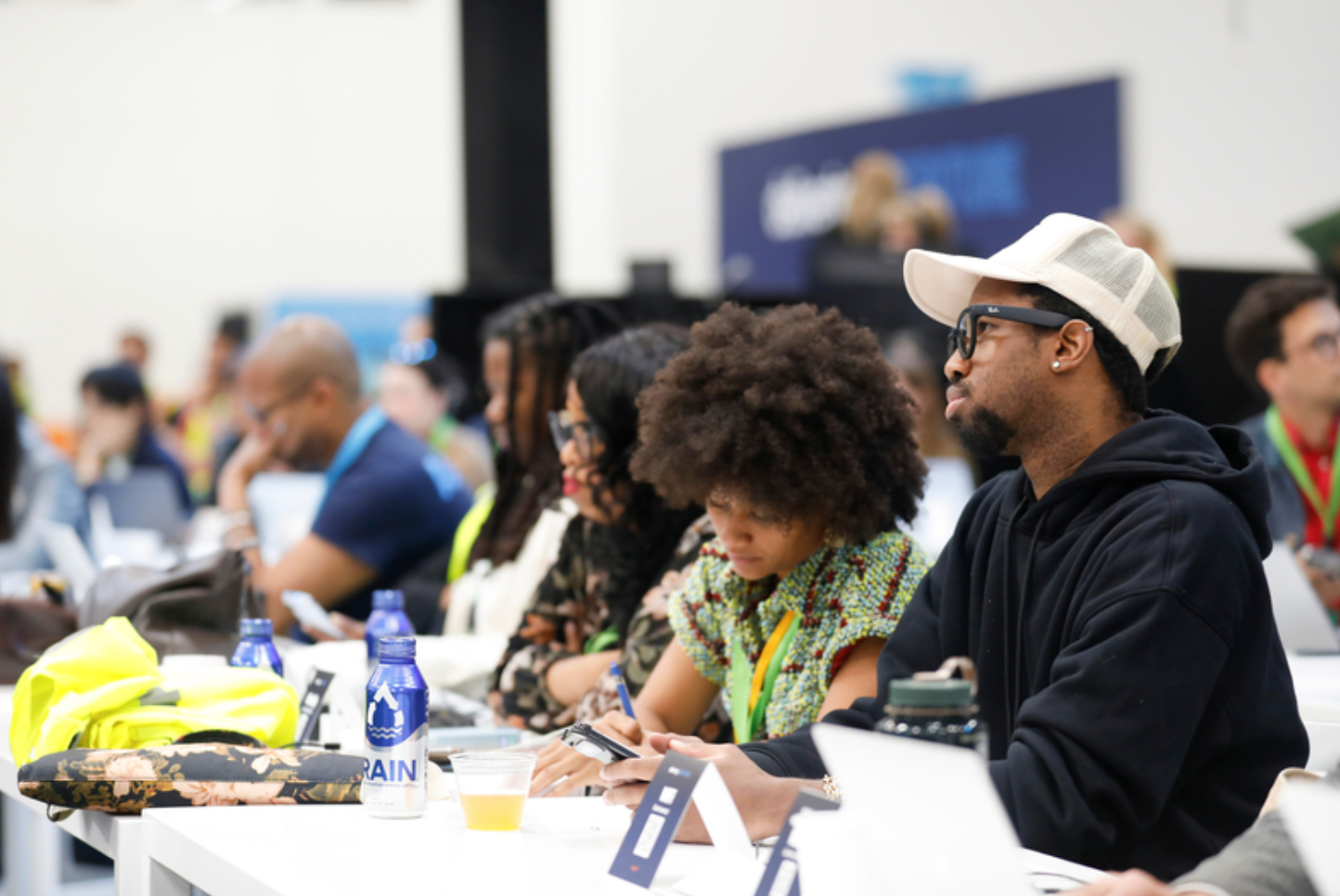
BGN among a team of journalists in San Fransisco at Amazon’s Deliver The Future, attended an event where Tye Brady along with host of Amazon executives unveiled new tech and products being launched by Amazon.
The company has taken an extraordinary leap forward with the debut of Blue Jay, Amazon’s next-generation robotic system. Unveiled by Tye Brady, Chief Technologist of Amazon Robotics, Blue Jay marks a pivotal evolution in the company’s ongoing journey to create technology that’s faster, safer, and more human-centric than ever before.
In Brady’s words, “Blue Jay is three assembly lines of robotics all in one.” It’s an elegant metaphor for a system that blends versatility, precision, and scale. Unlike earlier robotic technologies that specialized in single tasks such as sorting, picking, or stowing Blue Jay integrates multiple robotic arms that can perform these functions simultaneously within a single workspace.
Traditionally, these processes occur in separate zones of Amazon’s same-day fulfillment centers, requiring vast physical space and complex logistics coordination. Blue Jay changes that paradigm. By uniting several core workflows under one orchestrated system, it condenses multiple steps of the fulfillment process into one intelligent hub, streamlining operations and saving valuable time.
Each of Blue Jay’s robotic arms operates with sophisticated perception and motion capabilities, enabling the system to identify items, handle them with precision, and adapt dynamically to changing workloads. The result is an adaptable platform that doesn’t just follow programmed commands it makes real-time decisions to optimize efficiency.
From a technical perspective, Blue Jay represents a major leap in robotic orchestration. It’s built on a foundation of advanced control algorithms, sensor fusion, and machine learning, allowing multiple robotic arms to coordinate as a single, unified system.
That coordination is key. Managing one robotic arm is complex enough but synchronizing several in the same environment requires a deep understanding of timing, spatial awareness, and collaborative motion planning. Each arm must move independently yet harmoniously, avoiding collisions while performing concurrent actions like picking, stowing, and consolidation.
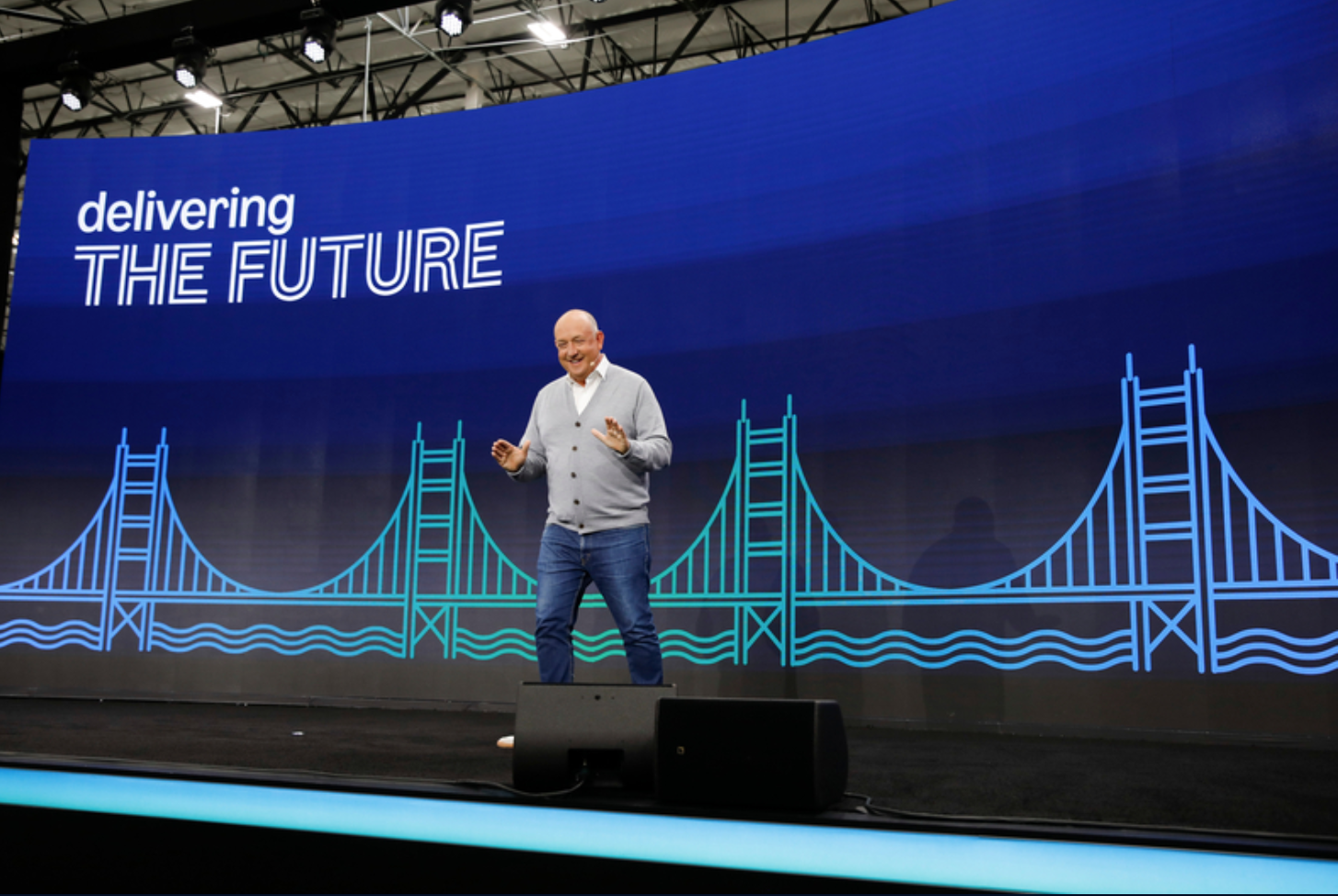
Under Brady’s guidance, the Amazon Robotics team has been able to translate years of research in robotic perception, haptics, and AI into a working system that feels almost symphonic in its execution. “It’s a single system with three times the versatility and tasks that it can accomplish,” Brady said. “It’s the next generation of what we think robotic coordination can look like.”
As with all of Amazon’s robotics innovations, Blue Jay is not about replacing peopleit’s about empowering them. The system’s design philosophy is rooted in safety, collaboration, and human-robot interaction.
By integrating Blue Jay into same-day fulfillment sites, Amazon can reduce repetitive physical strain for associates while increasing the speed and accuracy of order processing. Associates will be able to focus on decision-making, quality control, and problem-solving, while Blue Jay handles the labor-intensive components of movement and manipulation.
This approach reflects Brady’s long-standing belief that AI and robotics should serve working people. “We’re building technology that makes work safer, smarter, and even more rewarding,” he explained. In practice, that means developing machines that understand human intent, adapt to their environment, and function as trusted partners not faceless automata.

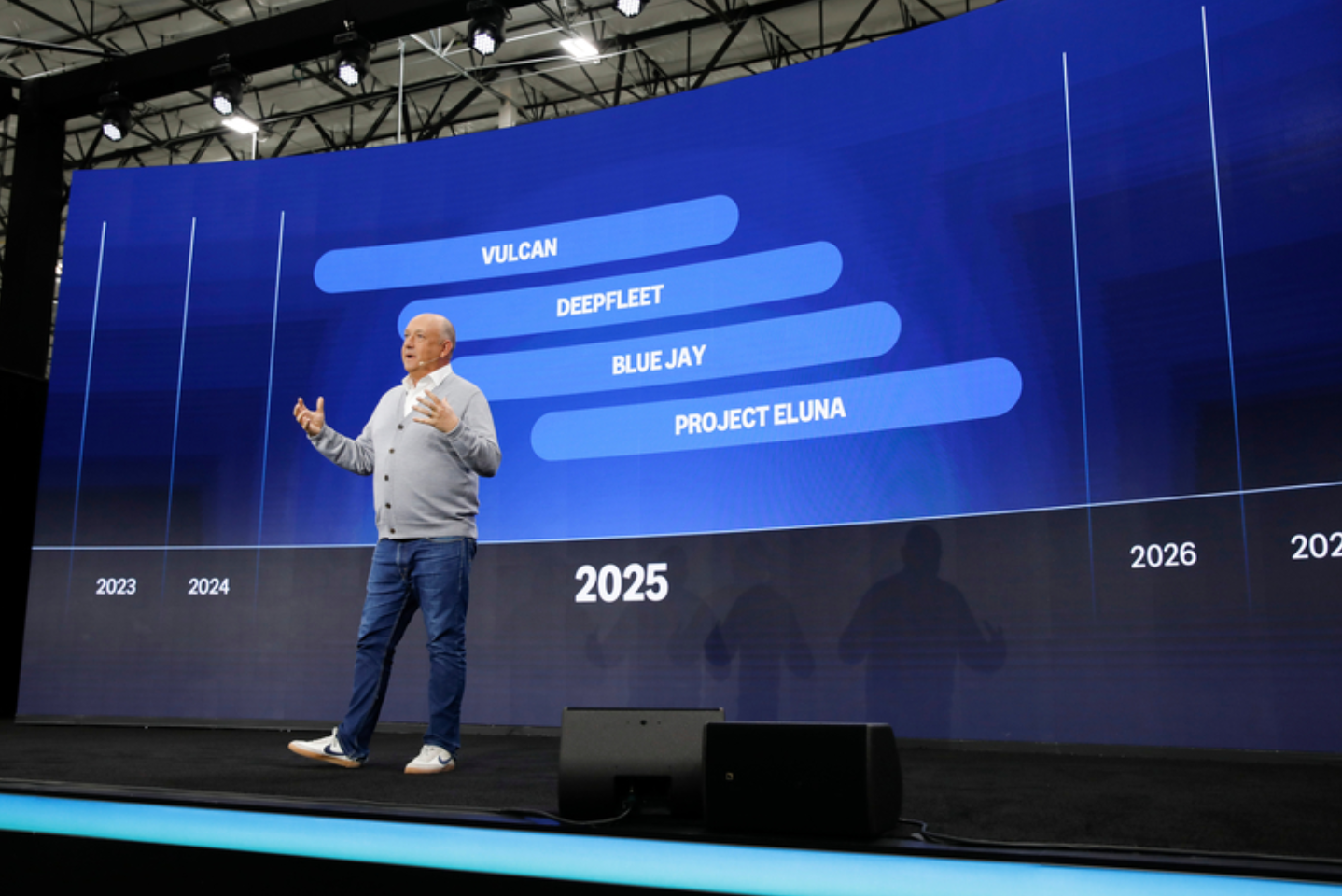
Blue Jay is the latest milestone in Amazon’s broader robotics roadmap. It follows Vulcan, a system that introduced a robot’s first sense of touch, and Deeply, an orchestration platform that manages thousands of mobile robots to move inventory faster and more efficiently.
Together, these technologies form a continuum: Vulcan gives robots sensory intelligence, Deeply gives them coordination, and Blue Jay brings it all together in a compact, multi-functional form factor. Each project builds upon the other, reflecting Brady’s systems-engineering roots and his belief in iterative, layered innovation.
What makes Blue Jay’s debut especially exciting is that its implications extend far beyond Amazon. Every lesson learned, every algorithm refined and every motion perfected contributes to a growing body of knowledge that will shape robotics across industries.
“The same core capabilities we’re developing here,” Brady explains, “are the building blocks that will one day enable machines to navigate truly unstructured environments.” The technology that helps a Blue Jay robot grasp an item safely and efficiently could one day help a domestic robot assist with household tasks or a medical robot provide precise, delicate care.
As Amazon continues to expand its robotics and AI capabilities, systems like Blue Jay show how automation, thoughtfully applied, can create workplaces that are safer, jobs that are more fulfilling, and a world where human creativity and robotic precision move forward together.