When Bring It On premiered in August 2000, no one could have predicted that a teen cheerleading comedy would become a cultural touchstone. Directed by Peyton Reed and starring Kirsten Dunst and Gabrielle Union, the film is remembered for its biting humor, catchy cheers, and endless quotability. But for many Black women, especially those who grew up on the sidelines of football fields and basketball courts, pom-poms in hand — it was Gabrielle Union’s portrayal of Isis, the fierce and unapologetic captain of the East Compton Clovers, that left the deepest impression.
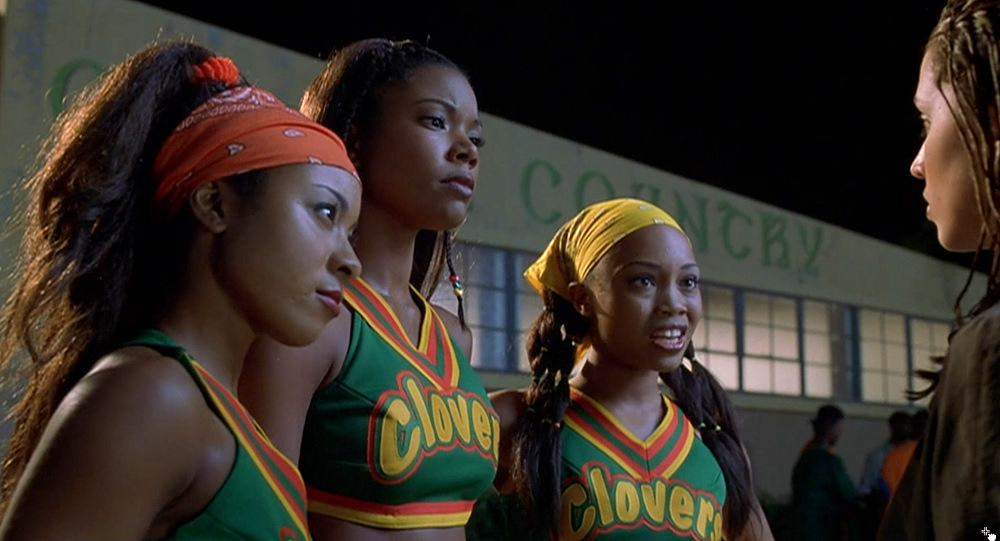
Now, 25 years later, Bring It On remains a pop culture classic not just because of its campy fun but because it dared to expose cultural appropriation in teen-friendly packaging. And at the center of that lesson was Isis, a character who made Black women feel seen in a genre and sport that often erased them.
Before Bring It On, the image of the all-American cheerleader was dominated by whiteness. Pop culture from Buffy the Vampire Slayer to Saved by the Bell consistently cast cheerleaders as perky, ponytailed white girls. Black cheerleaders rarely made it onto screens, and when they did, they were background characters without storylines or voices.
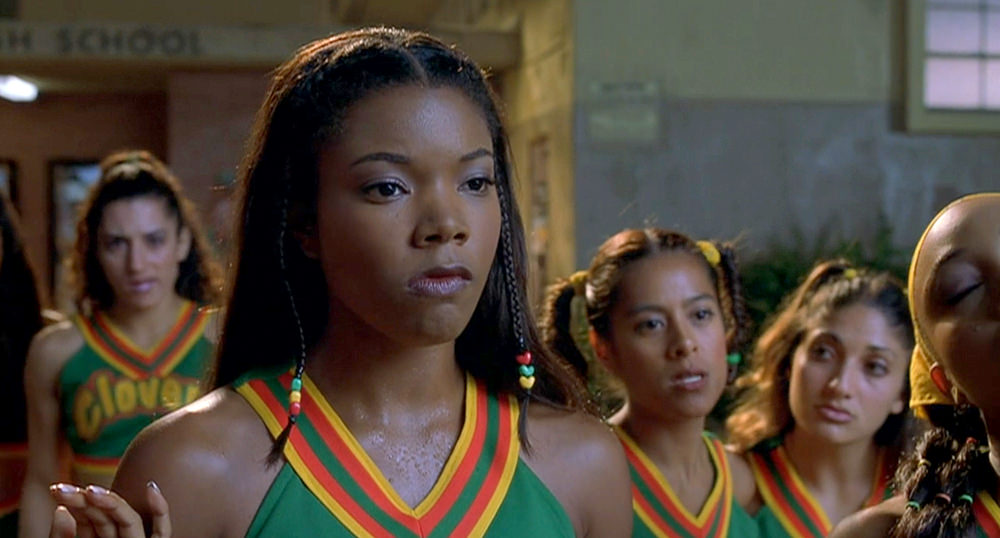
Gabrielle Union’s Isis shattered that mold. She wasn’t just included she was central to the story. As the leader of the Clovers, Isis commanded respect. She was sharp, stylish, and impossible to ignore. From the moment she tells Torrance Shipman (Dunst) that the Toros had been “stealing” routines from Black cheerleaders, Isis represented more than a character; she embodied the real frustrations of Black athletes and artists whose creativity is often mined but rarely credited.
While Isis rightfully stood out as the leader, Bring It On also gave us a squad of unforgettable Black cheerleaders who made the Clovers feel like a team, not just a backdrop. There was Jenelope (played by Natina Reed), quick-witted and unafraid to fire off biting one-liners that still live rent-free in our heads. LaFred (Brandi Williams) brought sass and sharp timing, always ready to echo Isis’s authority with a smirk or an eye-roll. Lava (Shamari Fears) radiated athleticism and cool-girl confidence, making every stunt look effortless.
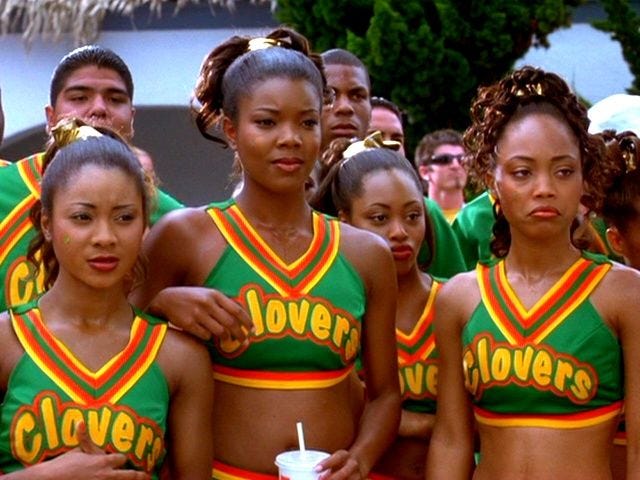
Together, these women formed a sisterhood on screen that many Black viewers recognized instantly: a group of friends who hyped each other up, cracked jokes, and stood united when it was time to clap back. Their chemistry wasn’t accidental. Union, Reed, Williams, and Fears had natural synergy. The latter three were actually members of the R&B group Blaque, which added to their undeniable rhythm and style.
Gabrielle Union herself has spoken about how seriously she took the role, even though it was her first major film. She intentionally gave Isis layers: she was protective of her team, tough but nurturing, and willing to call out injustice while keeping her squad’s spirits high. For Black audiences, seeing Isis stand tall against the Toros’ entitlement was more than entertainment, it was empowerment.
Twenty-five years later, Isis is still a fan favorite. Her character has been meme’d, quoted, and celebrated across social media. Gen Z TikTokers reference her lines without even realizing they’re quoting a film older than they are. More importantly, the conversation Bring It On started about cultural theft and acknowledgment feels even more relevant in today’s era of viral dances, TikTok trends, and debates over credit.

As Bring It On celebrates its 25th anniversary, Gabrielle Union’s Isis remains a cultural icon. In a film filled with laughs, rivalries, and spirit fingers, she gave Black women something far more lasting: visibility. She told us, through performance and presence, that Black cheerleaders weren’t just backup — they were innovators, leaders, and trendsetters.
For those of us who grew up hearing, “You don’t look like a cheerleader,” Isis gave us the confidence to flip that narrative. Yes, we did. And we still do.
So here’s to 25 years of Isis and the Clovers. Thanks for the memories and allowing us to see ourselves through you.