Now that Ryan Coogler’s (Black Panther, Creed) horror movie ‘Sinners’ is available to stream digitally — and in Black American Sign Language — it is a good time for those of us that might have missed certain nuances to return to one of 2025’s best-reviewed films out of the most underrepresented genres and see what sticks out on a second (or fiftieth) viewing. Here’s what stuck out to me.
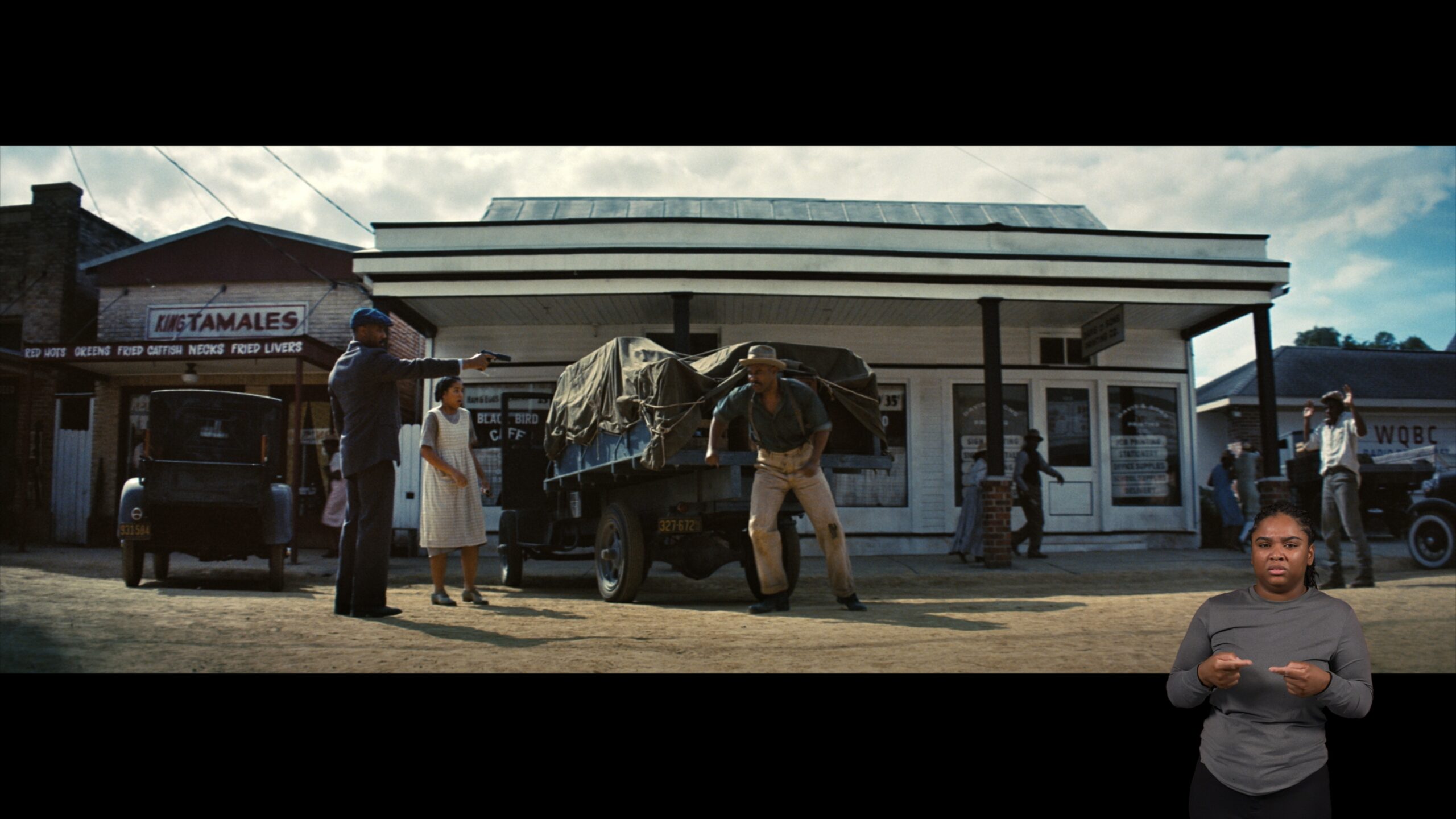
The importance of invitations is immediately established
Besides the opening voiceover (which gives us a film feel) that establishes the intimate relationship between music and spirituality, one of the first lines we hear is preacher boy Sammie (newcomer Miles Caton) being invited into the church by his father. Sammie’s ultimate fate has been the focus of many fan theories, including one that suggests he sold his soul to the devil, (that devil being Remmick, played by Jack O’Connell) and one might be forgiven for momentarily thinking that his hesitation to enter the church, combined with his ability to do so seemingly being predicated on his father’s invitation, means that Sammie has joined the ranks of the undead.
There’s just one problem with that in my personal opinion. Sinners, while highly imaginative emotional movie, is still very conventional as far as its vampire lore is concerned: garlic hurts them, silver has great stopping power, and one of the only ways to truly defeat them is with a stake to the heart. A ticket straight to hell. What that also means is that Sammie can’t be a vampire in this opening scene because the morning sun would have cooked him long before he could complete his drive to the church. Still, what this helps establish is one of the film’s themes: A sanctuary, whether it is a church, a home, or a cherished juke joint, is sacred, and one must always be wary of who and what one invites in. There’s a reason Swedish writer John Ajvide Lindqvist titled his 2004 vampire novel and its later film adaptation Let the Right One In.
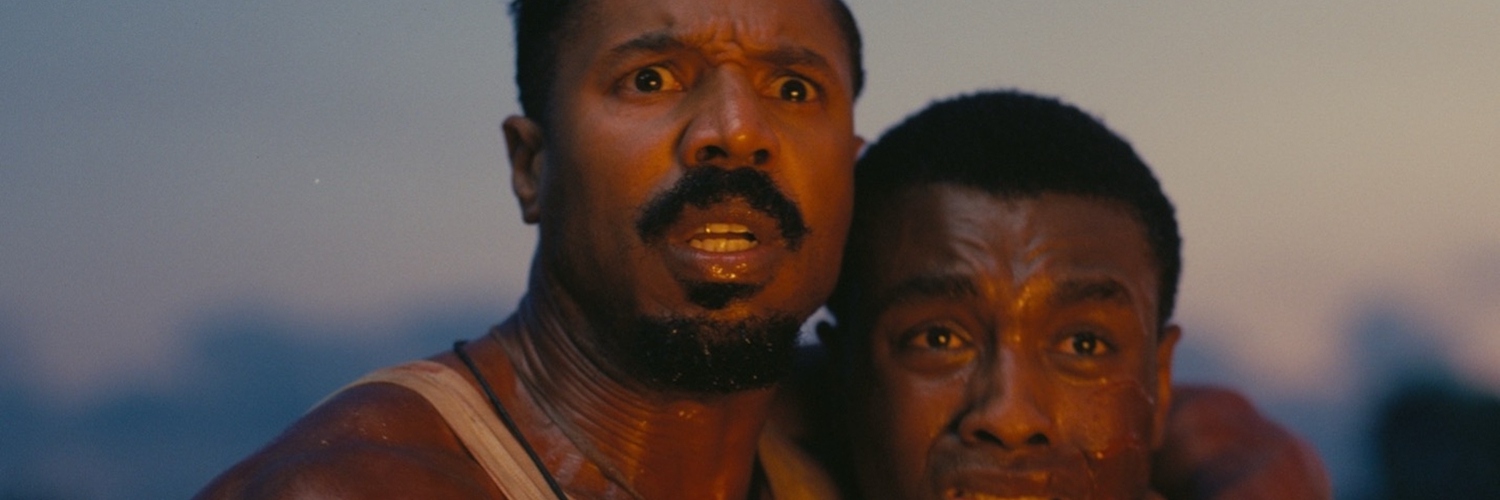
Adding to this, in a line I missed during a first viewing, when Sammie sees a guitar in his unnamed father’s church, his father says, “I brought it in here.” Once again, we see that someone is making a choice as to who or what can enter sacred spaces. The guitar makes Sammie’s father uncomfortable, but he risks “inviting” whatever risks it might bring in order to make his son more likely to enter his church. An even greater evil, if you will. It is, like later invitations we will see in the film, one that will not end well for the father as far as his pastoral hopes for his son are concerned.
Smoke and Stack’s outfits reveal their character and backgrounds
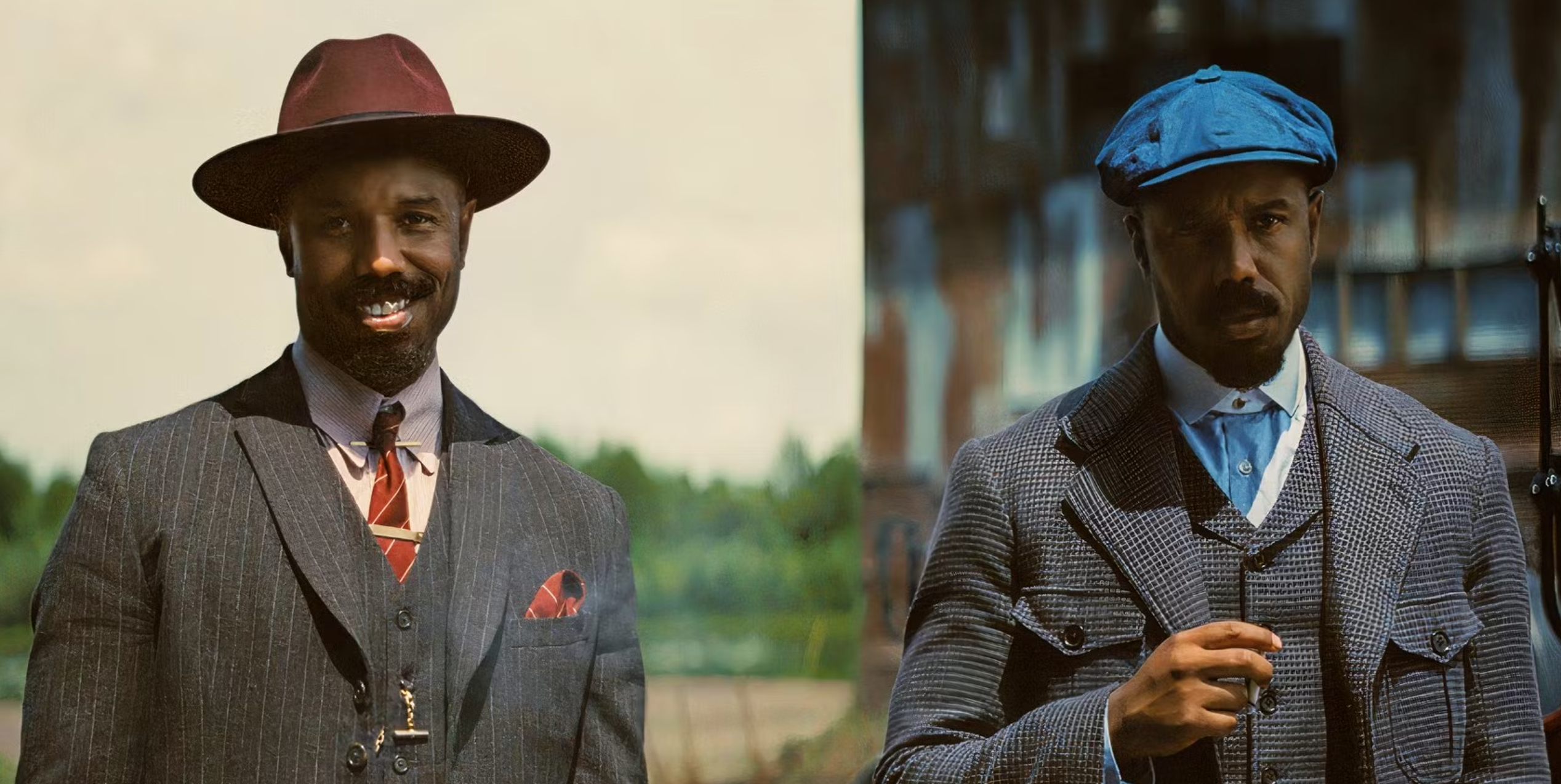
Obviously, a first-time viewing will reveal that twin brothers (or cousins?) Smoke and Stack wear contrasting colors: Stack in his fiery red and Smoke in his cool blue. Besides telling us that these two adult twins no longer feel the need to wear cute matching outfits, it also allows the audience a shorthand of who is who before we can dive deeper into their character traits. However, there is more than meets the eye with the costume design.
Besides wearing different colors, Smoke and Stack also wear different subculture-specific accessories and costumes that reveal much about their 1930s hometown Chicago affiliations. Stack, with his red fedora and tie combo, has all the trappings of a Prohibition-era Italian mobster. For reference, look at any image of Al Capone from this same time period. What you will see is a similar fedora-tie-vest combo as what we see on Stack. Contrast that with Smoke who brings a decidedly more Peaky Blinders flair to the table. That is no accident, as his scally cap, tweed suit, and blue button-up shirt are more typical of the era’s Irish gangs.
The visual storytelling here foreshadows the reveal that the guys have been playing both factions against one another in order to steal wine (from the Italians) and beer (from the Irish) that will supply their Mississippi juke joint. Other than providing an easy way to tell characters apart, this easily overlooked detail also lets audience members know that the Smokestack Twins are well apprenticed in the art of being a gangster.
Bo and Grace own two Stores: one for whites and one for Blacks
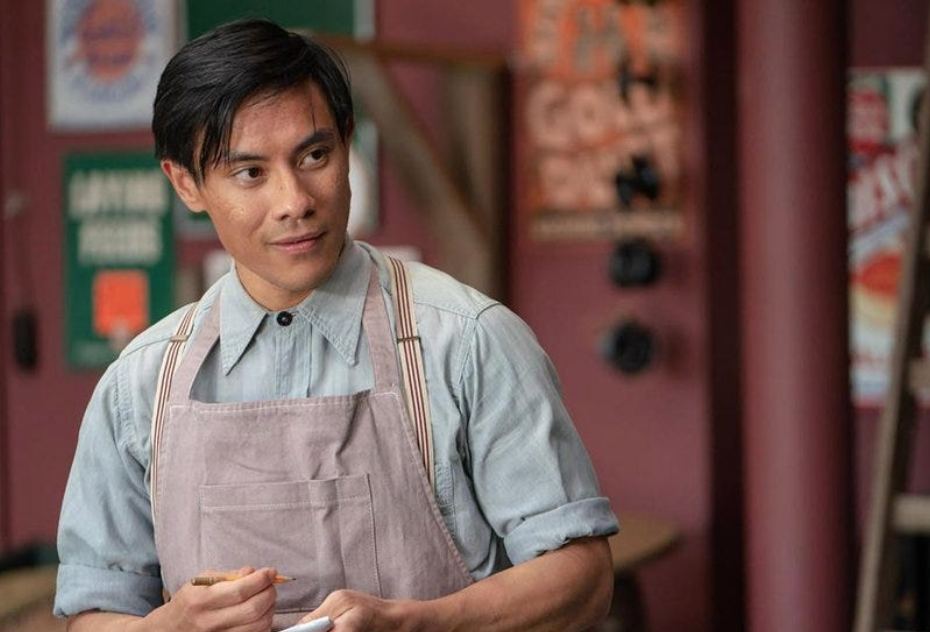
I’ll confess, on my first watch, I simply thought that Chinese-American couple Bo (yao) and Grace (Li Jun Li) were very prosperous. In the shot where we follow their daughter Lisa from the general store Bo is managing to the grocery store Grace is manning, I figured that the most this scene signified was that the couple were effective business owners. On a second viewing, however, it becomes clear that Lisa is not simply crossing the street but also traversing worlds. One side of the town’s main drag is entirely Black while the other is wholly white.
As Chinese-Americans living in the racist segregated South, the Chow family represent part of the messiness inherent to a world divided by absolutist notions of “Black” or “white.” As histories of Asian-Americans living during segregation can attest, not falling into either category left one both freer and more restricted. You could exist in the white world, but you could not comfortably inhabit it. You could relate to the color prejudice experienced in the Black world, but your unique identity also made it possible to (in some cases, at least) attend alleged “whites-only” public schools. Bo, Grace, and Lisa Chow represent the limits of Black/white segregation that would almost be comical had they not also been so deadly.

Stack foreshadows his and Mary’s fate
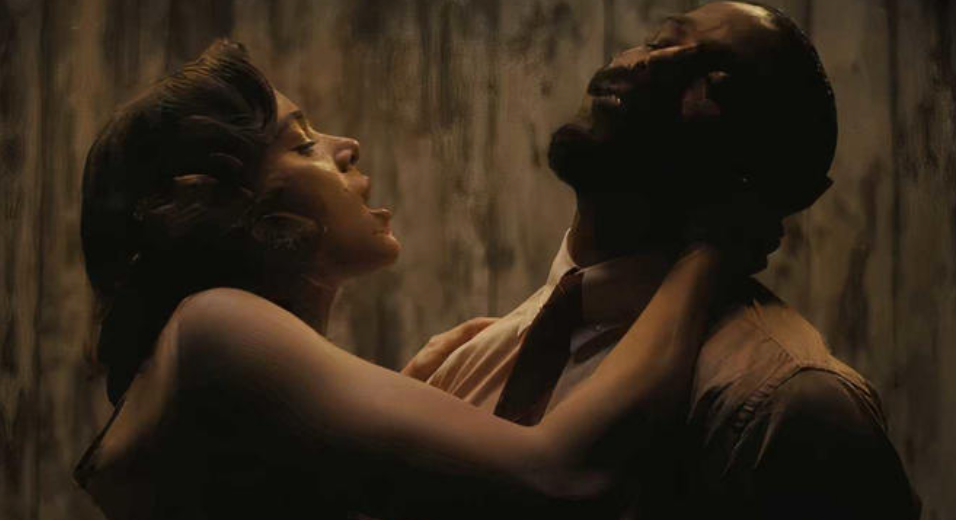
In the scene where we are introduced to Mary (Hailee Steinfeld), we learn about her romantic (and X-rated) history with Stack. Stack, ever brash and apparently unsentimental, tries to brush her off. For one, she is white-passing and married to a white man in St. Louis. One wrong eye on their interaction and any knowledge of her past could result in her being shunned from white society or, more likely, worse. In his attempt to protect Mary, Stack dismisses her rudely. As a result, she tells him to rot in hell. He responds, “Yeah, I will,” and adds that he will save her a room next to him.
This presages the fact that these two sinners will eventually be doomed to share a fate arguably worse than hell. In the second half of the film, according to Annie (Wunmi Mosaku), vampires exist in a perpetual state of hatred because their souls are trapped and cannot rejoin the ancestors. They are cursed to live in the shadows, thriving on blood and manipulation. The only seeming silver lining is that Stack and Mary, as Stack teasingly promised, share this fate together. In a post-credits scene (that I stupidly missed during my first theater viewing), we see that they are still together, sharing this hellish existence with one another and even offering Sammie a place with them. Stack has finally allowed Mary fully into what is left of his heart. This was one of the most bold single parts of the movie for me in my second-viewing. This offered a kind of emotional level I didn’t appreciate during the first viewing.
Sammie named his own juke joint after Pearline
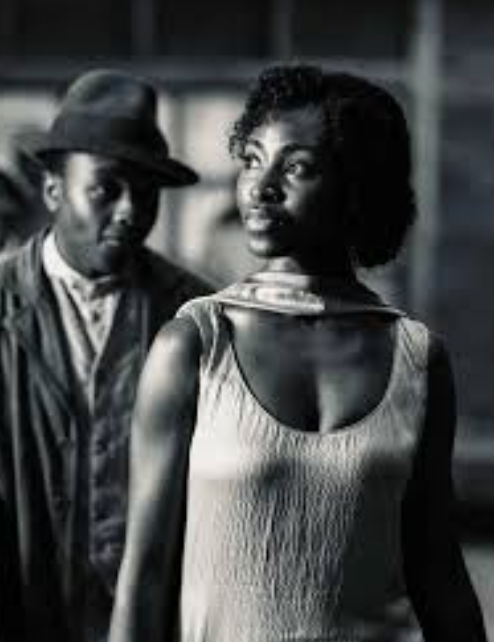
Finally, speaking of the post-credits scene, we see that the aged Sammie is still playing his heart out. But as Sammie jams onstage, we see the name “Pearline” blazoned on large display behind him. Pearline (Jayme Lawson) was the love of his life. It seems that decades later, that night has left him scars of every kind, but that day, “before the sun went down,” was one of his brightest. And he has chosen to carry the best part of it with him to his dying day. Sinners is such a good film and gets better after multiple viewings. Absolute cinema! Just quit it with the From Dusk Til Dawn comparisons already!
Sinners is now streaming on HBO Max.