The recent news surrounding the death of Trey Reed, a student at Delta State University, has reignited a broader conversation about accountability, institutional transparency, and the urgency of independent investigations when communities feel the official narrative is insufficient. Today, activists and advocates working closely with Reed’s family confirmed that a second, independent autopsy, funded by former NFL quarterback and social justice advocate Colin Kaepernick, revealed blunt force trauma to the back of Reed’s head. These findings potentially conflict with the initial ruling that his death was a suicide.
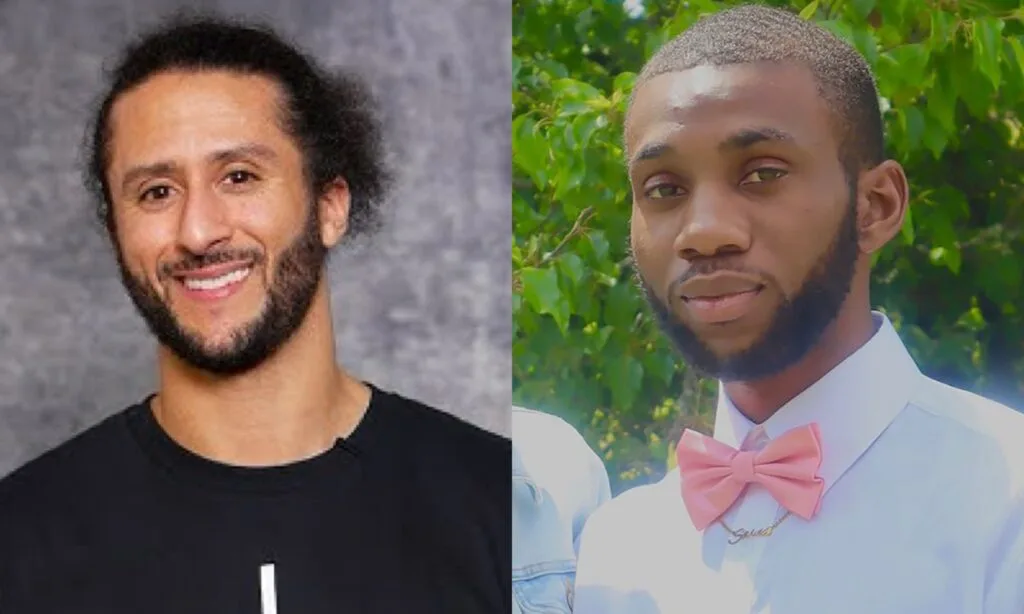
The fact that Reed’s mother and legal representatives have reportedly reviewed these findings signals a growing demand for answers and underscores the importance of independent oversight. It is a reminder that official reports are not always final and that families, especially those who have historically been marginalized often must fight to ensure that every angle is examined thoroughly. With Kaepernick’s involvement, this case has gained renewed attention, highlighting how influential figures can help amplify the voices of those seeking justice, particularly when institutional trust is fragile.
This development raises several pressing questions. How did the initial ruling of suicide fail to account for evidence of blunt force trauma? Were there procedural oversights, or worse, negligence in how authorities investigated Reed’s death? While it is crucial to respect the ongoing investigations and the integrity of the legal process, it is equally important to acknowledge the emotional and psychological toll that conflicting narratives place on families. For Trey Reed’s loved ones, this is not an abstract debate. It is their lived reality.
Moreover, the situation illustrates the broader systemic patterns affecting Black students and communities in Mississippi and beyond. Historically, marginalized families have faced barriers when seeking transparency or independent review in cases of sudden or unexplained deaths. The decision by Reed’s family to seek a second autopsy reflects a wider distrust in systems that too often prioritize expediency or institutional reputation over the pursuit of truth. When prominent advocates like Kaepernick step in to fund independent investigations, it sends a powerful message: communities will not wait silently for answers, and public attention can be a tool for accountability.
It is also worth noting that the reporting of this case is still unfolding. According to the Chicago Crusader, inquiries regarding Reed’s autopsy records should be directed to Mississippi authorities or the law offices of attorney Ben Crump. The fact that media outlets and investigators are pointing to official channels for these documents reinforces the importance of due process, but it also highlights the need for transparency at every stage. Journalists, activists, and concerned citizens all play a role in ensuring that such cases are not forgotten or buried under bureaucratic inertia.

Ultimately, the tragedy of Trey Reed is a stark reminder that the pursuit of justice often requires persistence, vigilance, and collaboration. The second autopsy’s findings may challenge the official narrative, but they also offer a glimmer of hope: that with dedicated advocacy, families can uncover truths that might otherwise remain hidden. In a society grappling with ongoing issues of racial inequity, mental health, and institutional accountability, Trey Reed’s story compels us to confront uncomfortable questions about who is believed, who is protected, and whose lives are valued.
As the investigation continues, the imperative is clear: authorities must provide transparency, families must be heard, and the public must remain engaged. The stakes are too high, and the consequences of silence too severe, for anything less. Trey Reed’s life and the questions surrounding his death deserve nothing short of a thorough, independent, and just examination.