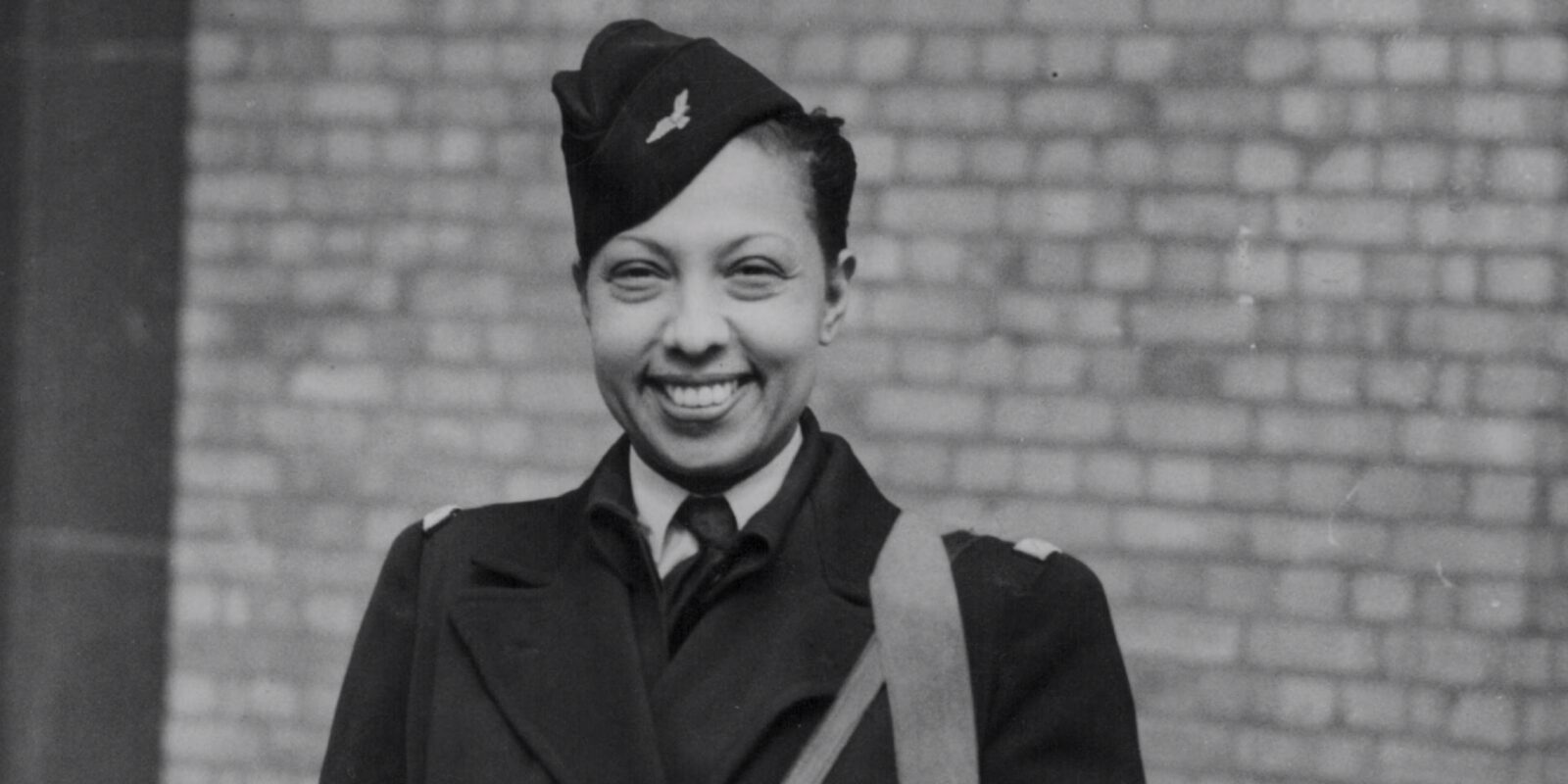

Josephine Baker’s legacy is often reduced to feathers, sequins, and the stages of Paris cabarets — but her story stretches far beyond entertainment. Born Freda Josephine McDonald in Missouri in 1906, the young Baker grew up in poverty, working odd jobs before joining a vaudeville troupe as a teenager. Her natural flair for comedy, acrobatics, and dance quickly distinguished her. By the early 1920s, she was performing in New York during the Harlem Renaissance, appearing in shows like Shuffle Along and Chocolate Dandies. Audiences were captivated by her humorous, flexible routines and her ability to transform the ordinary Charleston into something electric.
Josephine Baker is one of those women who will always be more than they appeared on the surface. At first glance, she was a show performer, a fantastic and famous one at that. But her agenda fulfilled more than a few numbers and risqué dancing on stage. Josephine Baker was in fact a driving force in the Civil Rights Movement and politics worldwide. A true activist. She was so fierce she even played a key part in the French resistance of World War 2.
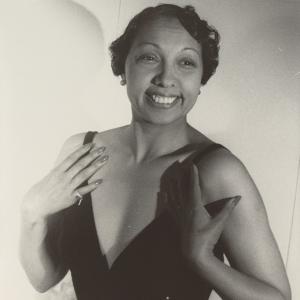
Born in St. Louis, America, Josephine grew up knowing her mother, Carrie, without being too sure of her father. Carrie herself had been adopted by Richard and Elvira McDonald, who were both former slaves of African and Native American decent. Josephine’s estate claimed a drummer by the name of Eddie Carson was her biological father. Yet, there’s contrasting evidence to suggest this isn’t true, so her other pair of grandparents are unknown.
Josephine’s early life had been far from easy. She grew up in the mixed low-income area of St. Louis, and spent most of her time poorly dressed and very hungry. By eight, Josephine was working as a live-in maid for a white family, one of whom abused her by burning her hands when she used too much detergent in the laundry. Four years later, by 12, Josephine dropped out of school. Life was the true definition of hardship for this sweet young woman. Little did she know, she’d change the future forever.
Josephine Baker was known as a fantastic, showstopping dancer before becoming an all-round on-stage sensation. Her early career highlighted her talent for moving to music and she became famous for headlining prestigious Parisian venues. Josephine’s infamously risqué (and now contentious) costume of a short banana skirt, low hung beads, and little else was first debuted in one of these early shows. The look eventually became an iconic image of the 1920s Jazz Age.
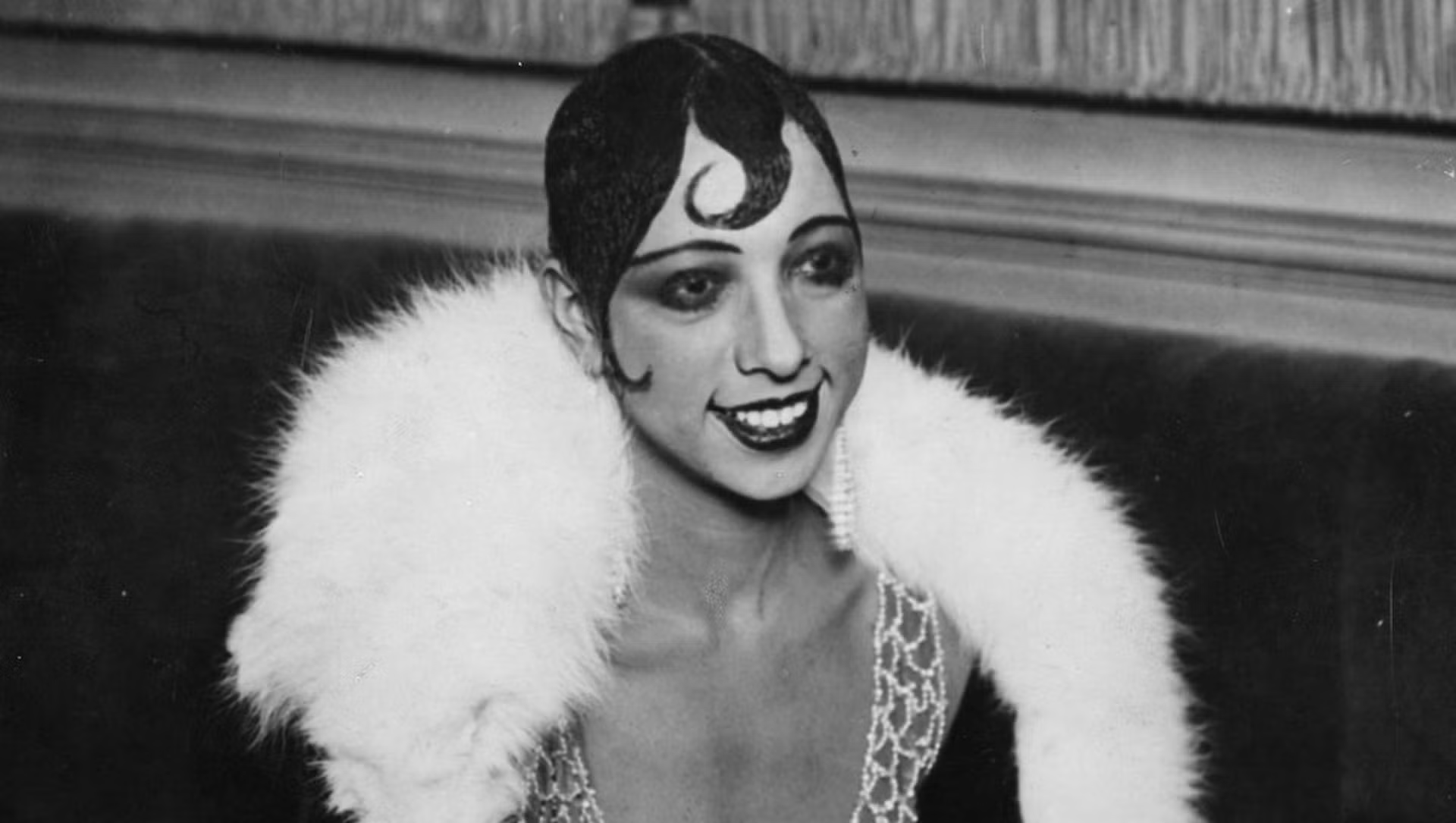
Could she go wilder? Well, there was even a time when Josephine would perform with her ‘pet’ leopard. Apparently, the wild cat would sometimes leap into the musician’s pit causing mayhem, laughter, and a constant sense of suspense during her performances. Josephine was also infamous for embracing her acts almost completely naked at times. She knew her worth, knew her body, and pushed the boundaries almost a century ago!
In 1925, Baker sailed to Europe, where her life changed forever. Her debut in Paris with the “Danse Sauvage” stunned audiences. France embraced her in a way the United States never had, making her one of the most celebrated entertainers and singers of the Jazz Age. Nicknamed the “Black Venus,” she headlined Parisian stages while also appearing in films and recording music. Baker made France her home and eventually became a French citizen, but she never forgot her roots or the racial injustice that shaped her personal life in America.
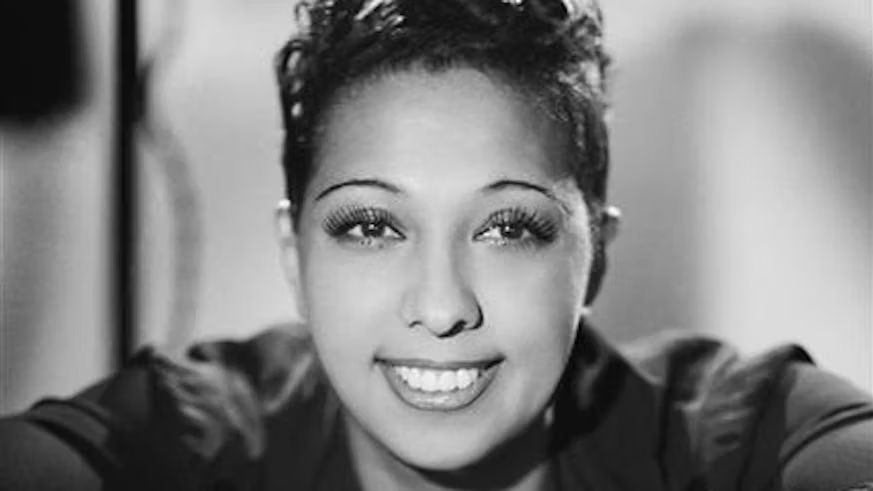
At the outbreak of World War II, Baker refused to stand idly by. She joined the French Resistance movement, leveraging her celebrity to gain access to high-ranking officials across Europe and Morocco. She carried secret messages for the Allies, writing them in invisible ink on her sheet music and musical scores, even hiding notes in her costumes. From Lisbon to Paris, she smuggled intelligence while continuing to entertain troops to boost morale.

Today, not as many people know how influential and active Josephine Baker had been during The Civil Rights Movement. When she had first arrived in New York during the 1950s, she’d been refused reservations in over 35 different hotels. So, Josephine took to the pen and wrote numerous articles to educate the world on the discrimination she’d faced in America.

Another time, in 1951, she also made charges of racism against a renowned and famous club. Apparently, the superstar actress Grace Kelly was present during the altercation, and was so disgusted she stormed out of the venue with Josephine on her arm vowing never to return. It’s to no surprise that the pair become close, and these are only two instances of Josephine’s never-ending fight against racial discrimination during the 50s. Later, during 1963, she’d go on to be the only official female speaker to stand aside Martin Luther King Jr at the March on Washington.
After the assassination of Martin Luther King Jr., Josephine was even asked to become the unofficial leader by Coretta King Scott. However, fearing for the safety of her children, she felt she had to turn down the opportunity. She’d already helped save her family from the threat of Nazi infantry in Paris and didn’t feel ready to face the risk such a high and exposed position would bring. Yet, she continued to fight for equality until the day she died in 1975.