For many decades, superheroes have symbolized hope, justice, and moral clarity. From Superman’s unwavering goodness to Captain America’s patriotic idealism, they stood as larger-than-life figures meant to inspire. But in recent years, that relationship has changed as audiences have grown more skeptical. We question the motives of those in power — even the ones in capes. No show captures this cultural shift better than The Boys. We’ve grown up to know and love superheroes for their cool powers and the awesome suits they don while they save the day time and time again. They’ve long represented justice as they stand up against the bad guys, with some characters having storylines that include them going bad for a brief moment. The Boys brought forth a new conversation to be had: what happens if heroes could be manufactured and corrupted to do whatever they were programmed to? Could they be trusted not to go off the rails? Just because something is possible, does it mean it needs to be explored further? Let’s examine how the wildly popular series explains our changing relationship to superheroes.
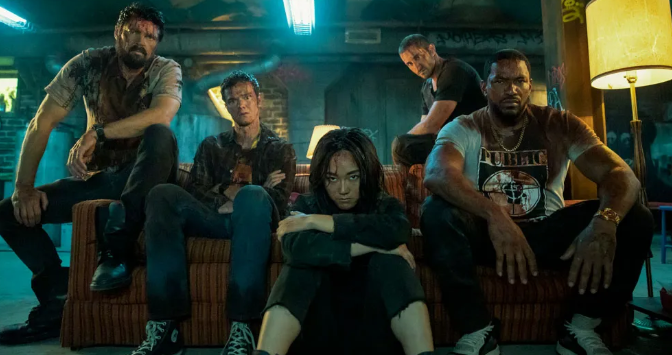
The Vought corporation changes the formula by using their heroes as products and tools rather than to make the world a better place. They are marketed to appear a certain way, with their actions often filmed to be broadcast to the public and create popularity for whichever hero they are trying to push at the moment. The Boys showcases how heroism is engineered via a drug called Compound V in their world, where medicine and technology are fairly advanced. This shines light on how heroes aren’t only born, but can be created (similar to Steve Rogers). We now see how the origin story of heroes has changed with The Boys have a long list of heroes that act more as celebrities with money on the line when they complete tasks assigned to them. Through its dark humor, violent realism, and corporate satire, The Boys shows how the superhero fantasy has evolved alongside society’s changing trust in government institutions, media, and celebrity culture. It’s a mirror showing how, in modern culture, power is inseparable from profit. While Marvel and DC tell stories about sacrifice and moral duty, The Boys shakes that ideology on its head. Their heroes don’t save lives for justice they do it for likes, PR coverage, and to keep their shareholders happy.
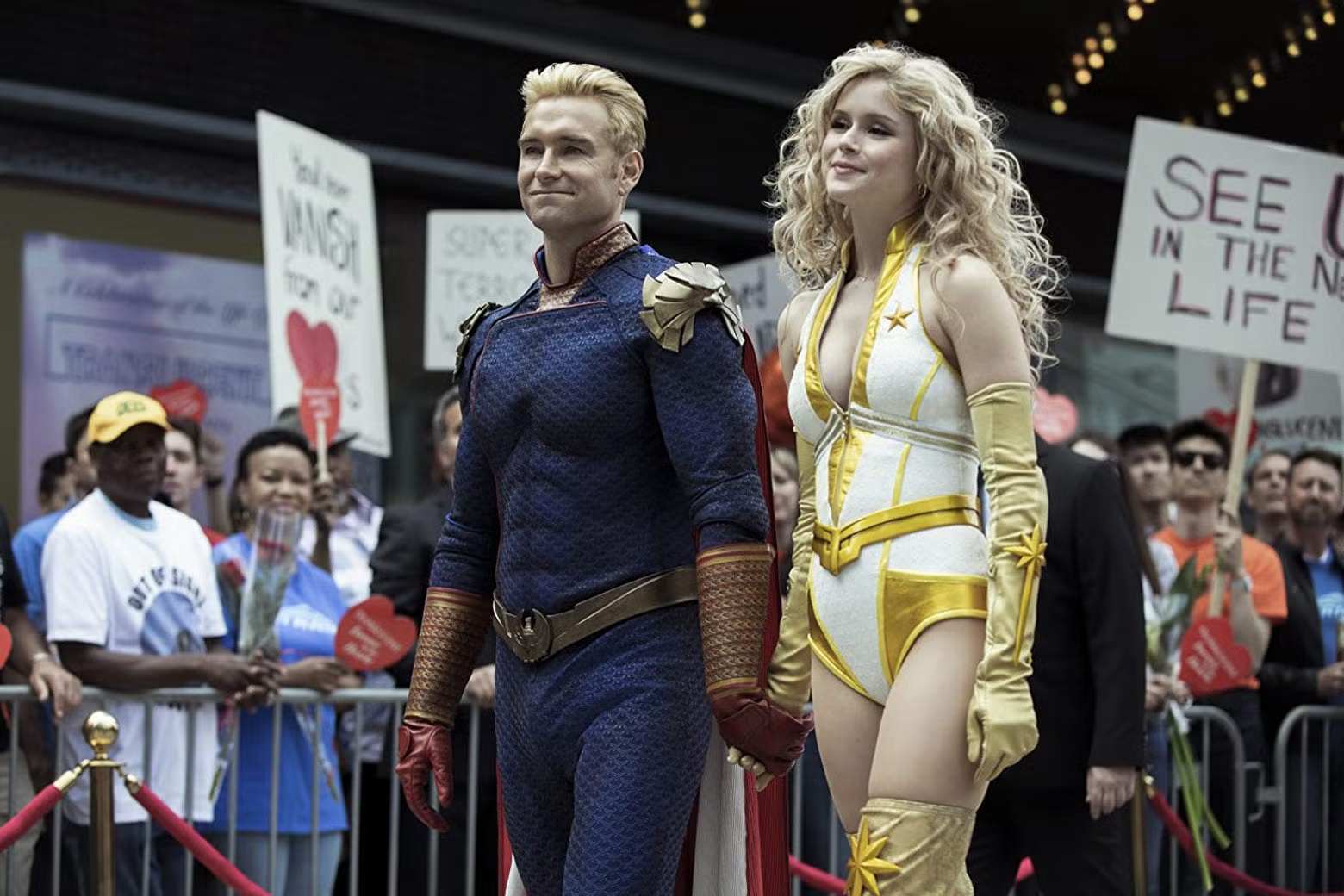
We’re accustomed to heroes that fight to protect their secret identities because they value being anonymous. But in The Boys, superheroes crave fame and desire social media followers, awards, and ad campaigns because being loved matters more than being good. Characters like A-Train and The Deep exhibit modern celebrity behavior: they chase relevance, manipulate the press, and protect their image after scandals. Then there’s Homelander, who is perhaps the most powerful hero, yet the most unhinged. He is arguably unstoppable because, aside from possessing so many powers above anyone else’s, people rely on him to keep order and safety. The show’s satire is sharp because it aligns with how audiences now view public figures. We no longer expect them to be pure, but instead, we expect performance. This obsession with their image reflects the rise of social media culture. People curate personal brands online, and superheroes in The Boys do the same. Their powers are secondary to their ability to control perception.
The success of The Boys isn’t just about its edgy tone, shocking violence, or its insane graphic moments (still one of the craziest opening pilot sequences of all time). It works because audiences today are more critical consumers of superhero stories. After nearly two decades of Marvel and DC dominating the superhero genre, viewers want something that questions the formula. Weirdly, when audiences cheer for The Boys, they’re not cheering for superheroes; they’re cheering for the destruction of a myth that no longer feels honest. Our relationship with superheroes now mirrors our relationship with institutions: complicated, skeptical, and aware of the cracks. We no longer see heroes as moral guides, but instead as flawed, ambitious, and trapped in systems they can’t control (much like the current state of our government).

The Boys proves that superhero narratives can evolve with the times and still connect deeply with what people feel. We might not believe in perfect heroes anymore, but we still believe in the idea of accountability. That’s why characters like Butcher and Starlight resonate. They fight against the illusion, so they aim to prove that even in a world where everything is compromised, truth still matters. The series explains our changing relationship to superheroes by revealing how modern culture has outgrown the myth of “the perfect savior”. We see heroes differently because we see power differently, and we now expect flaws, contradictions, and consequences.
With The Boys soon entering their fifth and final season next year, the world has expanded to a spin-off, Gen V, which further explores these themes on a different level.