If you’ve already soared through Wicked: For Good and find yourself craving more musical magic, female-driven fantasy, and emotionally rich storytelling, you’re not alone. The blockbuster has reignited interest in classic musicals, reimagined fairy tales, and stories about complicated women transforming their worlds. Whether you want more dazzling spectacle, sharp-tongued heroines, or mythic adventures, here are seven films to add to your watchlist now.
The Wizard of Oz (1939)
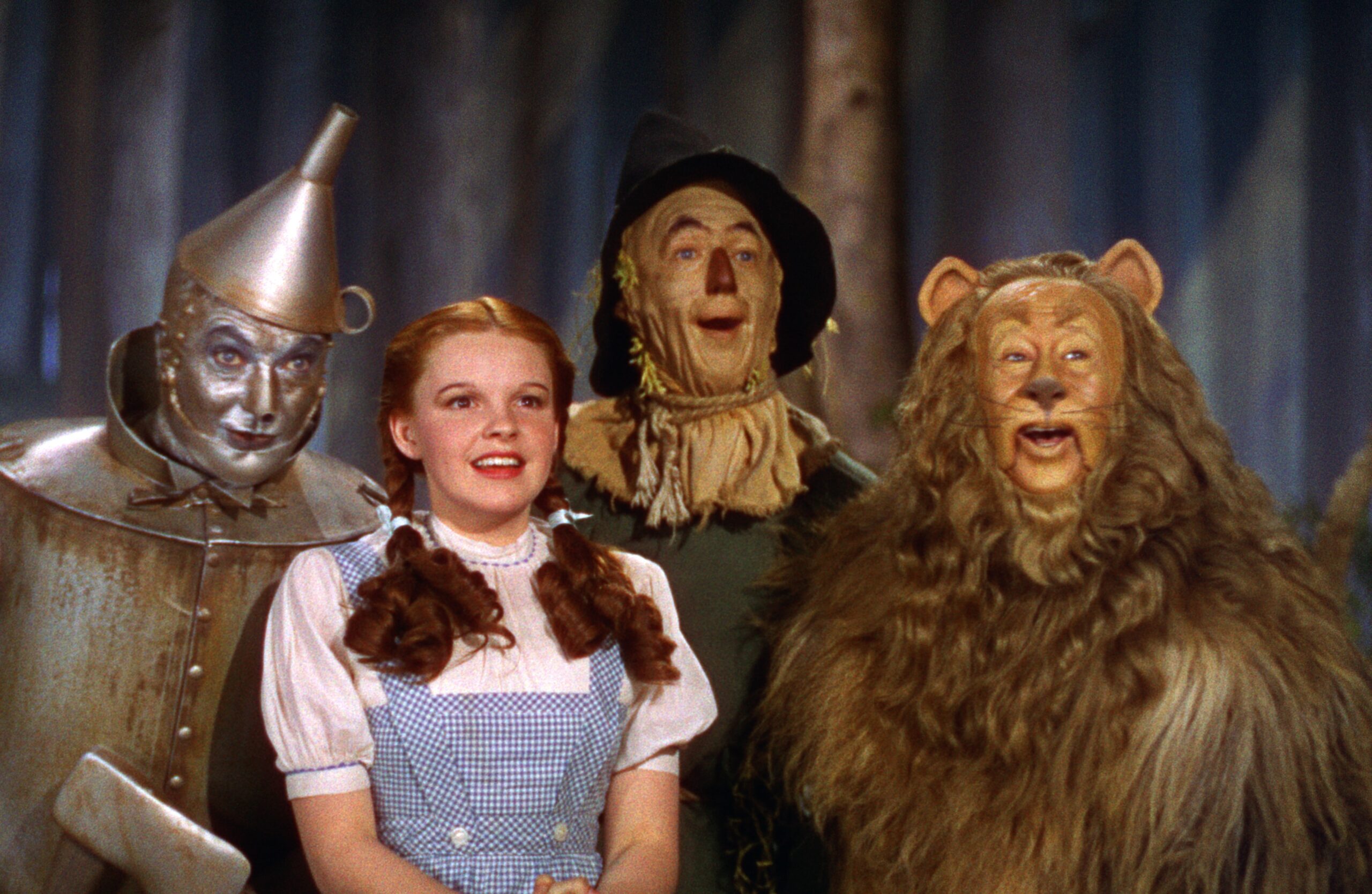
No post-Wicked watchlist is complete without returning to the film that established the foundation of Oz as we know it. Victor Fleming’s technicolor masterpiece is a precursor that Wicked actively rewrites, reframes, and interrogates.
After watching Wicked: For Good, The Wizard of Oz becomes an entirely new experience. Moments that once seemed straightforward now carry emotional weight and narrative irony because you’ve seen the story from Elphaba’s perspective. The Wicked Witch of the West — long a symbol of pure evil — now reads as a misunderstood young woman who was manipulated, betrayed, and villainized by a regime intent on controlling the narrative. Her iconic green skin, once a visual shorthand for menace, transforms into a symbol of courage, individuality, and resistance.
Characters who appear heroic or harmless in The Wizard of Oz also feel different in light of Wicked’s revelations. Glinda’s sparkling entrance is no longer just whimsical spectacle, it’s complex, layered with the knowledge of her shared past with Elphaba, the choices she made, and the burden she carries. The Wizard’s charismatic deception hits harder once you know how deeply he shaped Elphaba’s identity and how ruthlessly he spun propaganda to preserve his power. Even Dorothy’s journey takes on new texture. She unknowingly steps into a conflict with a history far larger than her, interacting with characters whose motivations and moral alignments are anything but black and white.
In many ways, Wicked gives you the emotional decoder ring for The Wizard of Oz. Watching the 1939 classic afterward is revelatory. It becomes a companion piece, a mirrored narrative that highlights how stories evolve depending on who’s telling them.
Practical Magic (1998)
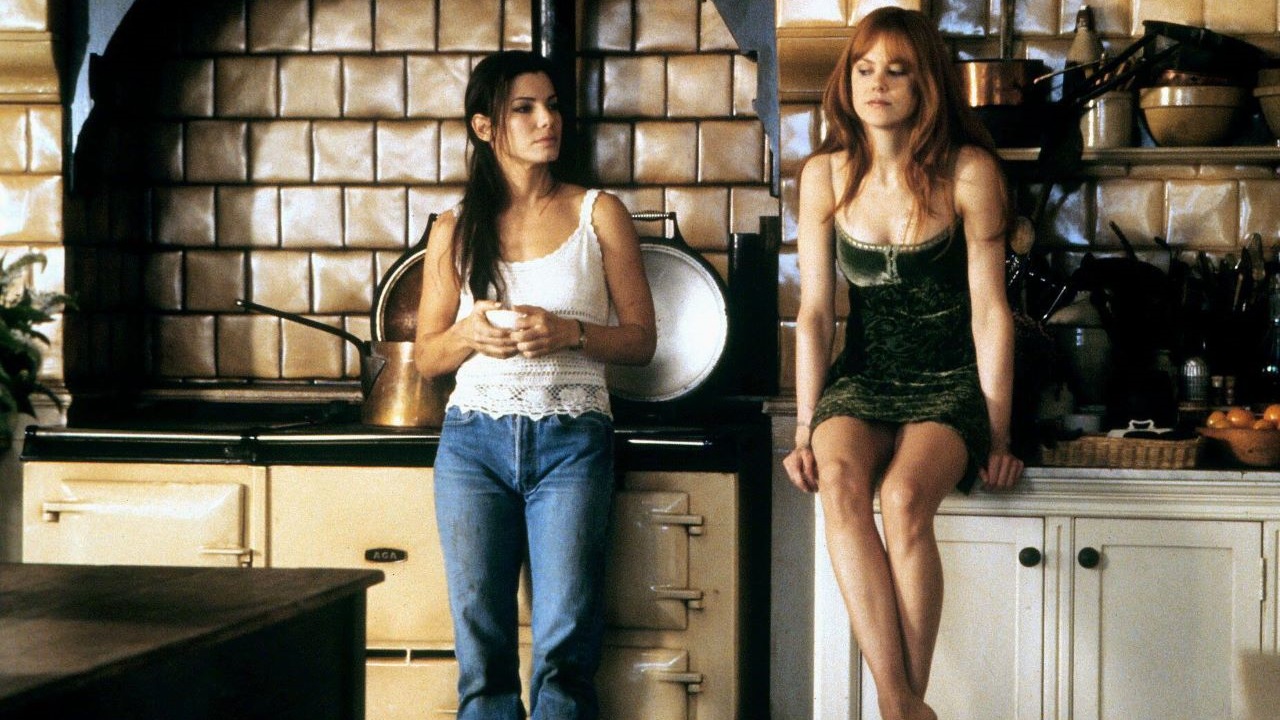
Practical Magic remains one of cinema’s most beloved witchy classics and its emotional core resonates powerfully with the themes that shape Wicked: For Good. At its heart, the film tells the story of Sally and Gillian Owens, two magical sisters who grow up marked by a family curse, bound by love, and shaped by a world that has already decided what kind of women they are allowed to be. Sound familiar?
The parallels to Elphaba and Nessarose are striking. Both sister pairs navigate complicated bonds defined by duty, resentment, deep affection, and the weight of expectations they never asked for. In Wicked, Elphaba often becomes the reluctant protector of Nessarose, struggling to balance her own need for freedom with the responsibility society places on her as the “different” one. Likewise, Practical Magic explores how the Owens sisters confront an inherited legacy that influences how they’re perceived, feared, or dismissed by their community.
What makes the connection even richer is how both stories frame witchcraft as both a burden and a birthright. Elphaba’s powers isolate her but ultimately become the tool of her liberation; the Owens women face a similar duality, grappling with the danger and beauty of the magic that runs through their family line. The fear and suspicion directed at them mirrors how Oz reacts to Elphaba not because she’s evil, but because her power challenges the narratives and structures that keep others in control.
Both Wicked and Practical Magic also explore the consequences of love — romantic, familial, and self-love. They ask what happens when women insist on owning their truth, even when the world punishes them for it. And in both stories, sisterhood is the force that ultimately heals, empowers, and transforms.
Maleficent (2014)
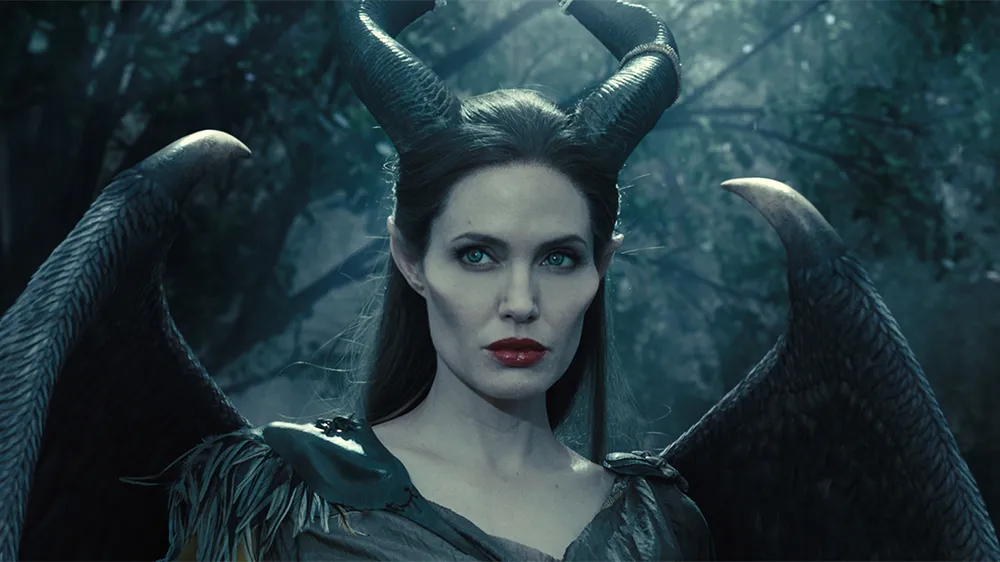
If Wicked: For Good captivated you with its reimagining of a so-called villain as a misunderstood heroine, Maleficent is the next natural stop on your cinematic journey. Much like Wicked reframes the Wicked Witch of the West, Maleficent flips the script on one of Disney’s most feared antagonists. Angelina Jolie delivers a layered, poignant portrayal of a woman reduced to a caricature by legend, only for the truth behind the myth to reveal a story of betrayal, resilience, and reclamation.
The parallels to Wicked run deep. Both films challenge audiences to question the narratives we inherit: Who gets to be called “wicked,” and why? In Oz, Elphaba’s reputation is crafted by powerful institutions determined to control the story. In the Moors, Maleficent is rewritten as a monster by a king eager to justify his own cruelty. These women become public enemies not because of what they are, but because of what they threaten. Their power disrupts the existing order, and their refusal to conform makes them dangerous in the eyes of men who fear them.
Maleficent also mirrors Wicked’s exploration of the complexities behind magic itself. Both women possess extraordinary abilities that are intimately tied to their emotional lives. Their power is both a gift and a burden both weaponized against them by others, yet ultimately reclaimed as part of their autonomy and identity.
At its core, Maleficent is a story of misunderstood motives, broken trust, unexpected love, and the slow, painful journey toward forgiveness and self-definition. It invites viewers to look beyond the surface of villainy and consider the wounds that shaped it.
Watching Maleficent after Wicked feels like entering another universe where the “evil witch” finally gets to take back her narrative. It’s a reminder that sometimes the most iconic villains were just women whose stories were never told correctly in the first place.
Enchanted (2007)
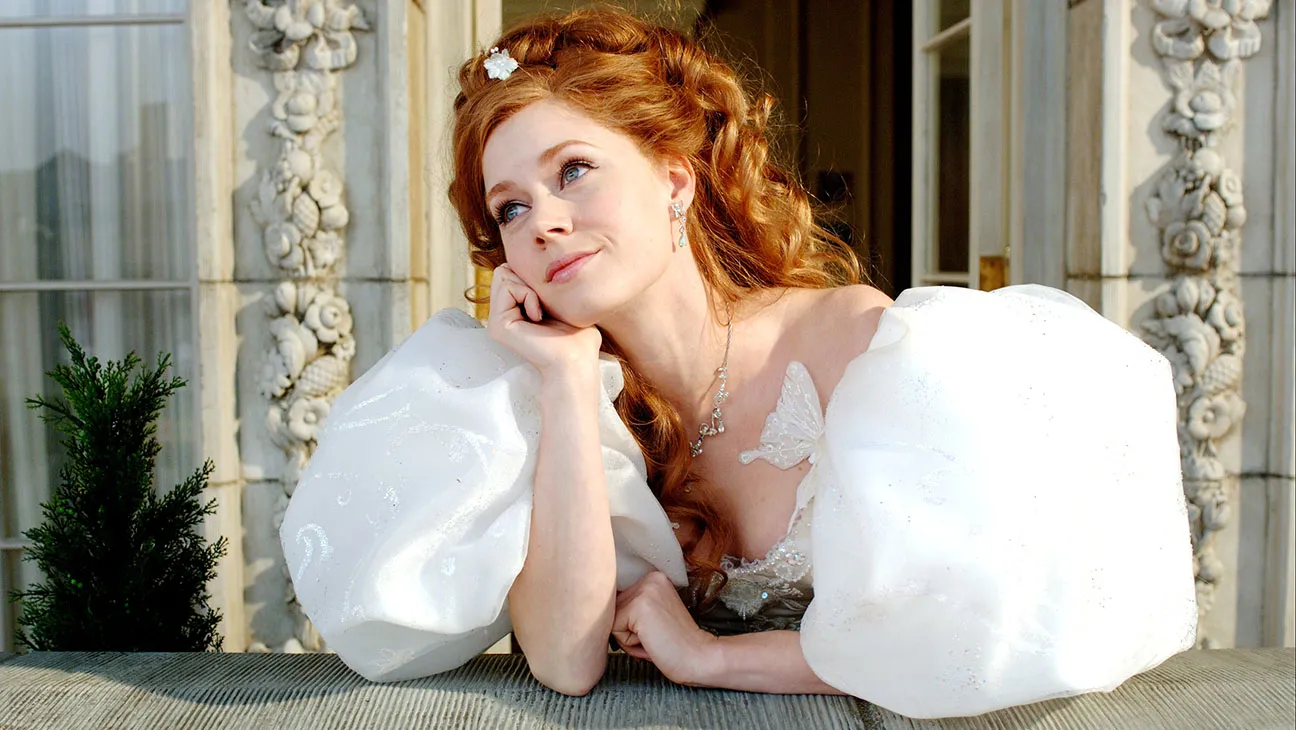
If you’re craving something whimsical and effervescent after the emotional highs of Wicked: For Good, Enchanted is the perfect magical reprieve. While lighter in tone, the film shares surprising thematic DNA with Wicked especially its playful interrogation of fairy-tale tropes and the line between fantasy and reality.
Amy Adams’ Giselle arrives in modern-day New York after being cast out of her animated fairy-tale kingdom, much like how Elphaba finds herself thrust into roles and worlds she never imagined. Her wide-eyed innocence and unwavering belief in magic echo early Glinda, while her journey toward self-sufficiency and agency mirrors the personal awakening Elphaba undergoes once she stops letting others define her story.
Where Wicked asks audiences to reconsider everything they thought they knew about Oz, Enchanted does the same for Disney-style fairy tales. It lovingly parodies the genre’s clichés: the true-love duets, the animal sidekicks, the saccharine optimism, while also celebrating the wonder that makes them timeless. This self-awareness creates a bridge back to Wicked, which thrives on reframing and re-examining iconic characters and songs from The Wizard of Oz.
The film’s portal fantasy element also resonates with Wicked fans, inviting viewers to imagine what happens when magical beings collide with human complexity. Giselle’s transformation like learning to balance her fairy-tale idealism with real-world emotions, parallels Glinda’s own shift from sheltered charm to hard-earned wisdom.
Even its musical numbers feel like cousins to Wicked’s show-stopping moments, full of vibrant spectacle, sweeping choreography, and emotional beats that progress the characters’ inner journeys.
Ultimately, Enchanted is a joyful reminder that fairy tales evolve, stories can be rewritten, and magic — much like in Oz — exists wherever we allow it to. After the weightier themes of Wicked, this film offers a delightful, self-aware breather while still honoring the transformative power of storytelling.
The Witches (1990)
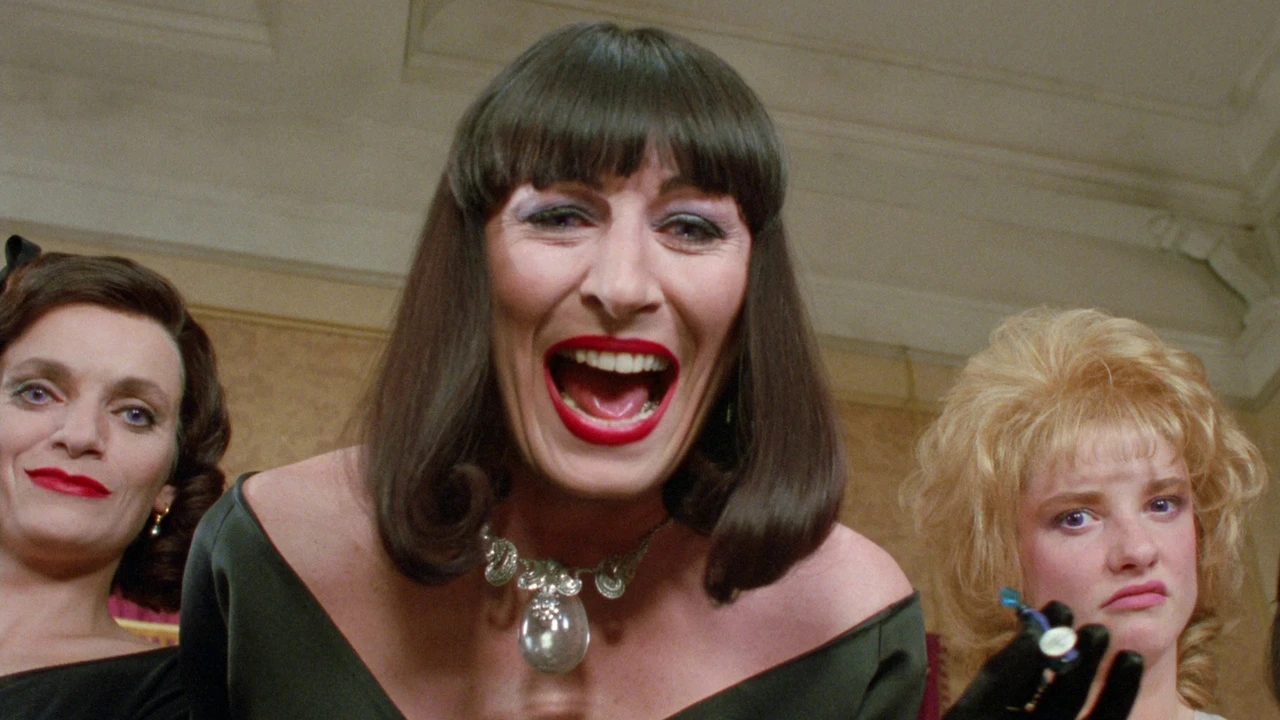
For fans of Wicked: For Good who crave a darker, campier exploration of witchcraft, The Witches (1990) delivers a deliciously sinister take on magical outsiders. Based on Roald Dahl’s novel and brought to life with unforgettable practical effects and Angelica Huston’s iconic performance as the Grand High Witch, this film captures the same uneasy tension between fear, power, and the stories societies tell about witches.
What makes The Witches especially compelling for Wicked fans is how it plays with perception and propaganda. Just like in Oz, where the Wizard’s regime controls the narrative about Elphaba, turning a courageous young woman into a public enemy, The Witches hinges on the idea that witches are defined entirely by the tales others tell about them. The Grand High Witch embodies the exaggerated, monstrous figure that Elphaba is made out to be in Oz’s propaganda posters: a villain constructed to justify fear.
But beneath that theatrical evil lies a deeper thematic resonance. Both films examine how society turns its anxieties into stories about women with power. The witches in Dahl’s universe are feared partly because they operate outside the rules of the everyday world, much like Elphaba, whose abilities and independence threaten the Wizard’s control. And while The Witches treats its coven as genuine villains, the narrative still underscores how quickly a community can turn magic into a myth of danger.
Visually, the film also captures a tone that will feel familiar larger-than-life costumes, dramatic transformations, and a world where enchantment and menace coexist. It’s the same heightened theatricality that makes Wicked’s Oz feel both fantastical and unsettling.

Watching The Witches after Wicked: For Good invites viewers to think more critically about how stories of “wicked women” are formed. Whether they’re misunderstood rebels or genuine antagonists, witches in fiction often reflect cultural fears and fantasies. This film offers a delightfully creepy lens through which to explore and continues the conversation Wicked starts about who gets to be feared, who gets to be adored, and who gets to write the legend in the first place.
Eve’s Bayou (1997)
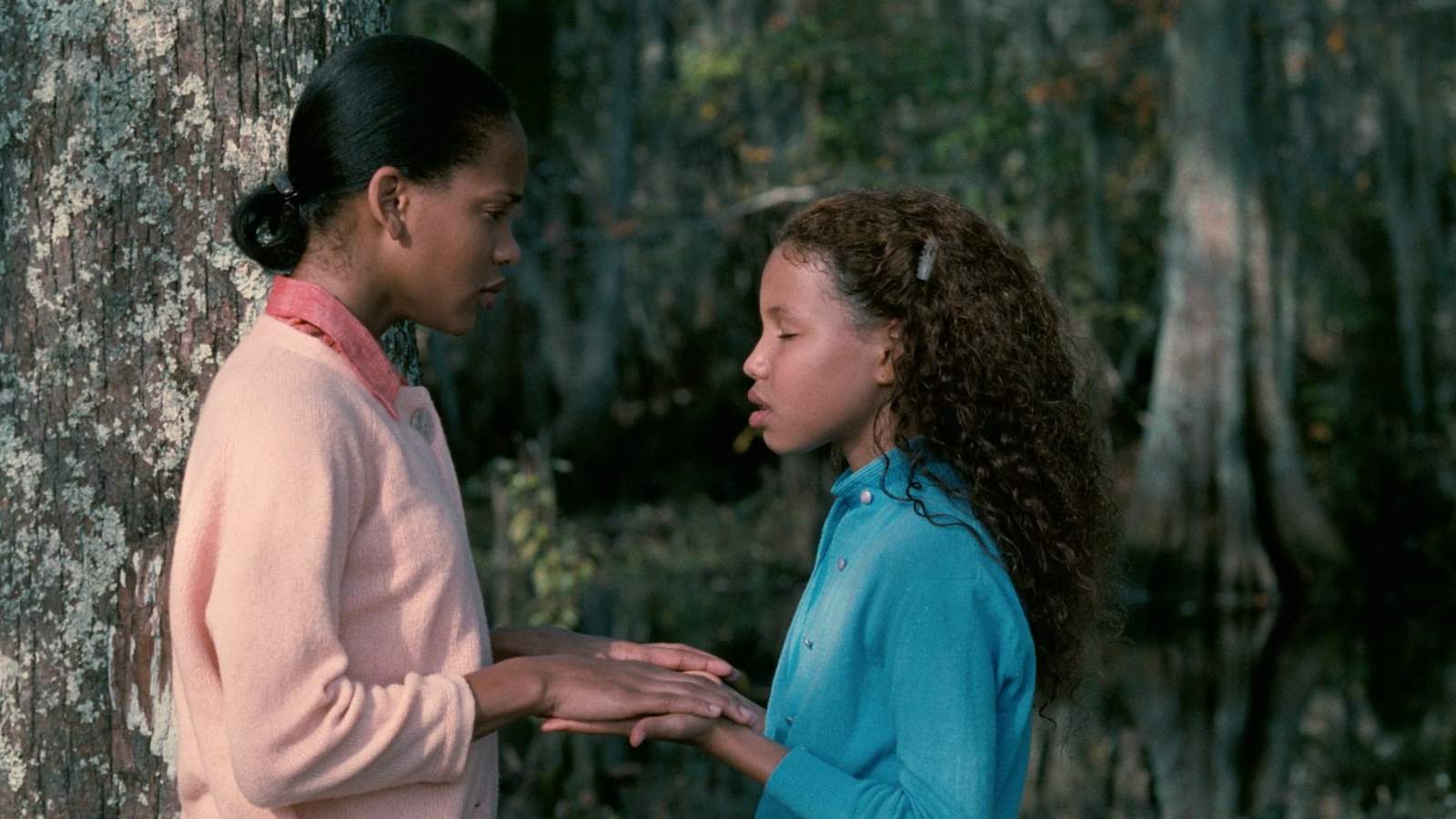
While Eve’s Bayou isn’t a witch film in the traditional sense, its lush Southern Gothic atmosphere, ancestral magic, and exploration of women’s intuition make it spiritually aligned with the core themes of Wicked: For Good. Kasi Lemmons’ masterwork taps into a different kind of sorcery one rooted in memory, myth, and the emotional truths that shape a girl’s understanding of her own power.
At the center is young Eve Batiste, whose coming-of-age is interwoven with visions, secrets, and the inherited mysticism of the women around her. Her aunt Mozelle, a clairvoyant whose gift both blesses and curses her, reflects the same duality Elphaba faces with her own abilities: power that isolates, intimidates, and illuminates all at once. Both stories treat magic not as spectacle, but as an extension of intuition, pain, and personal history.
The film’s treatment of misunderstood women also resonates with Wicked’s core narrative. Just as Elphaba is misread and weaponized by a society desperate to simplify her complexity, the women of Eve’s Bayou navigate a community eager to define them — wives, witches, seers, sinners — without ever asking who they truly are. Eve, like Elphaba, inherits a world full of secrets and expectations and must learn how to wield her own voice even when adults try to silence or redirect it.
Where Wicked reframes a familiar legend, Eve’s Bayou shows how legends are born and how a single act, misunderstood or misremembered, can echo through time and transform into myth. The film’s exploration of memory and perspective mirrors Wicked’s central question: Who gets to tell the story? And what happens when the truth is more complicated than the legend?
Ultimately, Eve’s Bayou complements Wicked by showing another young heroine caught between destiny, intuition, and a world that fears the power she might grow into. It’s a haunting, intimate, and magical portrait of a girl discovering not only what she sees, but what she believes.
The Craft (1996)
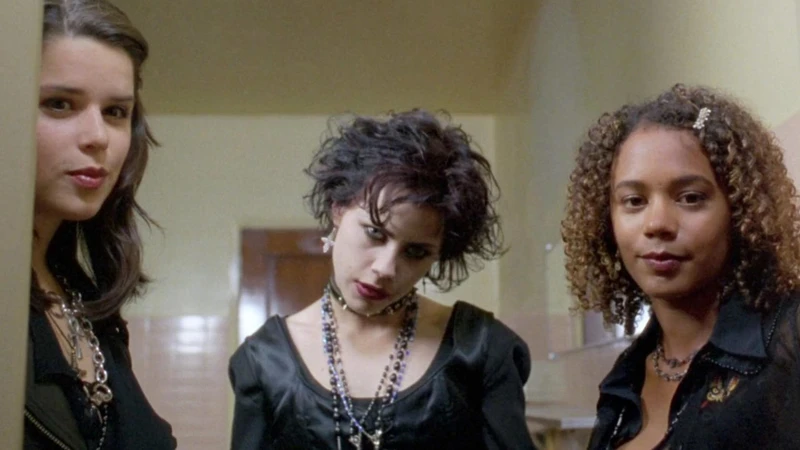
If Wicked: For Good left you fascinated by stories of young women awakening to immense power in a world determined to control or punish them, The Craft is an essential watch. This cult-classic 1996 film follows a group of teen outcasts who discover witchcraft and themselves through a sisterhood forged on the fringes. It’s angsty, stylish, supernatural, and brimming with the same rebellious spirit that fuels Elphaba’s journey in Wicked.
At the heart of The Craft is Sarah, a new girl who arrives at a school where she’s immediately labeled different. Her outsider status mirrors Elphaba’s own alienation at Shiz University marked not by green skin but by intuition, empathy, and raw magical ability she barely understands. Like Elphaba, Sarah doesn’t seek power for dominance; instead, she’s pulled into a world of magic as a way to navigate trauma, vulnerability, and the desperate desire to belong.
The film also taps directly into Wicked’s critique of social hierarchies. Just as Elphaba challenges the Wizard’s corrupt system, the girls in The Craft disrupt the rigid popularity structures of their high school. Their magic flips the social order, exposing how quickly power can transform both the oppressed and the oppressor. The tension between empowerment and corruption is central to both stories, where the line between liberation and destruction is razor-thin.
Nancy, the film’s most electrifying character, reflects a darker mirror of Elphaba’s arc. She too becomes a symbol of fear and chaos, but unlike Elphaba, whose radicalism is grounded in justice, Nancy’s pain curdles into vengeance. Her descent echoes how easily a misunderstood woman can be labeled “wicked,” regardless of the truth behind her actions.
Ultimately, The Craft explores the consequences of unchecked power, the fragility of sisterhood, and the cost of becoming the person the world insists you are. Watching it through a Wicked lens illuminates how stories of magical young women reveal deeper cultural anxieties and how reclaiming one’s identity, even at great risk, is an act of defiance as potent as any spell.