Throughout American history, Black people and women have served in the military with commitment and sacrifice, even in the face of inequity. Black women, in particular, have continually defended a nation that has not always defended us. By eliminating diversity programs and advancing a historical narrative rooted in white nationalism, the Trump administration has made attempts to effectively erase vital contributions of women from military memory. As an Army veteran, I see these erasures as a political act that diminishes the visibility of those who have served, and, sadly, shapes the stories future generations will inherit.
Recognizing and preserving this history is a moral obligation but also a national imperative. When the stories of any woman in uniform are erased, their sacrifices, struggles, and victories are as well. Honoring their legacy is essential to a complete and truthful account of American military history, especially while there is an on-going fight for equity and representation across all branches.
Arlington National Cemetery has removed information and educational materials from its website that highlighted the contributions of Black and women veterans. Among the removed content were tributes to veterans who had earned the Medal of Honor — the nation’s highest military award. This reflects a broader initiative under Trump aimed at dismantling diversity, equity, and inclusion (DEI) efforts across the military and the federal government.
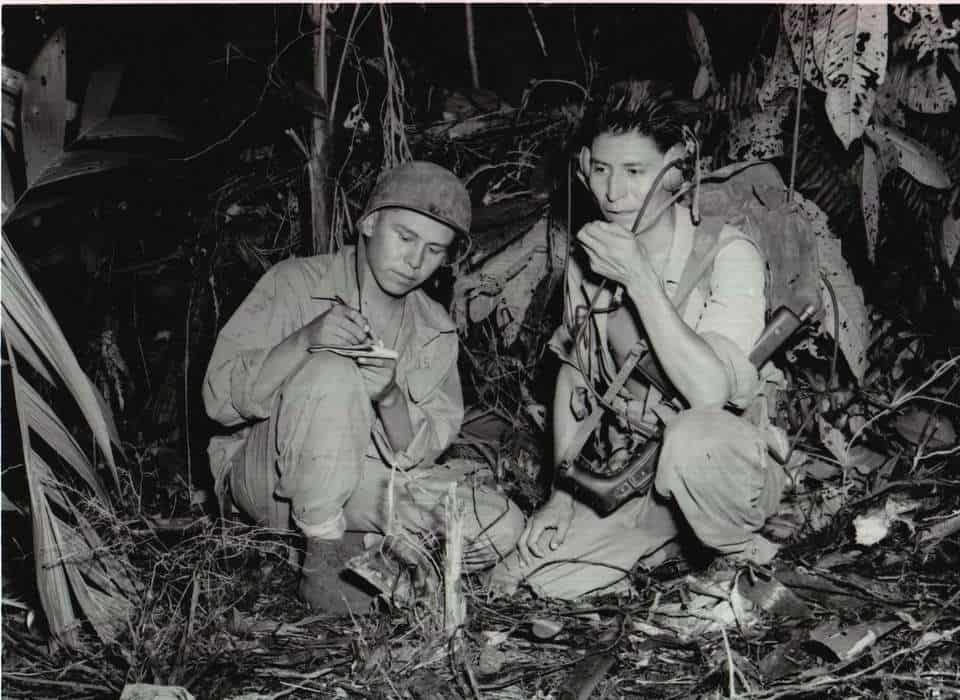
In February, content honoring Code Talkers, Medal of Honor recipients, and women who served in the Civil War, World War II, the Korean War, and the Vietnam War was taken down from various Pentagon and military service websites. While a few items — such as a Pentagon article about Medal of Honor recipient Army Maj. Gen. Charles Calvin Rogers — have since been reinstated, many other pages, particularly those spotlighting women and Native American service members during cultural heritage months, remain inaccessible. It should also be noted that some of the now-defunct URLs display only the letters “DEI,” signaling a targeted rollback of diversity, equity, and inclusion-related content.
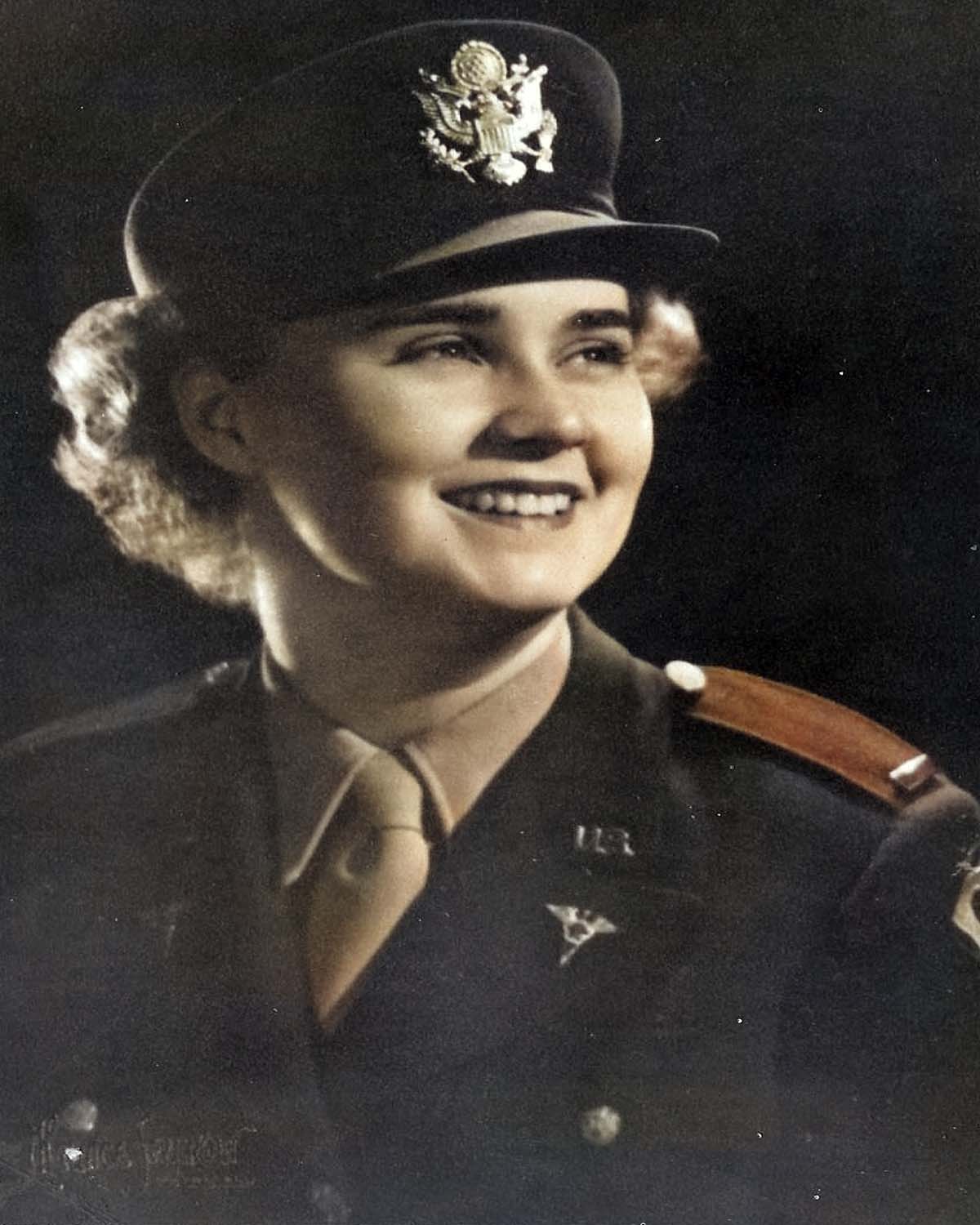
The removal of Black and women service members from public military history is more than an administrative act — it is an erasure of truth. The decision to strip websites of this content reflects a targeted dismantling of visibility for communities who fought for a country that did not initially fight for them. It’s an insult to their sacrifices and to the legacy they had to carve out for themselves.
Black people and women were not invited into the military with open arms. They entered a segregated, unequal system and still chose to serve. They carried weapons but also the burdens of racism, sexism, and exclusion. Yet they persisted, not only to protect their communities but also to lay claim to rights they were denied at home. Their commitment to something greater than themselves helped shape the liberties we benefit from today.
For me, this history is personal. I come from a family rooted in military service. Generations of my relatives wore the uniform, endured hardships, and answered the call, not just for themselves but for the future — for me, and for those who will come after me. To have their history quietly wiped away is to lose a piece of myself, and it threatens to sever the connection future generations of my family might have with our legacy of service. These stories are necessary threads in the fabric of who we are.
It’s important to acknowledge that for some Black people, the military carries a deep and complicated stigma, often connected to generational trauma and systemic mistreatment. These experiences are valid and cannot be dismissed. But even within that complexity lies power. To tell the full story of Black service members — both the pain and the pride — is to preserve the truth and ensure no one’s contributions are lost.
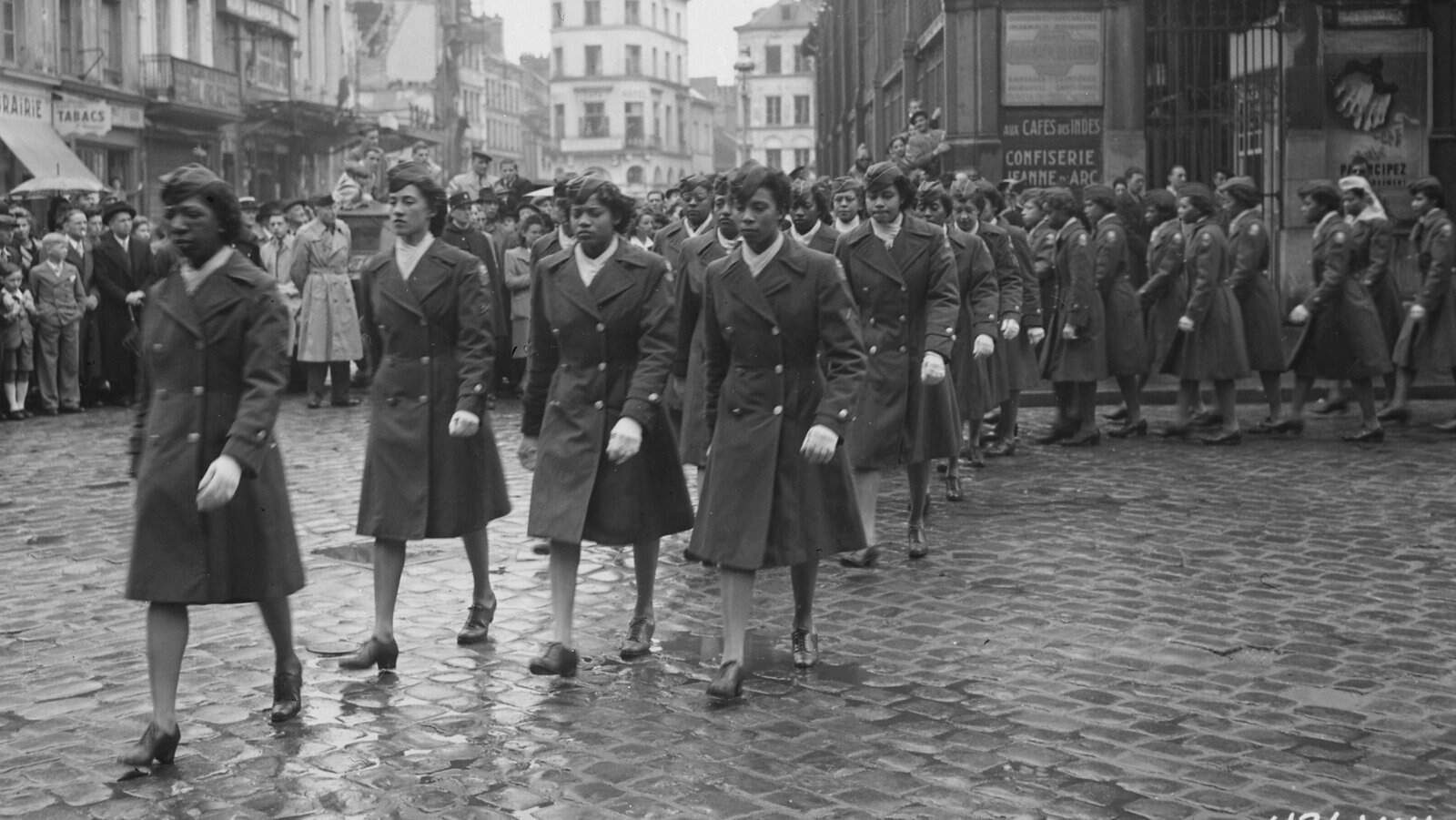
Oftentimes when we erase things from our memory, it can disrupt identity. It steals from us the right to know what our ancestors accomplished and endured. It also robs communities the pride that comes from knowing that our people were there, that we mattered, and that we shaped the course of this nation.
I’m not surprised, but I am deeply disturbed by the Trump administration’s decision to remove content that honors the service of people who look like me. I believe this is not an oversight. It’s part of a larger, calculated effort to rewrite American history in a way that recenters whiteness, masculinity, and a narrow version of patriotism that erases the very people who made freedom possible, while at the same time benefitting from their sacrifice.

Why would the Trump administration do this? Well, my belief is that acknowledging the truth challenges the myth. It disrupts the sanitized narrative of American greatness that he and his supporters seem to cling to — one where only certain people are seen as heroes and only certain stories are worth telling. To honor Black soldiers, women warriors, and Indigenous Code Talkers is to confront a history that doesn’t fit comfortably within the “Make America Great Again” ideology. It forces the nation to reckon with its ugliness — and with the truth that those most excluded from America’s promises have always done the most to defend them.
It’s a constant disappointment when diversity is seen as a threat. When inclusion is framed as division. When the military is used as a symbol of power, but not as a reflection of the actual people who built it and served within it. Let’s be clear: If you can erase the past, you can more easily control the future.
Our stories matter. Our service matters. No amount of digital deletion or political posturing can erase that. It’s not about what’s removed from a website — it’s about power, memory, and control. When history is selectively edited, it sends a message about who belongs, who is valued, and who is forgotten.
The military has long been a mirror of America’s values, and yes, its contradictions. While Black people, Indigenous people, and women have been historically marginalized, they’ve also been among the most committed to fighting for a country that frequently denied their full humanity. They deserve to be remembered and honored.