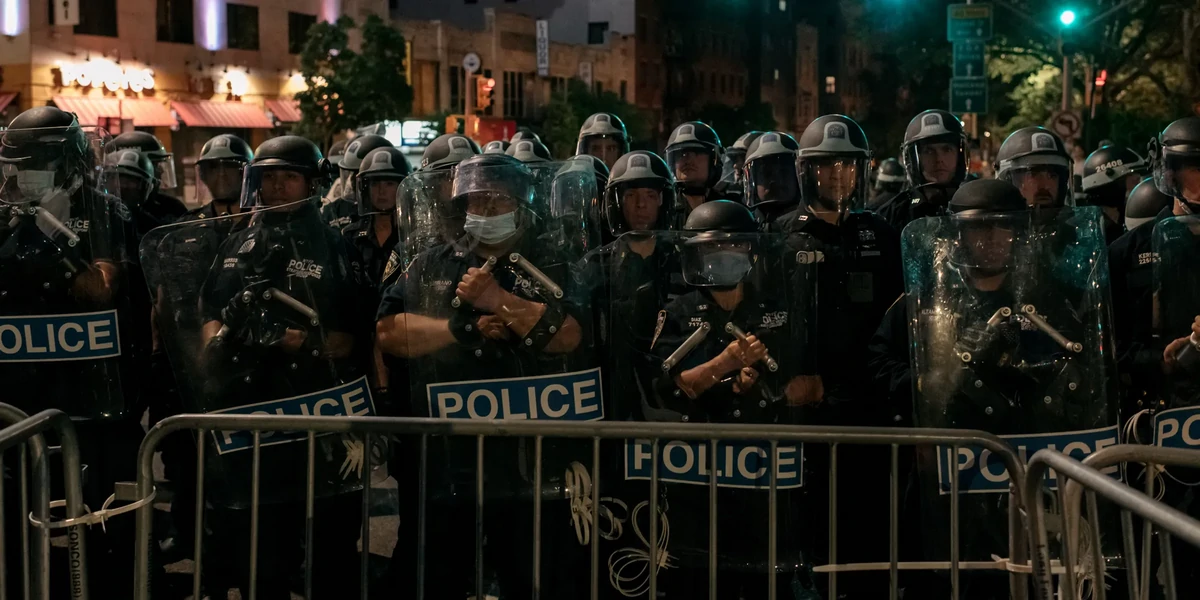
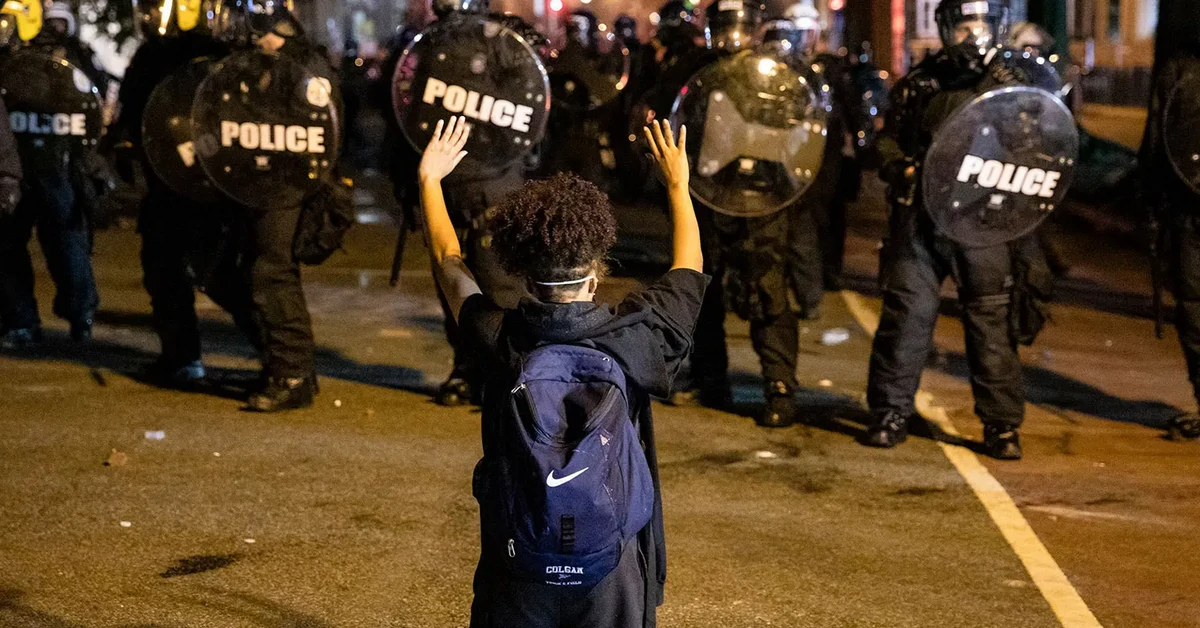
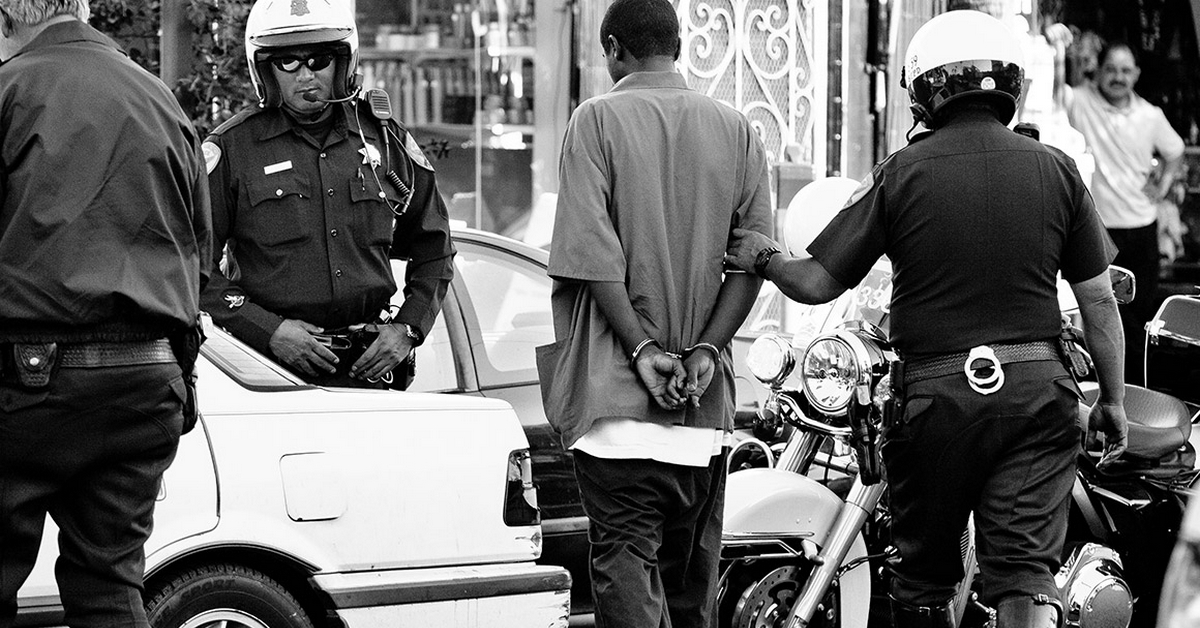
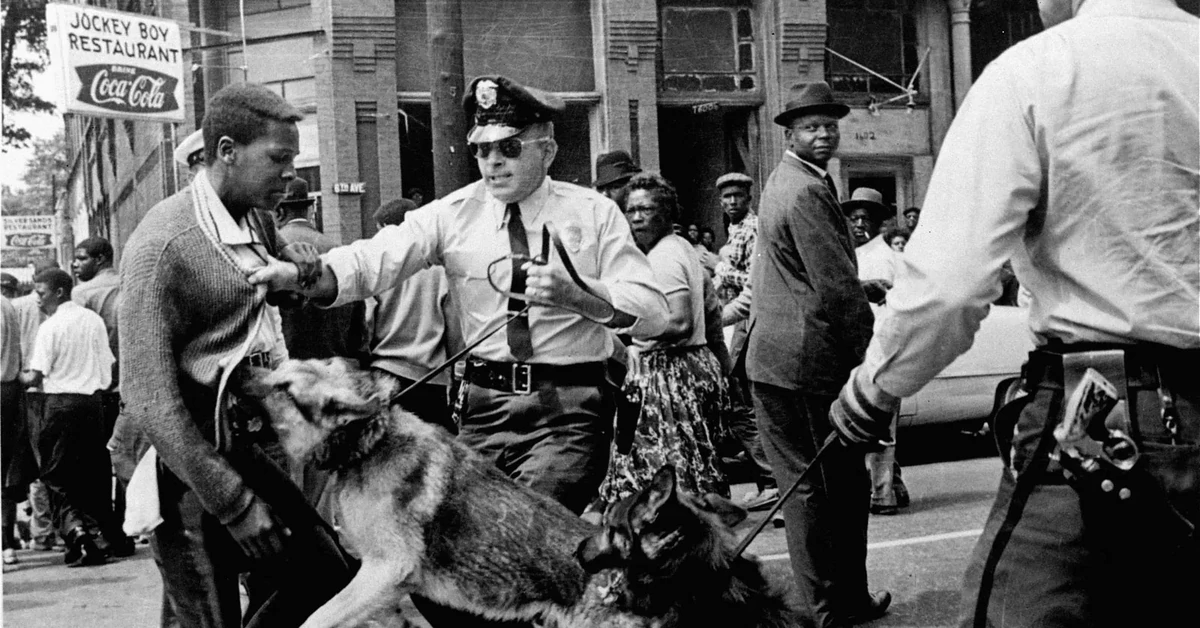
“The term ‘police brutality’ is sometimes used to refer to various human rights violations by police. This might include beatings, racial abuse, unlawful killings, torture, or indiscriminate use of riot control agents at protests.” — Amnesty International
Police violence and police brutality (the terms are related but not interchangeable) have resulted in a significant number of fatalities in recent years. As expected from a system in which institutionalized racism still runs rampant, these particular acts disproportionately affect minority communities. According to Campaign Zero, an American police reform campaign that aims to reduce police violence, more than 1,320 people were killed by US law enforcement in 2023, making it the deadliest year since CZ began collecting data.
An even more disturbing statistic is provided by Statista, stating that Black Americans face a higher rate of fatal police shootings compared to other ethnic groups, with a rate of 6.2 fatal shootings per million people between 2015 and October 2024. The rate for Hispanic people was considerably lower, standing at 2.8 per million. For comparison, the rate for white individuals stands at around 2.4 per million during the same period. These numbers highlight the ongoing issue of police violence and brutality in the United States, especially its disproportionate impact on minority communities.
However, while most of us understand what these numbers represent, what they mean, and how they indicate certain problems in the United States, children might have a difficult time understanding the concepts of police violence and brutality and how these issues might relate to race. Sadly, most parents approach these discussions with their kids only after tragedies about police brutality flood the news. However, those conversations often become inevitable once their young ones start asking questions. But how do you explain the issues of police brutality and race to children?
Those families who still haven’t had any substantial conversations with their kids about these topics should put a pin on discussing police brutality until they’ve discussed the foundations of what race is. You might think that race and racial issues are too complex for your seven-year-old to understand, but you’d be surprised, as research indicates otherwise. According to the National Institute of Health’s (NIH) research, infants and young children are capable of perceiving and responding to racial differences from an early age.
Studies have shown that by six to nine months, infants exhibit a preference for faces of their own race over those of other races, which is often referred to as the “other-race effect.” Additionally, research also suggests that children as young as three to five years old actually develop racial biases, which often aren’t reliably related to their parents’ beliefs. This is particularly true with white kids because 75% of white parents (three out of four) never or almost never discuss race, believing that children don’t notice race.
Of course, these numbers don’t imply that children are inherently prejudiced (though they may be); they simply indicate that children do notice differences. Moreover, approaching the discussions about race by diving right into systematic racism can unintentionally convey that being Black is solely about experiencing trauma. It’s really important to avoid this message regardless of your child’s skin color, ethnicity, or racial identity.
So, you can begin discussing race with your kids as early as three to five years old. Good approaches might involve focusing on the concept of differences in a non-judgmental way and covering different physical traits people have, such as skin color, hair texture, and eye shape, without adding any value judgment. It’s also really important to avoid colorblindness and “we’re all equal” arguments because they might imply that differences are something to ignore or to be ashamed of. Instead, teach your kid to acknowledge and celebrate diversity.
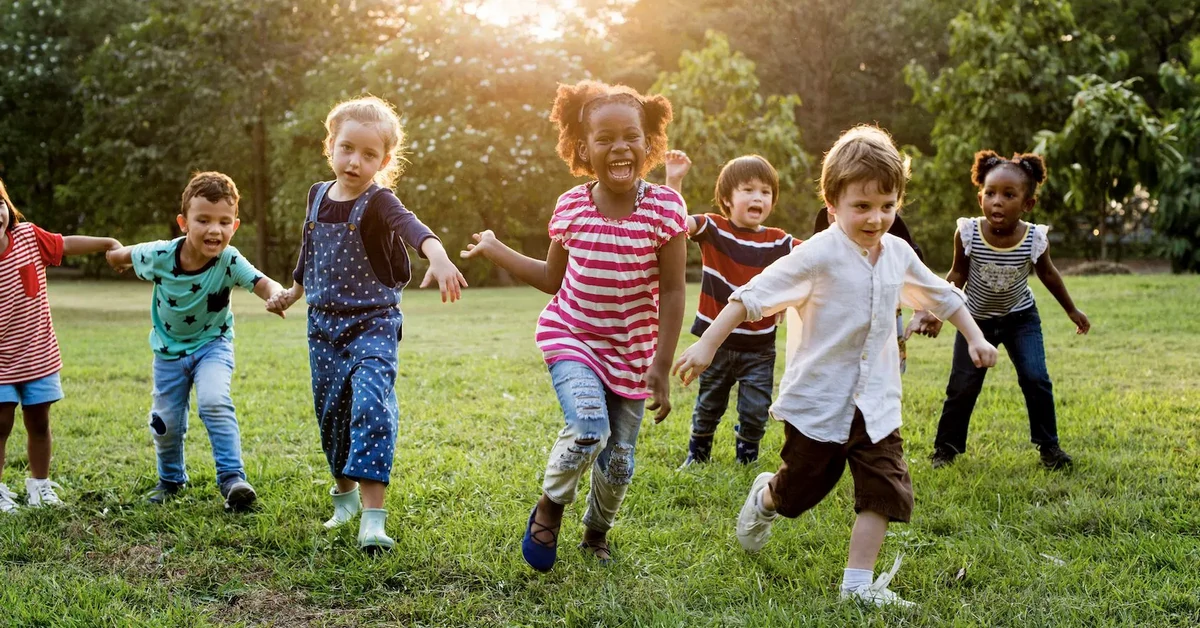
Using books and other resources, encouraging an open dialogue, and exposing your children to diverse communities can help with developing a healthy attitude, understanding, and respectfulness towards diversity. This can pave the way for further discussions about police violence and brutality in the context of race. However, the right time to discuss police brutality isn’t as easy to pinpoint because such discussions require understanding of the difference between good and bad, fairness, justice, and respecting others.

Fortunately, children grasp many principles of fairness by the age of three or four, though their behavior may not always reflect such understanding. However, they might not understand other concepts, which is why it’s best to discuss police brutality when your child inquires about it. This usually happens when they encounter news stories or discussions about police brutality. Remember, children understand fairness, so you can explain to younger children that police brutality is when law enforcement treats someone unfairly.
And while they might perceive race at an early age, they might not fully understand the concept of systemic racism, its historical context, and its correlation with police brutality at such a young age. So, while your child may be able to grasp both concepts, it might struggle to find the connection between the two. Also, make sure to give age-appropriate responses; if hearing certain information seems scary and can be avoided, it may not be the best time to have such discussions.
For children that are 8 to 10 years old, you can provide a more elaborate definition of police brutality (the one provided at the beginning) and more context about the history of racial inequalities in the US and how it links to police brutality and statistical data we provided in the opening paragraphs of this discussion. However, if your child is younger or not emotionally ready for such conversations, it’s best to wait until they’re more mature.
In the end, while there isn’t an exact age at which you should discuss police brutality and race with your kids, such conversations shouldn’t be a one-time event. It’s really important to revisit these discussions as your child grows and gains experience. These ongoing discussions will teach and empower your child to navigate the complex world of empathy, awareness, and courage to stand up for what’s right. They may perhaps lay the groundwork for a generation of kids better equipped to create a more just world for all of us.