I couldn’t help but think of my own family in South Carolina as I watched the documentary Seeds at Sundance. We aren’t farmers, but the generational traditions and connection to family were just some of the themes that resonated with me. The shots of open land and the sound of nature made me want to call my grandma and set up a trip.
Seeds is Brittany Shyne‘s stunning directorial debut. The independent filmmaker from Dayton, Ohio, is exploring Black generational farmers in the American South in this documentary, which also highlights a 138-year-old African American centennial farm in Thomasville, Georgia. Seeds depict the complexity of everyday life by focusing on personal stories and cultural patterns of values, beliefs, and behaviors. Seamlessly Shyne weaves in bigger government issues by keeping it as close to home as possible. The film does a spectacular job weaving in frameworks of race, class, culture, identity, and family lineage.
What makes this documentary so special is the observational techniques Shyne uses to tell the story. She doesn’t allow her voice to be picked up too often. She is listening and watching, so the audience is listening and watching, learning with her. With an intimate lens, we are immersed in the rhythms of everyday life. Another highlight if this film is the cinematography. The rich black and white cinematography is perfect for this story. I loved it during the watermelon eating scene.
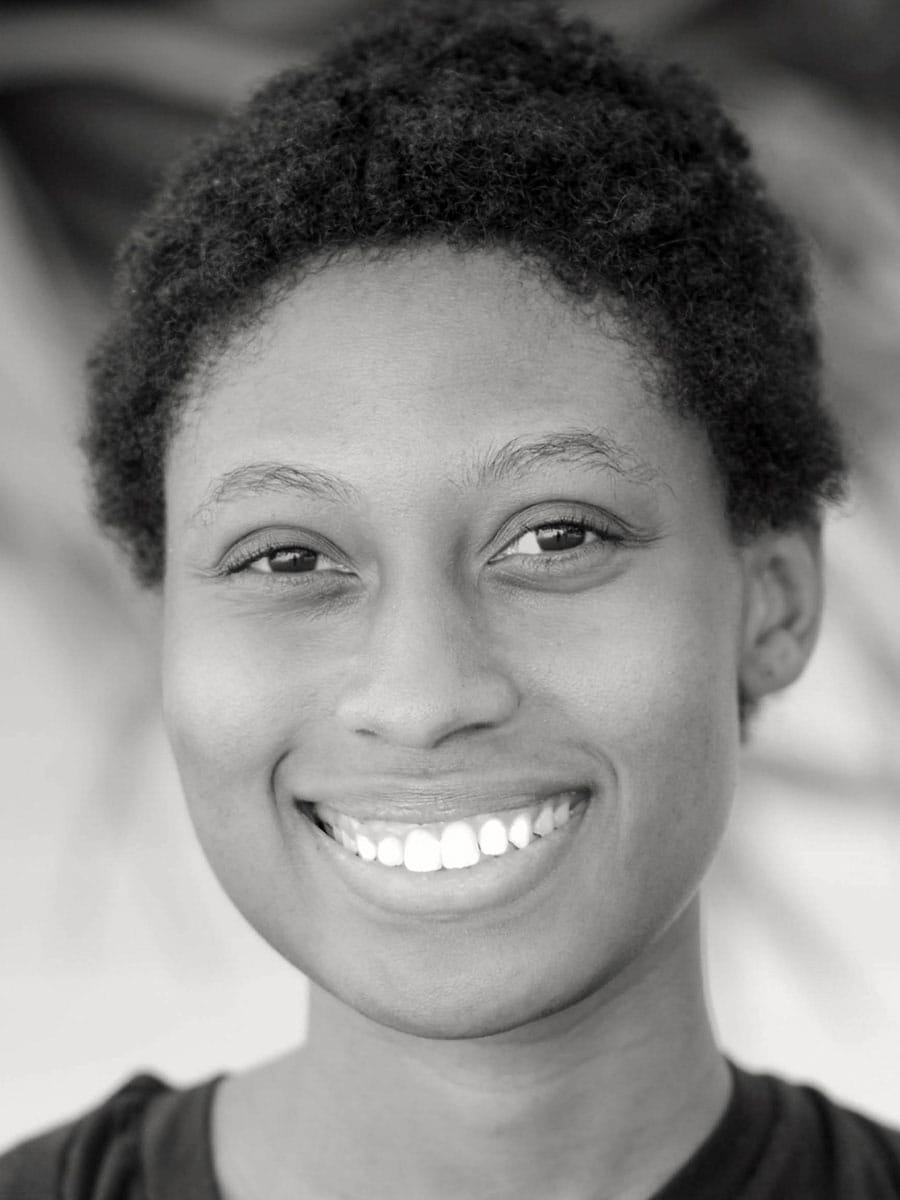
Black and white imagery also gives the film another layer of conversation as we learn more about the decline of generational Black farmers and the significance of owning land in the rural south. This point is even further hit home with talk about the discrimination of Black farmers versus white farmers from the United States Department of Agriculture (USDA). One of the statistics that highlights this point is that Black farmers owned 16 million acres in 1910, but today, that number has dwindled to just a fraction of that. The farmers in this community struggle to access funding that white farmers nearby seem to secure with ease. The dream of continuing to pass their land to future generations is at stake, and Shyne’s spotlight vividly and lovingly reveals the fragility of legacy and the significance of owning land.
Something that stood out a lot during the documentary was the relationships between a grandfather or grandmother and their grandchild. The generational gap is highlighted in such a positive way. Learning from your elders in a respectful and loving way is always the goal. Building those bonds at a young age was a beautiful thing to see on screen. Multiple generations were depicted in Seeds and it was empowering to see. Teens helping out the older men in the fields as they harvested watermelons or picked out the scraps from the black eyed peas was also a warming addition to the soul of this film. Not only are these kids gaining wisdom as they talk about life and lessons, but they are also learning how to possibly take over one day when the land is passed on to them and their kids. There’s also traditions to be learned when it comes to funerals, Sunday church, or the casual, food-filled barbecue.
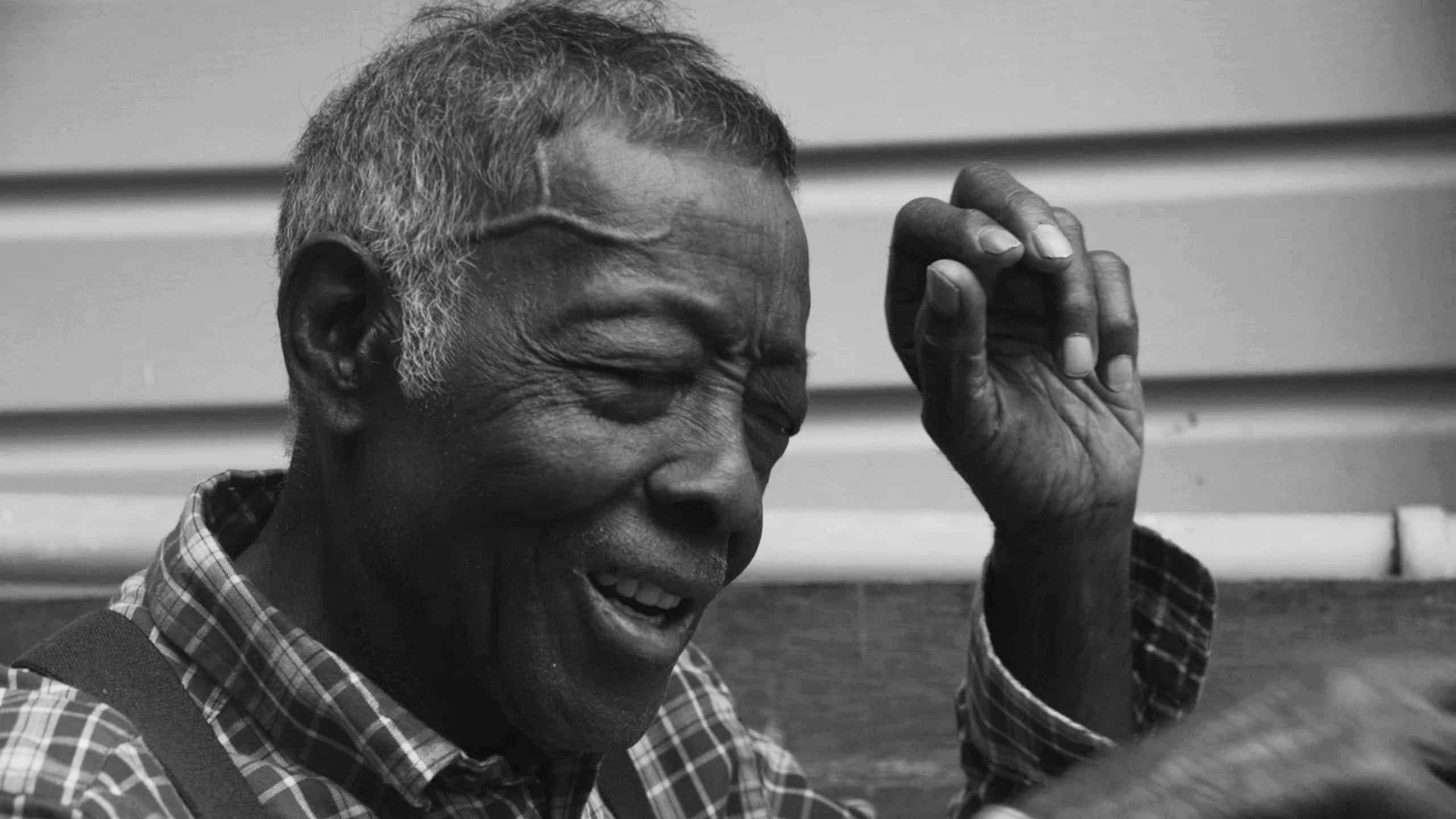
There are so many traditions and cultural moments in Seeds. It is a very calming film to watch. But, there’s also a touch of sadness around it as you watch and think of the lives these older women and men have led. What they had to endure and risk to get the land they have now. There is a significant metaphor between Blacks picking cotton by hands as slaves and Black farmers picking cotton by machine by choice. The amount of things farmed and produced by the collection of voices in this film is impressive. Sometimes it’s a one man show and sometimes it’s a family affair. One thing for sure is that Seeds is about the people and the family around you.

While visually stunning, the pacing of Seeds is slow. It reflects the country living we see on screen. Like we should be sitting on our front porch, with the wind blowing in our hair. There were moments I wanted to just close my eyes and listen. Seeds highlights the south in a positive light. There’s something special about conversations from your windows on the side of the road, and leaving notes on someone’s porch because you came by to say hello but they weren’t home. But nothing hit me harder than the dream one farmer had for his kids, grandkids, and great grandkids. He mentioned wanting to have land and grass the kids could play on instead of being locked up in an apartment looking out a window. I want that for the future and for my nieces and nephews. It was a profoundly resonating experience.
I hope more people, especially the young generations, get a chance to see this film and reflect. The film is screening at Sundance and is available online for the public January 30–February 2, 2025.