




On a podcast about climbing the corporate ladder in healthcare, an executive proudly attributed her success to “pulling herself up by the bootstraps.” Minutes earlier, she had mentioned her private education and the family wealth that cleared her path long before she ever “climbed” anything. The irony wasn’t clever, it was delusional. But that’s the paradox of success: we celebrate the myth of the self-made hero, even when the story is built on inherited power. It’s one of privilege’s most enduring disguises; the bootstraps myth worn to make inequality look like integrity.
Maybe that’s why Batman became the hero. His pain sounds noble, and his power looks earned. But what happens when that illusion of integrity disappears? Does the line between hero and villain begin to blur? Let’s take a look at the choices Gotham’s villains got right.
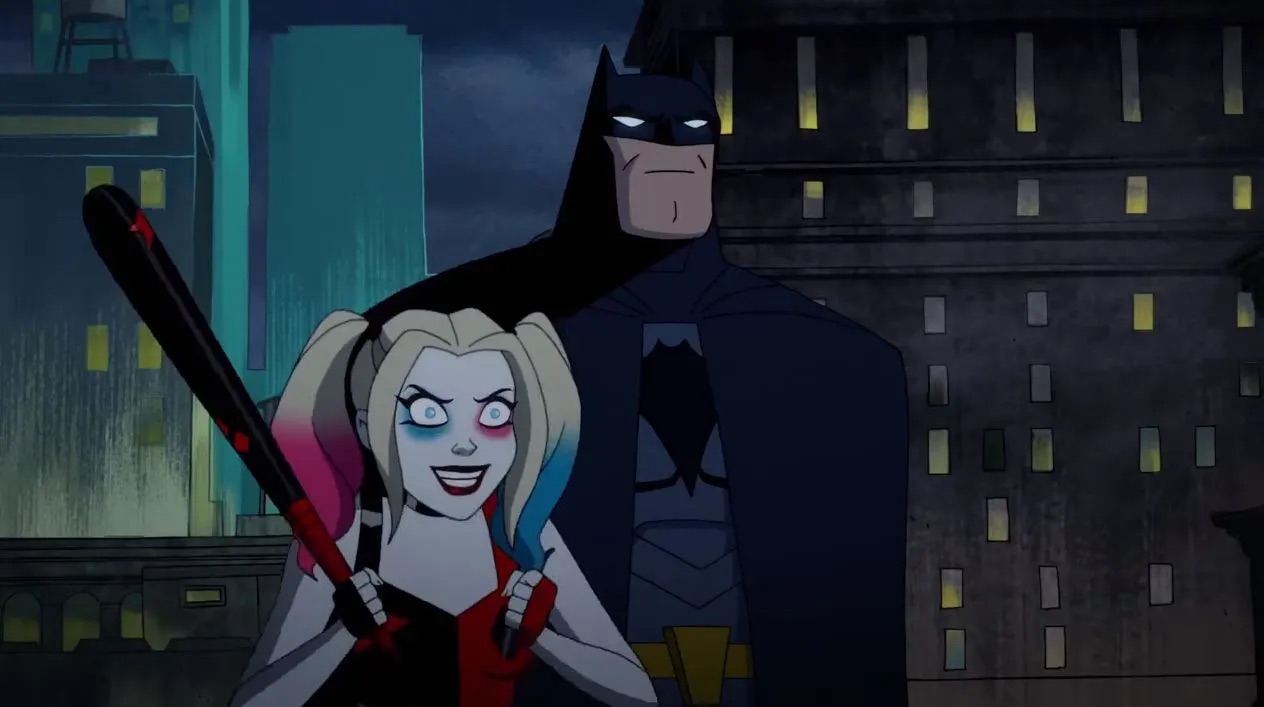
Harley Quinn
What is love without respect or boundaries? SZA sings it best in Kiss Me More: “Lovin’ you feels like jail, I can’t even exhale.” That’s not romance. That’s pathology. The same pathology that shaped Harley Quinn, a woman whose devotion became her prison and whose love was mistaken for madness. Arkham never tried to heal her; it wanted to control her.
In a city where pain isn’t heard unless the Bat-Signal shines on you, suffering becomes spectacle. Trauma becomes performance art, while healing becomes rebellion. Harley Quinn reminds us that sometimes chaos is the last language left when the world refuses to make sense. She was right to seek freedom, but wrong in how she took it. If Bruce Wayne’s trauma was weaponized into heroism, Harley’s was pathologized into madness. She could’ve stayed Dr. Harleen Quinzel — maybe even become her own kind of Batman — if love had been her cure instead of her cage.
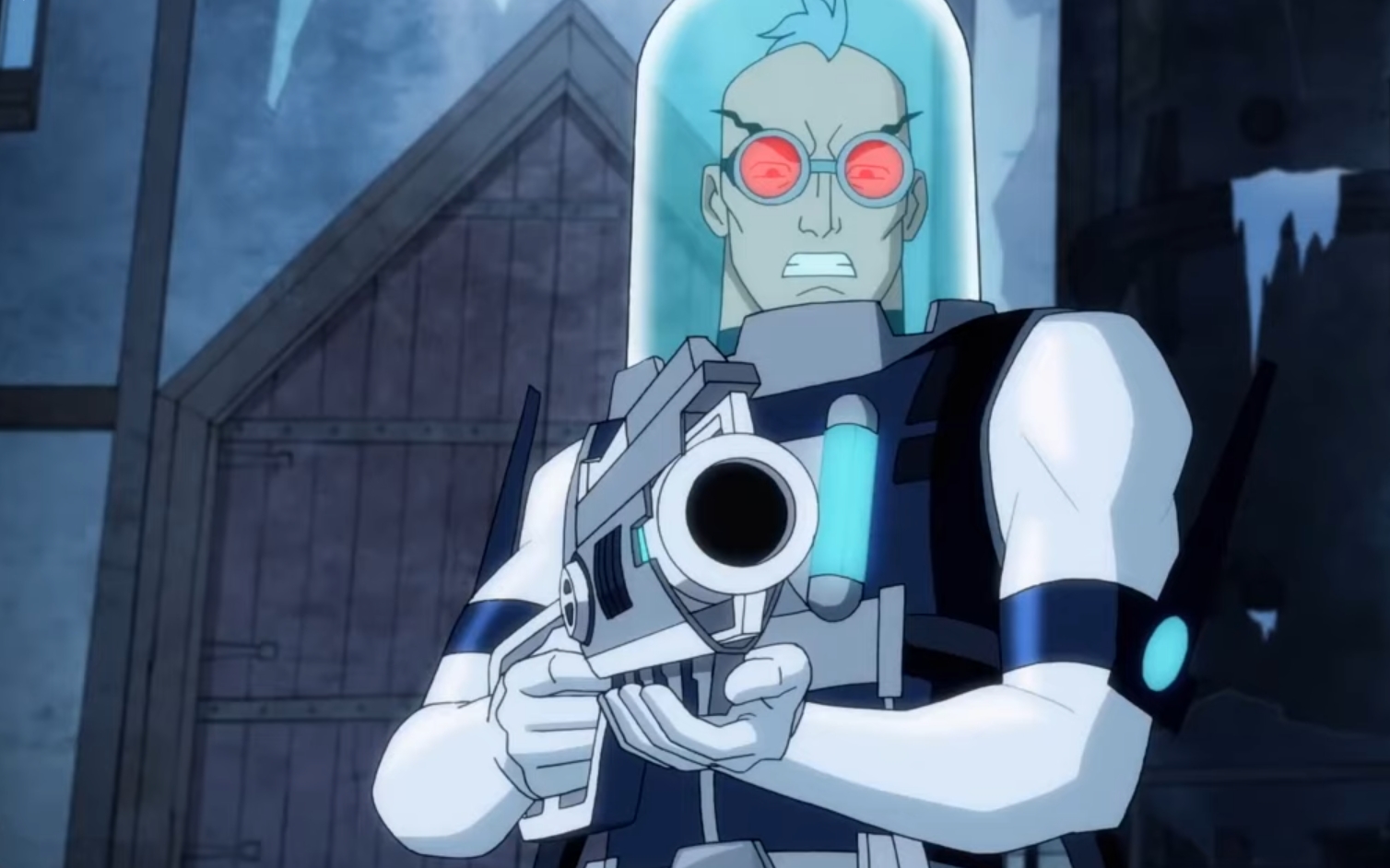
Mr. Freeze
Remember John Q, the film about a working-class father whose son will die without a transplant? Insurance refuses coverage, and he holds a hospital hostage so his child can live. What separates John Q from Mr. Freeze? Victor Fries is a devoted husband whose dying wife loses corporate funding for her experimental cure.
So what makes one man a hero and the other a villain? Both are fighting for someone society has deemed disposable. Their methods differ, but the message is the same: human life is worth more than profit. Mr. Freeze was right that a broken heart can rise up against injustice — but wrong in forgetting it isn’t the only heart breaking. Bruce Wayne had the resources to turn grief into a mission. Victor had nothing but isolation and cold. He could’ve been Victor Fries, the healer, if compassion had reached him before despair did.
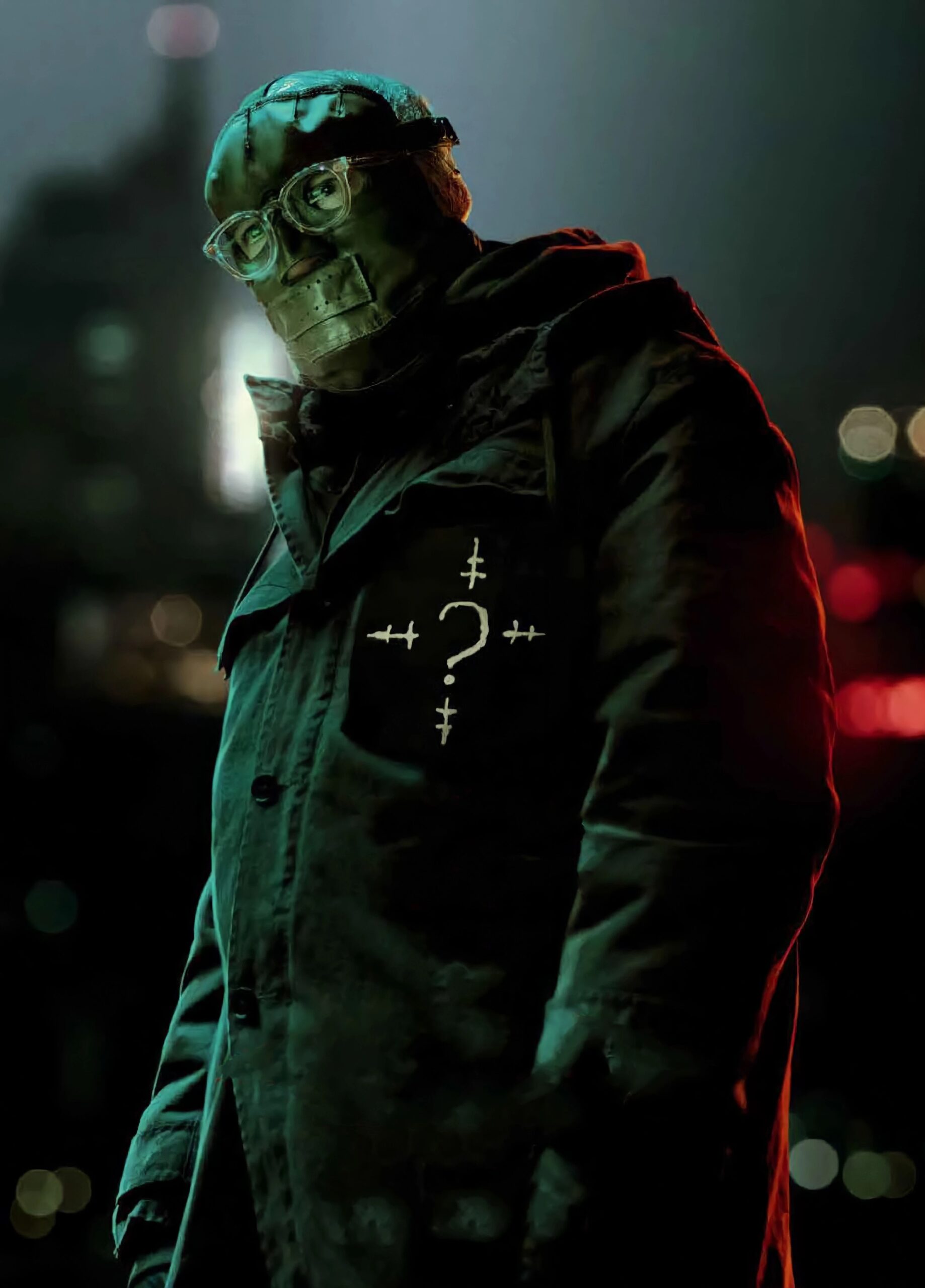
The Riddler
Two children lose their parents. One gets Alfred. The other gets Gotham’s neglect. Batman tries to stop corruption; the Riddler tries to expose it. And in a city where justice is bought and charity is performative, truth is the only real weapon. In theory, the Riddler wasn’t wrong.
But revelation without humility becomes self-righteousness. In his obsession with exposing Gotham’s elite, he mistook cruelty for clarity. At the bottom of the city’s corruption, he found the abyss inside himself. Maybe the real difference between them is simple: Bruce Wayne was taught how to grieve. Edward Nashton was left alone to drown in it.
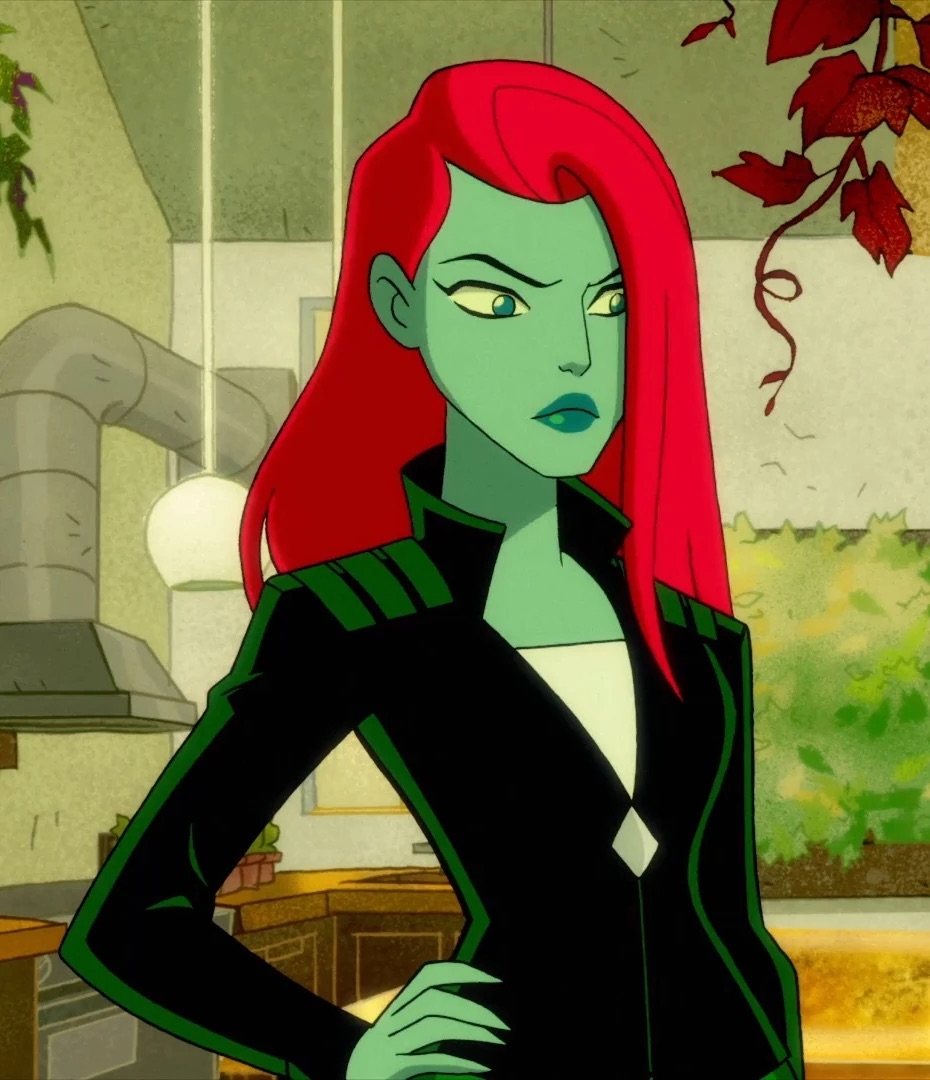
Poison Ivy
Solange Knowles creates worlds from emotion and art people overlook until it’s gone. Poison Ivy does the same for nature. She nurtures what most ignore, yet that system sustains everything alive. Dr. Pamela Isley is right: nature deserves reverence, and Gotham’s greed is a sickness killing the planet just as men once tried to kill her.
But Ivy’s solution is merciless. To erase imbalance, she erases humanity. Batman protects the city above; Ivy protects the roots that hold it up. She could’ve been Gotham’s Captain Planet, if people valued the living world the way they worship wealth.
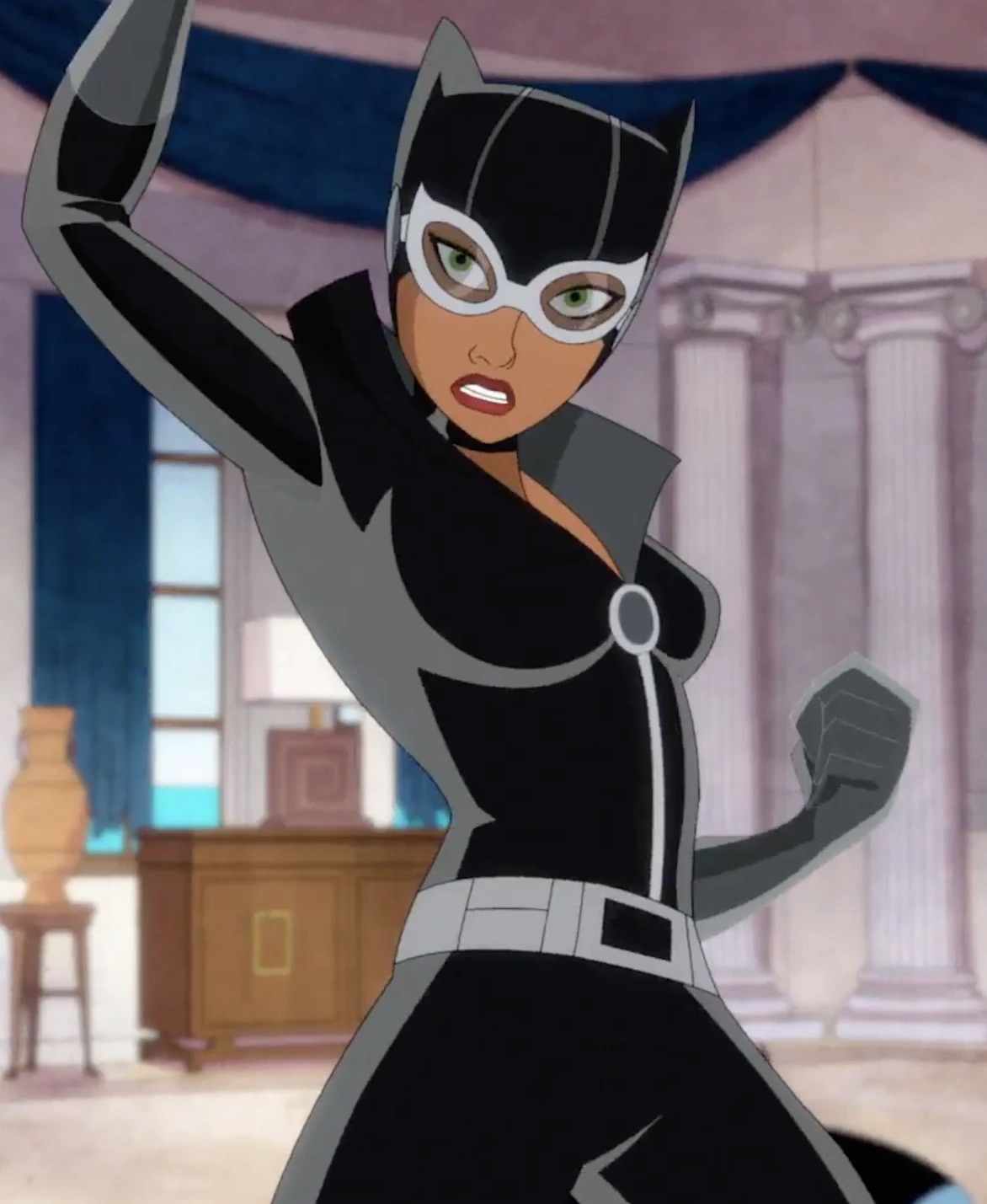
Catwoman
One of the greatest lines on Cowboy Carter is Beyoncé declaring, “Genres are a funny little concept… In practice, some may feel confined.” Her power isn’t just talent, it’s her refusal to be boxed in.

That same fluidity is Catwoman’s superpower. She thrives in the spaces she was never meant to enter. Her autonomy isn’t a crime. It’s a right. Bruce Wayne is a man with everything, trying to save everyone. Selina Kyle is a woman with nothing, trying to save herself. One man saves a city. One woman saves herself. But only one gets called a hero and that’s Gotham’s gendered tragedy.
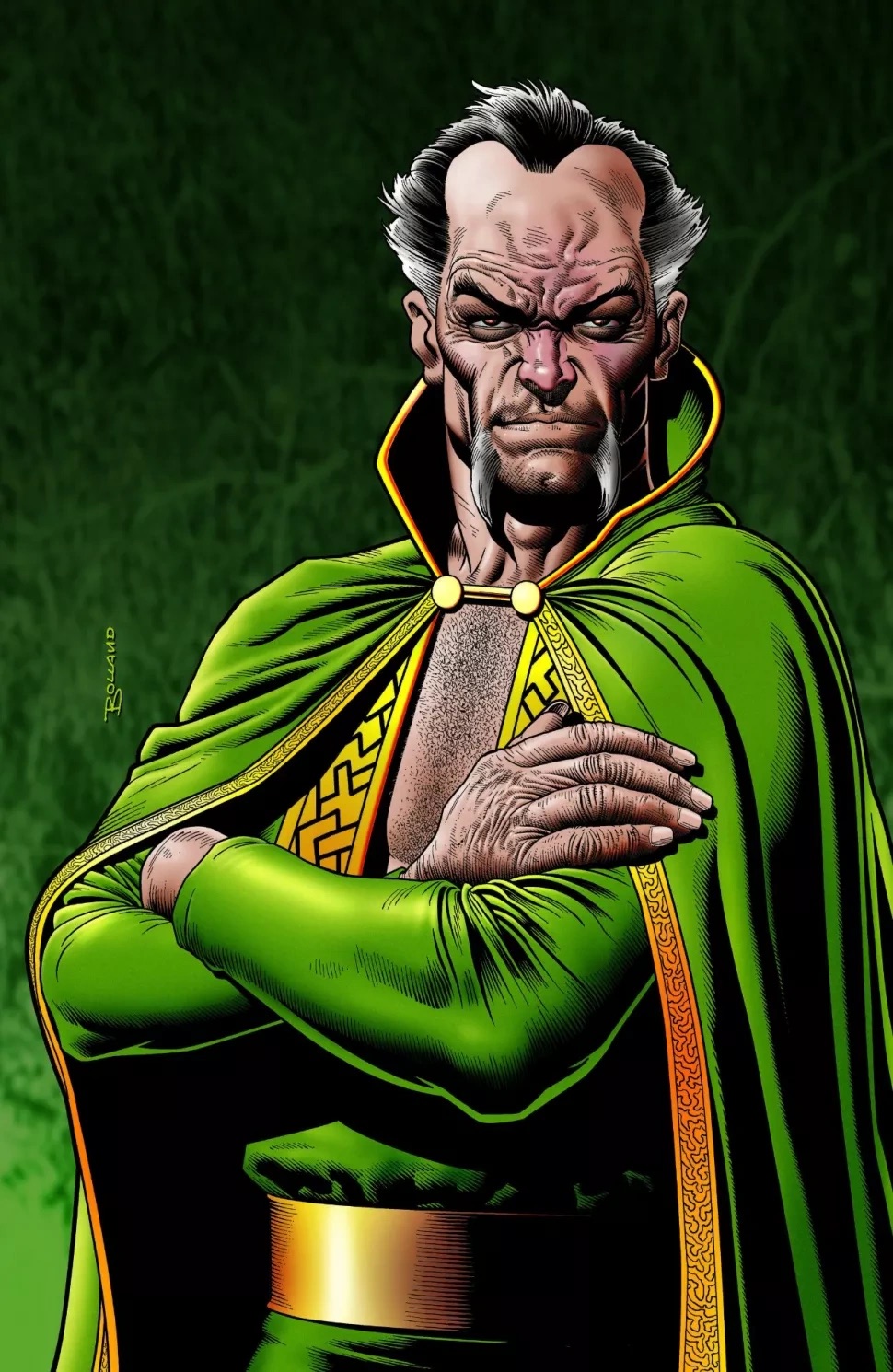
Ra’s al Ghul
Ra’s al Ghul is one of Gotham’s greatest missed opportunities; not because he’s evil, but because he was almost good. He understands what Bruce never fully grasped: justice without vision simply reinforces the broken systems it claims to challenge.
But his wisdom curdled into arrogance. He decided that seeing the truth meant only his truth mattered. That’s the same delusion behind the bootstraps myth. A refusal to admit the world is far more complex than one person’s worldview. Once he forgot that, Ra’s stopped trying to save the world and started trying to remake it in his own image.
That isn’t justice but it’s vanity posing as virtue. Ra’s al Ghul could’ve been a hero if his righteousness hadn’t convinced him that every cost was justified.