






It’s hard to put into words what it means to lose D’Angelo. Not just the man, but the sound, the feeling, the very essence of soul that he embodied. When news broke of his passing on October 14, 2025, following a private battle with pancreatic cancer, the collective gasp across the music world was almost tangible. The grief wasn’t just for an artist; it was for a movement and an energy that redefined what it meant to be real in rhythm and blues.
From the moment his 1995 debut Brown Sugar dropped, D’Angelo was the pulse of something new, something ancient and something spiritual. He fused the warmth of Marvin Gaye with the cool innovation of Prince, blending gospel, funk, jazz, and hip-hop into a genre that critics would later call neo-soul. But D’Angelo didn’t invent neo-soul to have a label, he actually lived it. It was in his DNA.
His follow-up albums Voodoo (2000) and Black Messiah (2014) were seismic shifts that pushed the boundaries of Black artistry. Voodoo made vulnerability sexy and raw; Black Messiah reminded us that soul could also be political, radical, and unflinchingly Black. Artists like Erykah Badu, Jill Scott, Solange, and even Kendrick Lamar carry his influence in every note that values truth over trend.
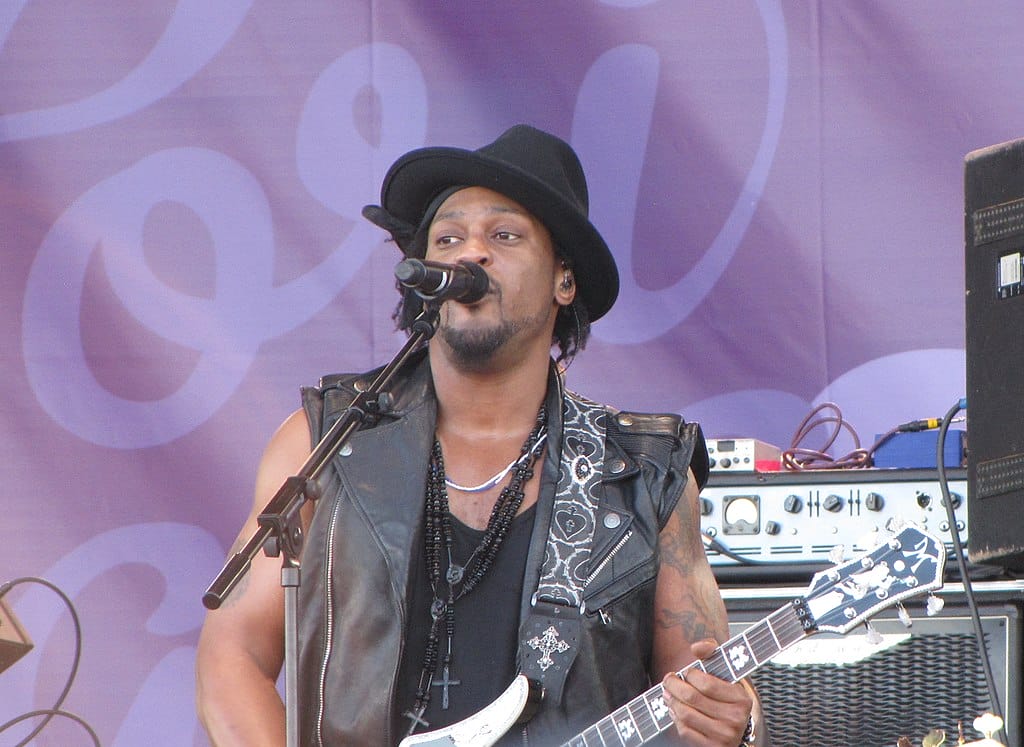
And then there’s that song “Untitled (How Does It Feel?)”. The track that redefined intimacy in music. The moment D’Angelo appeared alone on-screen, stripped down to his essence, it was less about shock and more about sincerity. That video was magnetic, sensual, and human. It wasn’t just a thirst trap (though, let’s be honest, it was that too); it was a statement about male vulnerability, about desire, about the body as art. The song earned him a Grammy and an immortal place in music video history.
When D’Angelo stepped back from the spotlight for years, fans didn’t turn away, they waited. Because when an artist gives you something that pure, that sacred, you don’t forget. You hold space.
Adding to the heartbreak of 2025 is the earlier passing of Angie Stone, the neo-soul icon and D’Angelo’s former partner, who died in March of this same year. The two shared both a romance and a musical lineage. Stone co-wrote and shaped parts of Brown Sugar, and together they became parents to a son who now carries both their artistic legacies. To lose both D’Angelo and Angie in the same year feels almost cosmically poetic. As if two soulmates in sound were always destined to take their final bow together.
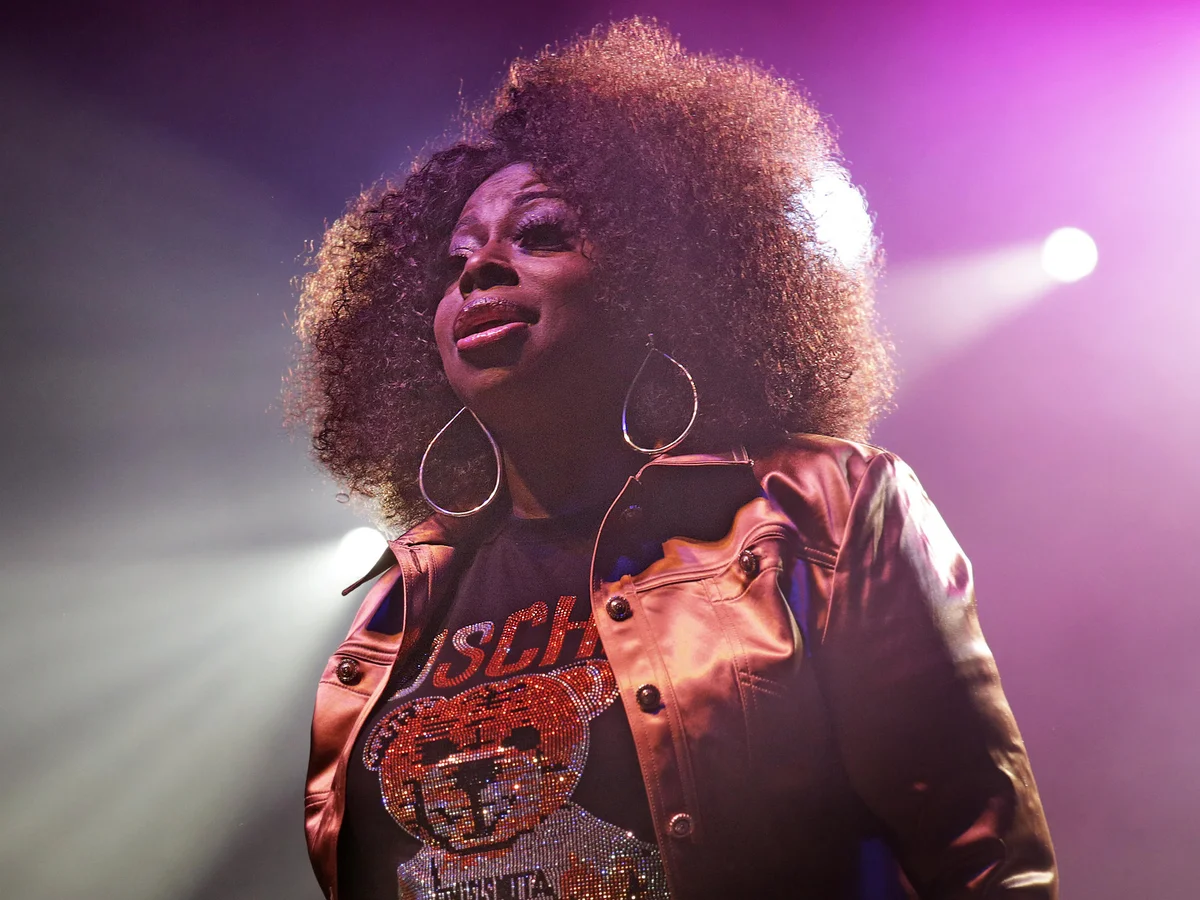
Their connection reminds us that neo-soul was never just about melody or groove, but it was about community, collaboration, and communion. These were artists who poured spirituality into song, turned vulnerability into power. They reminded us that soul music could be intellectual and sensual, political and personal, sacred and messy all at once.

D’Angelo’s legacy will never fade. He helped codify a sound that celebrated Black artistry in its most unfiltered form. A sound that continues to inspire new generations of musicians unafraid to tell the truth about love, pain, and resilience. Even now, his music feels like a living thing, breathing and evolving with every listener who presses play.
As we say goodbye to D’Angelo — and, by extension, to Angie Stone — we’re reminded that music isn’t mortal. The body goes, but the sound remains. Their voices, their harmonies, their spirit are forever stitched into the fabric of Black culture.
Because when D’Angelo asked us, “How does it feel?” we felt it then, and we’ll feel it forever.