




The election of Barack Obama as President of the United States in 2008 was a significant and historical moment for many Black Americans, and it was viewed as a monumental step in the ongoing struggle for civil rights and racial equality. However, many of us can remember being told in winks that Obama actually wasn’t our first African-American President; rumor has floated for some time that Abraham Lincoln was of a much “ruddier” complexion than those of his time — which could be attributed to his growing up in a log cabin as an outdoorsman.
However, those rumors could also be attributed to some people who believe that the complexion of Lincoln’s skin is tied to his “ethnic roots” going back to his Black lineage. Now, it’s time for us to finally explore these unsubstantiated rumors that have floated around for more than a century and cast some light on Abraham Lincoln’s relationship with race and slavery, as it evolved significantly during the course of his political career.
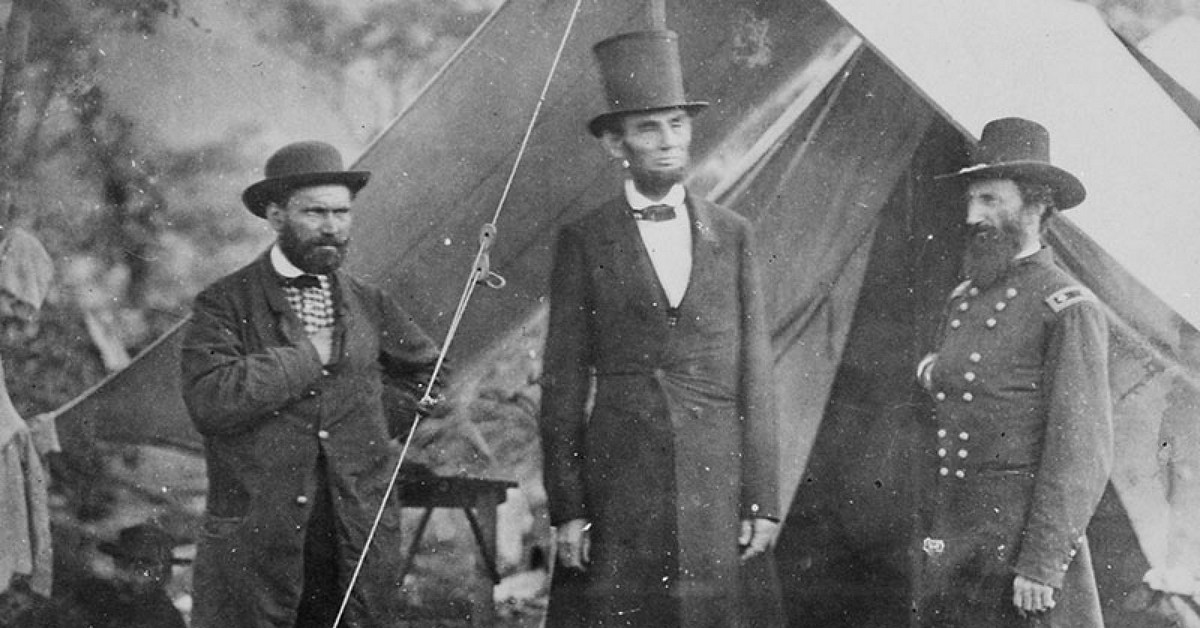
What makes this theory so fascinating is Lincoln’s role in the Civil War. As president, he led the Union against the Confederacy, a group of southern states that broke away largely to protect the institution of enslavement. His Emancipation Proclamation shifted the war’s moral purpose toward ending slavery, forever altering the course of the nation.
While southerners vilified him, prominent Black leaders like Frederick Douglass praised his evolving stance on racial justice, even while acknowledging that Lincoln’s early policies — such as his support for colonization of freed Black people to Africa— fell short of true equality.
2024 just so happens to be the 160th anniversary of one of the biggest political media hoaxes in US history. This story rather incredible similarities to the political scene of the 21st century and the age of disinformation that is currently taking over the media — including the web. It involved then-President Abraham Lincoln, a covert government program focused on miscegenation, pro-slavery politicians and republicans, and their newspaper editing marionettes. Apparently, fake news isn’t a novelty.
In February 1864, Abraham Lincoln’s re-election campaign was shaken by the alleged “proof” of the President’s secret plan to address America’s “race problem” through miscegenation — a term derived from “mixed”, “negro” and “species” — that would result in the creation of a new “American race.” This “proof” was in the form of a pamphlet whose unknown author called upon the Republican Party — the abolitionists — to openly admit to their desires for mixing of ancestry by adding it to Lincoln’s political platform for re-election.
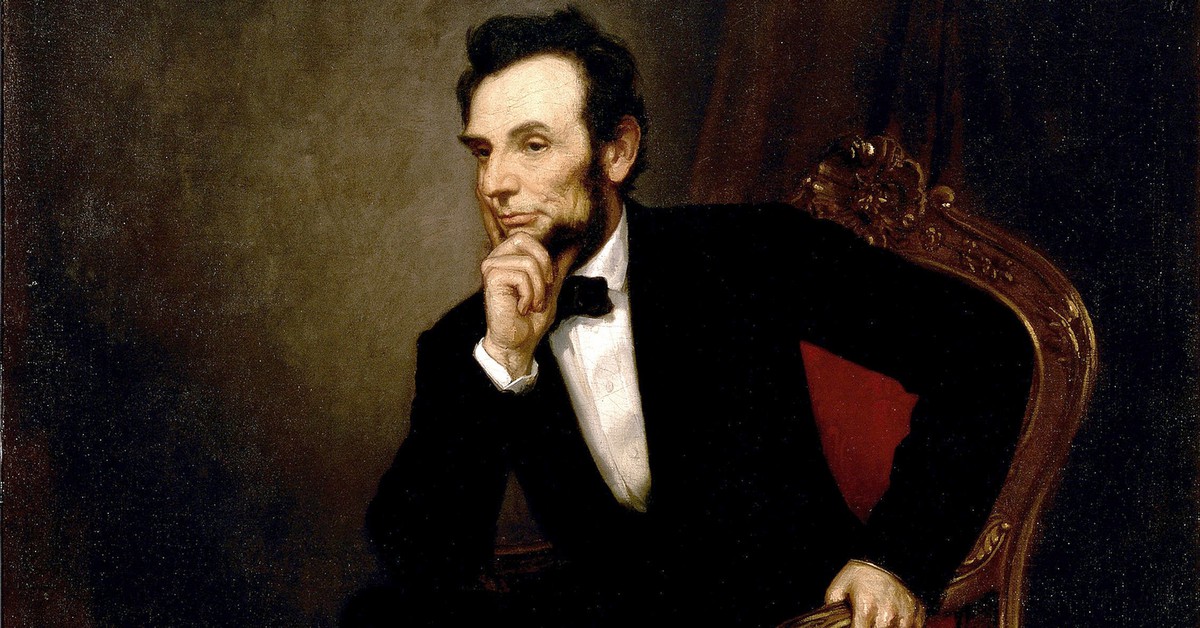
Of course, the whole thing was a forgery created by the then-managing editor of The World, David Goodman Croly, who was in charge of editing the leading pro-slavery newspaper in the North. Of course, Croly wasn’t alone in his endeavor, but he was the mastermind behind the deployment method: the pamphlet was actually the favorite format of anti-slavery writers since they were cheap and easy to produce with contemporary technology. His devious plan worked, and the format just gave more credibility to the lies.
By the time Lincoln’s administration caught wind of what was going on, every major newspaper in the nation had dubbed the Emancipation Proclamation (Lincoln’s executive order that declared all enslaved people “then, thenceforward, and forever free”) the Miscegenation Proclamation. Regardless of how that particular political fiasco ended, the rumors of Lincoln’s love towards African-Americans began to take on new shapes.
Inside the White House, Lincoln’s leadership was defined by pragmatism as much as moral conviction. He was not alone among presidents in grappling with the legacy of slavery—figures like Thomas Jefferson and Andrew Jackson left far more overtly racist legacies, while later presidents such as Calvin Coolidge and Dwight Eisenhower would face their own reckonings with civil rights and racial inclusion.
If Lincoln had secretly been a Black man, the revelation would fundamentally reshape how Americans view the presidency, the Civil War, and the very identity of the United States. But so far, historical evidence leans heavily toward him being white—what endures is the symbolic power of the idea in a country where Black people have too often been excluded from the highest seats of power.

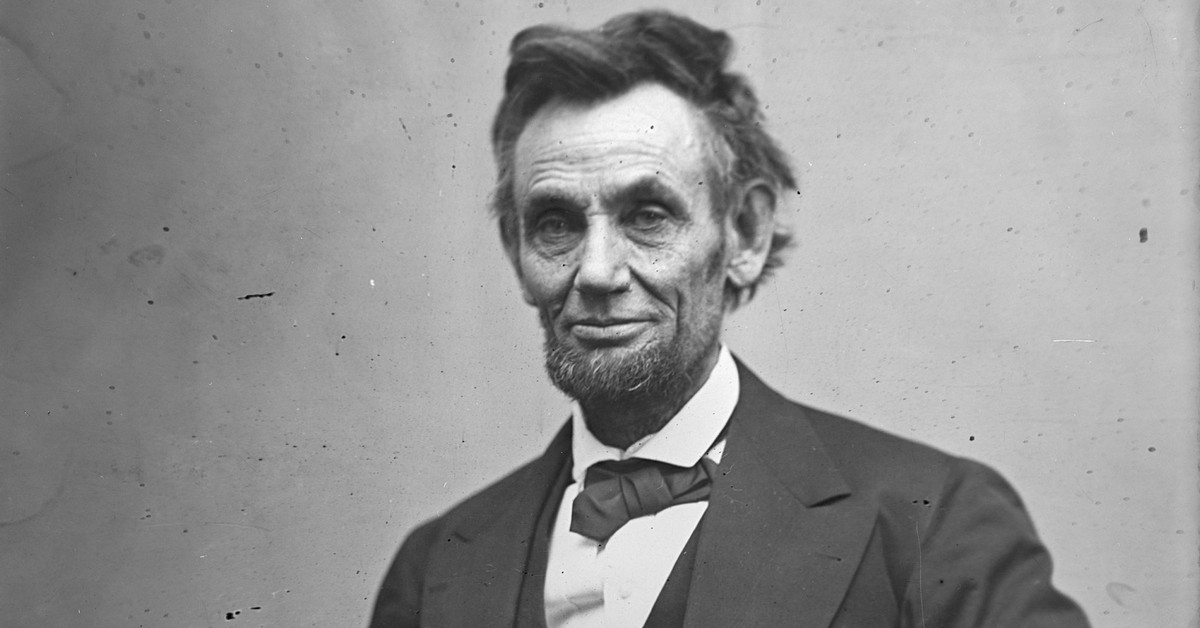
Some claimed that his mother, Nancy Hanks, was of African descent, some rumors suggested that he was part African-American due to his very dark skin, and even Lincoln described himself as a “long Black fellow” and his complexion as “dark.” However, it’s unknown whether either was meant in an ancestral sense. Whatever it may be, the rumors of Abraham Lincoln’s African-American heritage are largely considered unsubstantiated and haven’t been acknowledged by historians.
The rumors themselves, whether true or not, did contribute to a form of symbolic identification. For some African-Americans, the very notion that Lincoln might’ve had African heritage adds a layer of personal connection, given his pivotal role in abolishing slavery. However, it’s important to remember that Lincoln was very much a figure shaped by his times and places. While a good portion of the African-American community still sees him as a Great Emancipator, the facts are that he was born into a racist family in a racist region during a racist era of American history.
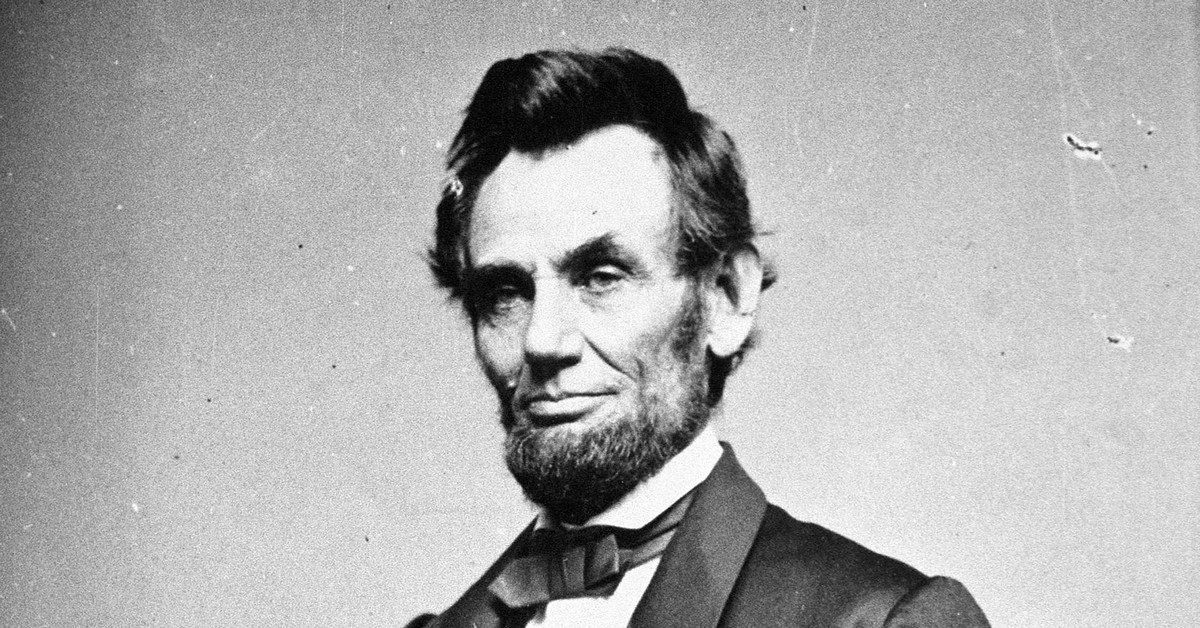
Thus, it’s safe to assume that Lincoln’s early life was undoubtedly influenced by the prevailing viewpoints and attitudes of his environment. This means that, despite his role in abolishing slavery, Lincoln still harbored views that were explicitly racist. He opposed slavery not out of his empathy for the slaves but because the practice conflicted with the free labor ideology that was the core of his political philosophy. Lincoln firmly believed in individual’s rights to the fruit of their labor, and slavery was the polar opposite of that principle.
Additionally, despite his opposition to slavery, Lincoln didn’t actually advocate for racial equality. In fact, he opposed voting rights for African Americans, interracial marriage, and social and political equality between the races. And these weren’t just his personal views but the broader sentiment of the white public, which he, as a politician, couldn’t safely disregard. Lincoln’s legacy is, thus, a study of contradictions. While he took significant action toward dismantling the institution of slavery, his views on race were still a product of the prejudices of his time.
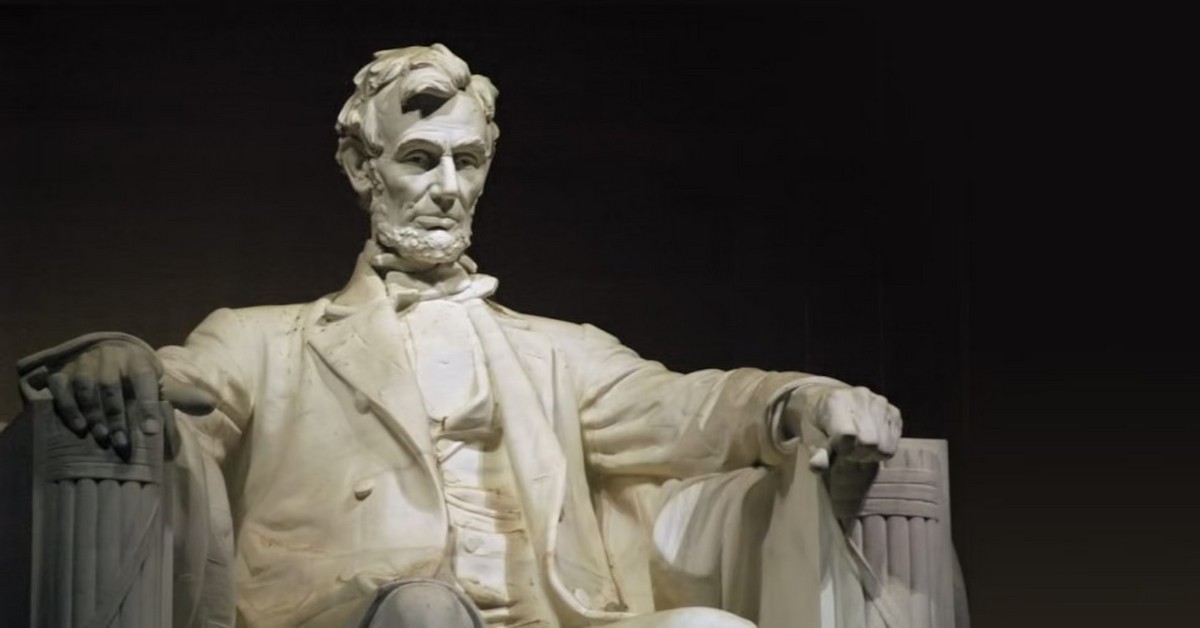
In the end, history is a fickle mistress that always paints its figures whether by race, creed, or virtue and shows them in different lighting. One thing external to her influence are the annals of politics, in which Abraham Lincoln might’ve been painted as the Great Emancipator, but he was still the white man’s President who opposed slavery on nothing else but cold economic grounds.