






Torment is a strong word, one that feels especially charged in the cruelty of our current times. Yet history reminds us that things have been both better and worse. In mid-October, Oni Press released Issue #4 of its anthology Catacomb of Torment. Among its three stories, one stands out with the resonance of an old wives’ tale. Written and illustrated by Patricia A. Jackson and Shawn Martinbrough, “These Are the Colors That Run” condenses layers of symbolism into just eight pages. Nearly every panel reflects the enduring imbalance that continues to haunt African Americans, particularly those in the South. Though the civil rights movement opened many doors, six decades later, separation and economic inequality remain all too familiar.
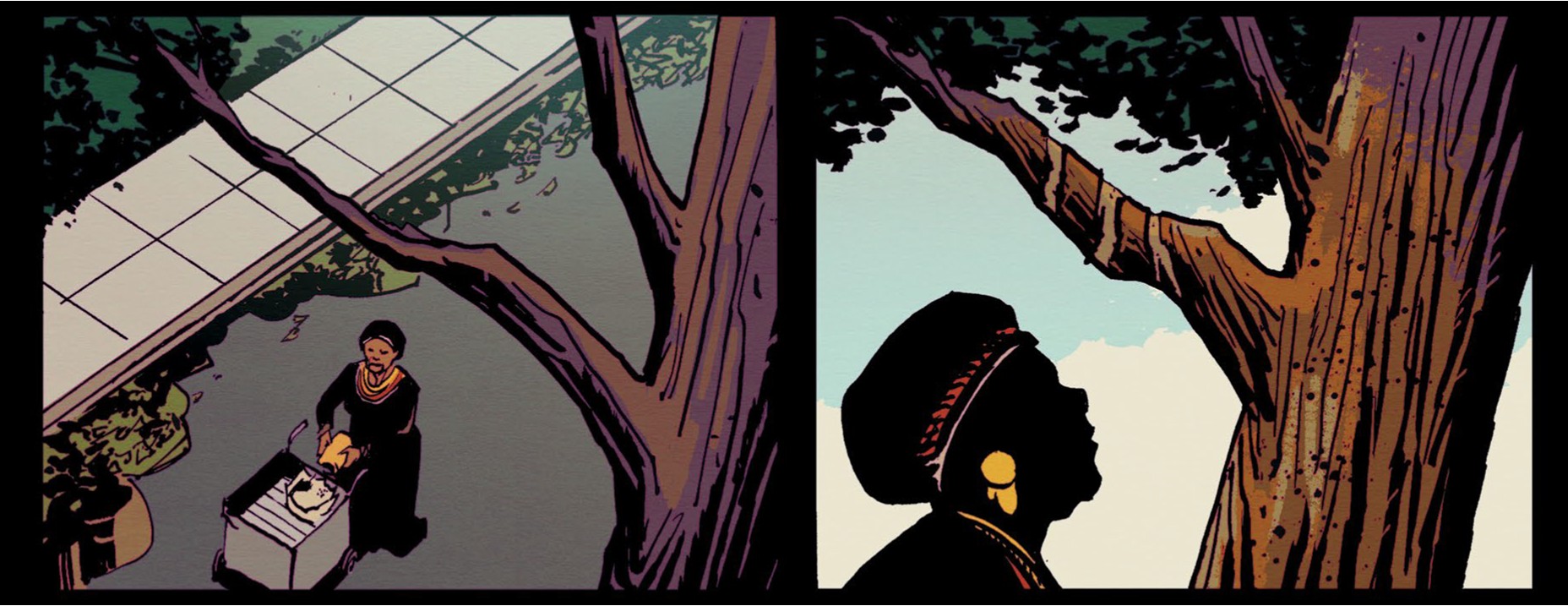
At times, it feels as if we’re still only a step or two removed from the cotton or tobacco fields. In this story, Mama Tulsa — her name itself a powerful reference — crafts a flag for the mayor’s upcoming Founder’s Day celebration, which takes place soon after her son’s lynching. There’s a saying that hell hath no fury like a woman scorned, but try a Black mother’s fury.
Mama Tulsa is a weaver, and weaving runs deep in African American history. From baskets to blankets to clothing, weaving has preserved both heritage and hardship across generations. These first historians of our culture were often imagined to possess a quiet mysticism, a thread of power running through their work. It’s an element we’ve seen resurface in other recent art, such as the video game South of Midnight.
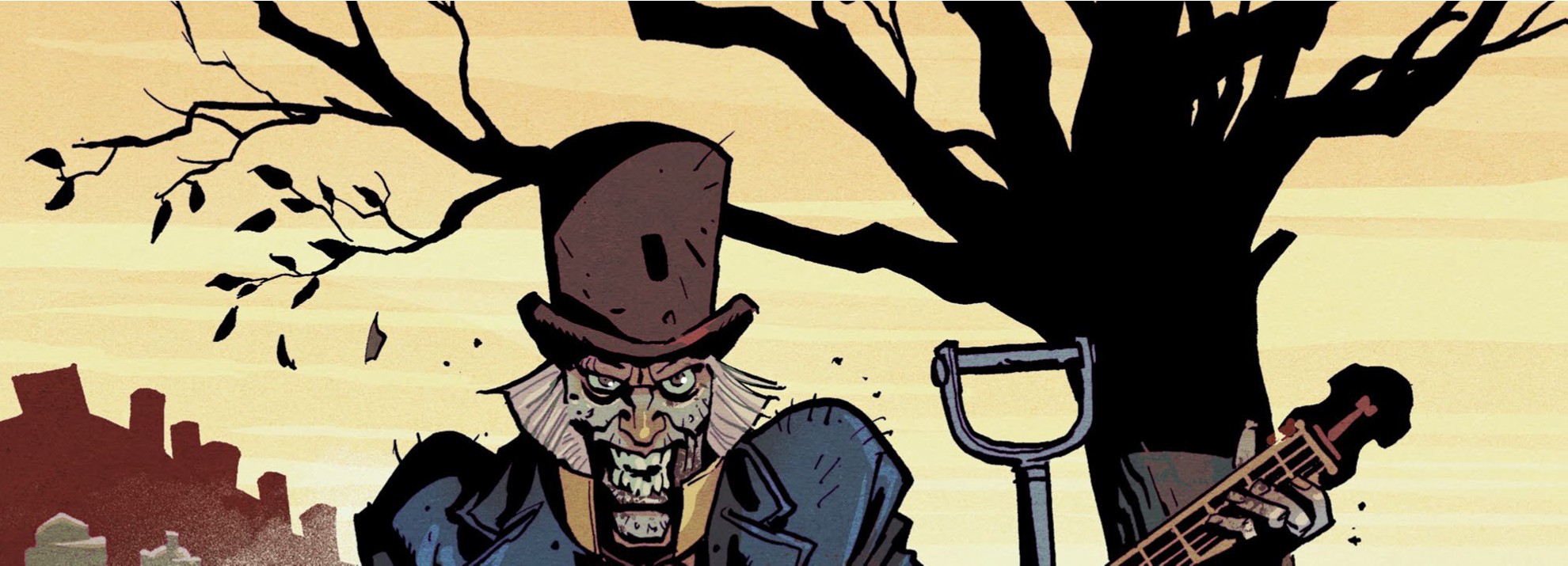
Jackson fills every frame with local color, evoking both the everyday realities of the South and the veneer of false respectability that masks injustice. The southern drawl that runs through her dialogue begins a rhythmic weave that Martinbrough’s illustrations pick up beautifully. Mama Tulsa appears as many of our grandmothers or great-grandmothers might have adorned in jewelry, long dress flowing, weaving spindles close at hand. The setting recalls a time when railroad tracks defined where one could live, and the setting sun signaled which side of town was safe to be on.
The brevity of comic storytelling is both a blessing and a curse. In just eight pages, Jackson and Martinbrough craft something powerful, but one can’t help wishing for more room to let the story and Mama Tulsa’s righteous vengeance fully unfold. The ending arrives suddenly, almost too soon, but its abruptness leaves a lingering weight.

Jackson and Martinbrough prove to be a compelling creative duo. Together, their story and art blend into a richly layered tale, anchored by Mama Tulsa’s quiet determination as she prepares her flag for its final unfurling. Here’s hoping they reunite to bring us another story woven with the same depth, texture, and truth.