






If we’ve learned nothing else lately, it’s that American politics is an old sport. Gossip quickly circulates, stories bend into myth, and political figures become mirrors onto which the nation projects its fears and aspirations. Among persistent rumors is a recurring claim: certain white presidents are rumored to have Black ancestry. Thomas Jefferson, Abraham Lincoln, Warren Harding, Andrew Jackson, Calvin Coolidge, to name a few. This list reappears but surprisingly never expands. It is the same small gathering of names again and again.
The persistence of these claims reveals less about the genealogical truth of these leaders and more about this country’s unresolved relationship with race. Whether or not the rumors are factual is almost beside the point. The larger picture is they expose the symbolic weight of Blackness in the national narrative, including how it has been used as both weapon and lineage, threat and inheritance.
The presidents at the center of these rumors share some common traits. They are overwhelmingly presidents or national leaders whose actions were deeply entangled with questions of race, citizenship, and American identity. Their presidencies marked moments of cultural tension and social transformation.
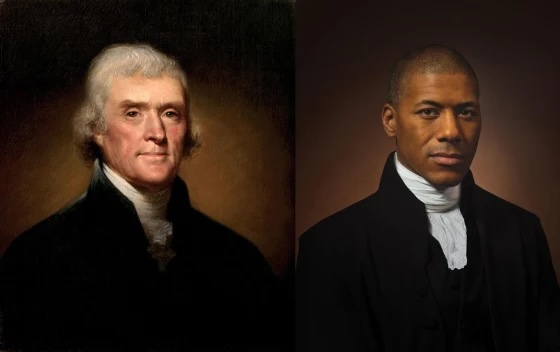
Thomas Jefferson’s life remains defined by contradiction: author of the Declaration of Independence, enslaver of over 600 people, almost certainly the father of Black children he refused to free. Historical research and DNA analysis have established that Thomas Jefferson fathered children with Sally Hemings, an enslaved woman in his household. Sally Hemings had six children fathered by Jefferson, and their descendants form a Black family line of his descendants. There are numerous descendants such as news anchor Shannon LaNier.
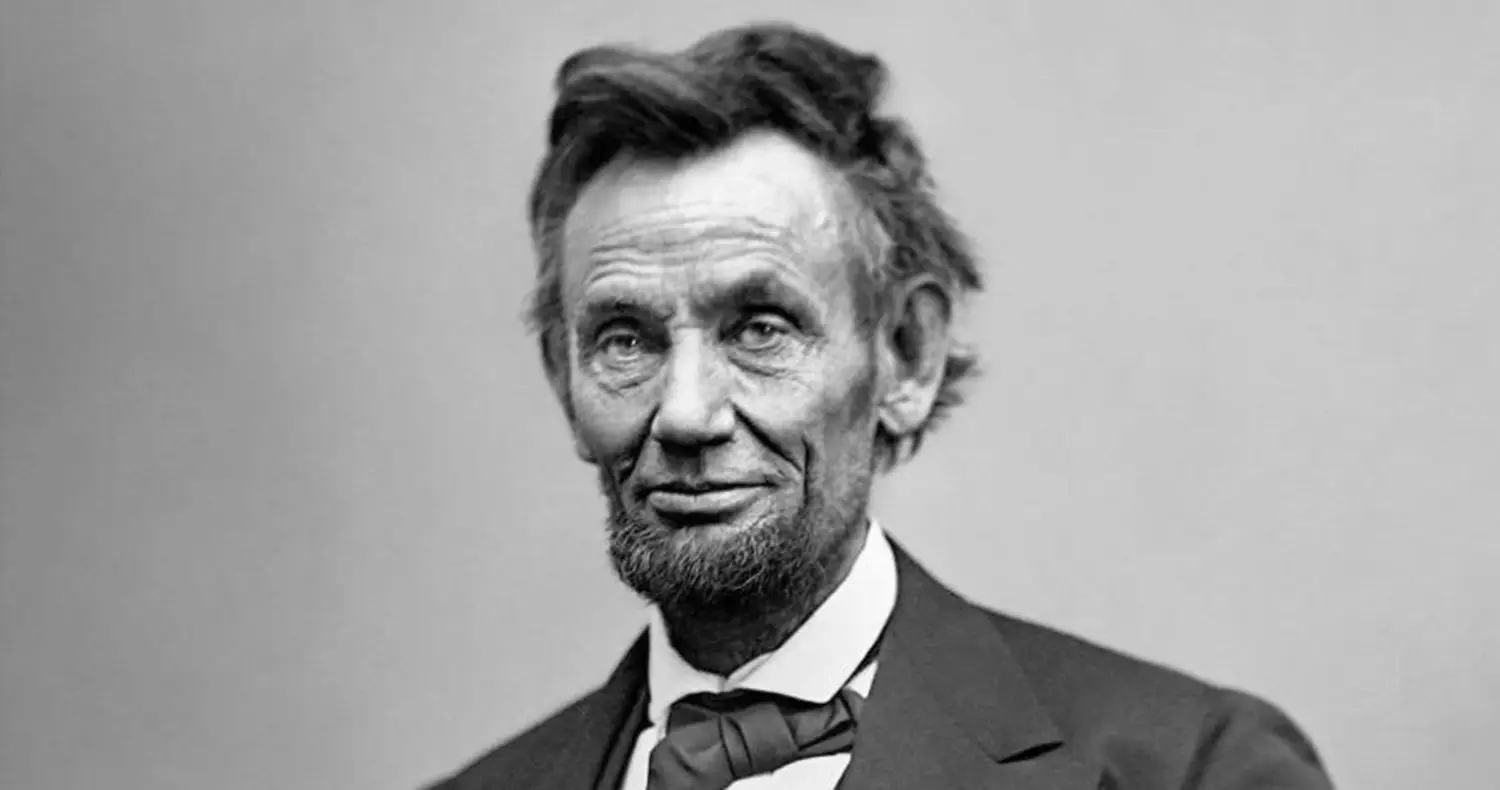
Similarly, rumors about Abraham Lincoln’s ancestry attach themselves to his role in ending slavery. Also, about his own lineage. While we know that Lincoln worked alongside abolitionists, understand that he didn’t consider himself one. His ending slavery was a political move. It was his platform for election.
Warren Harding faced public claims of Black ancestry during his 1920 presidential campaign. The charge was meant to be a political smear which is proof of the enduring racism that Blackness was seen as disqualifying.
The hard truth is that perceived proximity to Blackness is tricky when applied to leaders who either shaped racial policy, or were shaped by it. This country continues to grapple with the boundaries of who gets to be an American. Black ancestry functions as a floating symbol. For white supremacist ideology, it has historically been treated as a stain and a mark of impurity.
For a president to have Black ancestry is to rewrite the narrative from within. It suggests not only that Black people have always been here, but that they have always been at the center. So, all these rumors function on multiple levels: As political weapon; As cultural fantasy; As historical redress; As a challenge to national memory.
It is storytelling that wrestles with the truth we know: Black blood is in the soil, in the culture, and in the body politic of this country. These rumors cannot be separated from the racial logic that has defined American life. The one-drop rule – placing anyone with even a trace of Black ancestry into the category of “Black” – was both a tool of control and erasure. It created this fearful fascination with genealogical purity that still lingers to this day.
These rumors also signal a cultural awareness that whiteness, particularly political whiteness, has always depended on strict policing of lineage. To suggest that a president had Black ancestry is to puncture an illusion of that boundary.
From the earliest days of colonization, white and Black lives were together: forced and consensual. Enslavers fathered children with enslaved women; communities blended under the cover of silence; lineages were forgotten, or strategically reinvented. The politicians in these rumors often came from regions and families deeply bound to these histories. The rumors persist because they ring psychologically true, whether or not they are accurate.
I suppose the question we should ask is: “Why do so many Americans keep returning to this conversation?”

Maybe it is a desire to claim power by claiming ancestry, or another sloppy attempt to soften the brutality of history. Maybe it is a way to question hypocrisy: How could presidents who harmed Black people have badly treated their own blood? Or maybe it is simply a reminder that history is never as clean as textbooks try to twist.
Whatever the reason, the rumors insist that Blackness remains central to the American story. We know this. The nation, no matter how it tries, cannot distance itself from the people who built it.
I believe these rumors endure not because they reveal something definitive about the presidents themselves, but because they reveal something definitive about us. They shine a bright light on this country’s shame and denial. They reflect our ongoing struggle to reconcile myth with truth.
America is slow-coming with telling the full story. Perhaps, these recurring rumors provide us with the same reminder every time:
Black ancestry is not a secret; it is a foundation. It has always been here. This country keeps circling back because, deep down, it knows this story belongs to all of us.